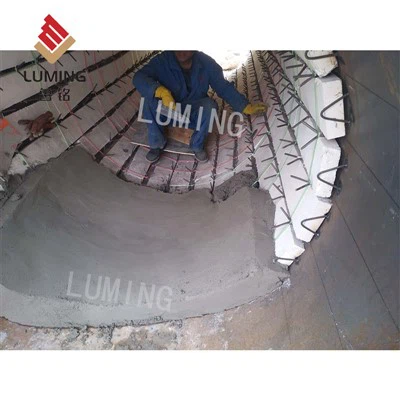
The origin of magnesium bricks is an interesting chapter in the history of refractory materials. Magnesium bricks, known for their high refractoriness and excellent resistance to basic slag, have played a crucial role in various high - temperature industrial processes. As a magnesium brick supplier, understanding their invention and development is not only a matter of historical interest but also essential for providing better products and services to our customers.
Early Development of Refractory Materials
Before delving into the invention of magnesium bricks, it is necessary to understand the broader context of refractory material development. In the early days of the industrial revolution, industries such as steelmaking, glassmaking, and cement production faced a significant challenge: finding materials that could withstand extremely high temperatures. The early refractory materials were mainly made from natural clay, which had limited refractoriness and durability under harsh industrial conditions.
As industries grew and the demand for higher - temperature processes increased, scientists and engineers began to explore new materials. Magnesia (magnesium oxide, MgO) was one of the substances that showed great potential due to its high melting point (around 2800°C). Magnesia occurs naturally in the form of magnesite (MgCO₃) and brucite (Mg(OH)₂). The discovery of the properties of magnesia led to the initial attempts to use it in refractory applications.
The Invention of Magnesium Bricks
The exact inventor of magnesium bricks is difficult to pinpoint with absolute certainty, as the development was a gradual process involving multiple researchers and industrialists over time. However, it is widely recognized that the development of magnesium bricks was closely related to the growth of the steel industry in the late 19th century.
In the 1880s, the Bessemer and open - hearth steelmaking processes were becoming more widespread. These processes required refractory linings that could withstand the high - temperature and corrosive conditions inside the furnaces. Scientists and engineers started to experiment with magnesia - based materials. One of the key steps was the development of methods to produce dense and strong magnesia bricks.
The first attempts at making magnesium bricks involved simply calcining magnesite to convert it into magnesia and then shaping it into bricks. However, these early bricks had some limitations, such as poor mechanical strength and a tendency to crack under thermal stress. Over time, improvements were made in the manufacturing process. For example, the addition of small amounts of other substances, such as iron oxide and silica, was found to improve the sintering properties of magnesia and enhance the strength of the bricks.
Different Types of Magnesium Bricks
Today, there are several types of magnesium bricks available in the market, each with its own unique properties and applications.
- Fused Magnesia Brick: Fused magnesia bricks are made from fused magnesia, which is produced by melting high - purity magnesite in an electric arc furnace. The high - temperature melting process results in a dense and highly crystalline structure, giving these bricks excellent refractoriness and resistance to corrosion. They are commonly used in the most demanding high - temperature applications, such as the lining of steel converters and electric arc furnaces. You can learn more about Fused Magnesia Brick.
- Sintered Magnesia Brick: Sintered magnesia bricks are produced by sintering magnesite at high temperatures. This process is less energy - intensive than the fusion process. Sintered magnesia bricks have good mechanical strength and chemical stability. They are widely used in various industrial furnaces, including glass furnaces and cement kilns. For more information on Sintered Magnesia Brick.
- Magnesia - alumina Bricks: Magnesia - alumina bricks are a combination of magnesia and alumina. The addition of alumina improves the thermal shock resistance and slag resistance of the bricks. These bricks are often used in areas where there is a need for both high - temperature resistance and good thermal shock performance, such as in the ladles of steelmaking plants. Check out Magnesia - alumina Bricks for more details.
The Role of Magnesium Bricks in Modern Industry
In modern industry, magnesium bricks continue to be an indispensable refractory material. In the steel industry, they are used to line basic oxygen furnaces, electric arc furnaces, and ladles. The high refractoriness and resistance to basic slag of magnesium bricks ensure the efficient operation of these furnaces and extend their service life.
In the cement industry, magnesium bricks are used in the burning zone of cement kilns. The high - temperature and corrosive environment in the kiln requires a refractory lining that can withstand the chemical attack of the cement raw materials and the high - temperature gases. Magnesium bricks provide the necessary protection and stability.
In the glass industry, magnesium bricks are used in the melting tanks of glass furnaces. The ability of magnesium bricks to resist the corrosive action of molten glass and the high - temperature environment is crucial for the production of high - quality glass products.


Our Position as a Magnesium Brick Supplier
As a magnesium brick supplier, we are committed to providing high - quality products to our customers. We understand the importance of magnesium bricks in various industrial processes and strive to meet the diverse needs of our clients. Our production process is based on the latest technological advancements, ensuring that our bricks have excellent performance in terms of refractoriness, mechanical strength, and chemical resistance.
We offer a wide range of magnesium bricks, including fused magnesia bricks, sintered magnesia bricks, and magnesia - alumina bricks. Our team of experts can provide professional advice on the selection of the most suitable bricks for different applications. Whether you are in the steel, cement, or glass industry, we can offer you the right solution to meet your refractory needs.
If you are interested in our magnesium bricks or have any questions about their application, we encourage you to contact us for a procurement discussion. We are eager to work with you to ensure the success of your industrial operations.
References
- "Refractories Handbook" by J. F. Elliot and M. Gleiser.
- "High - Temperature Materials and Technology" edited by A. K. Mukherjee.
- "The History of Steelmaking and Refractory Materials" by various authors in the Journal of Industrial History.