


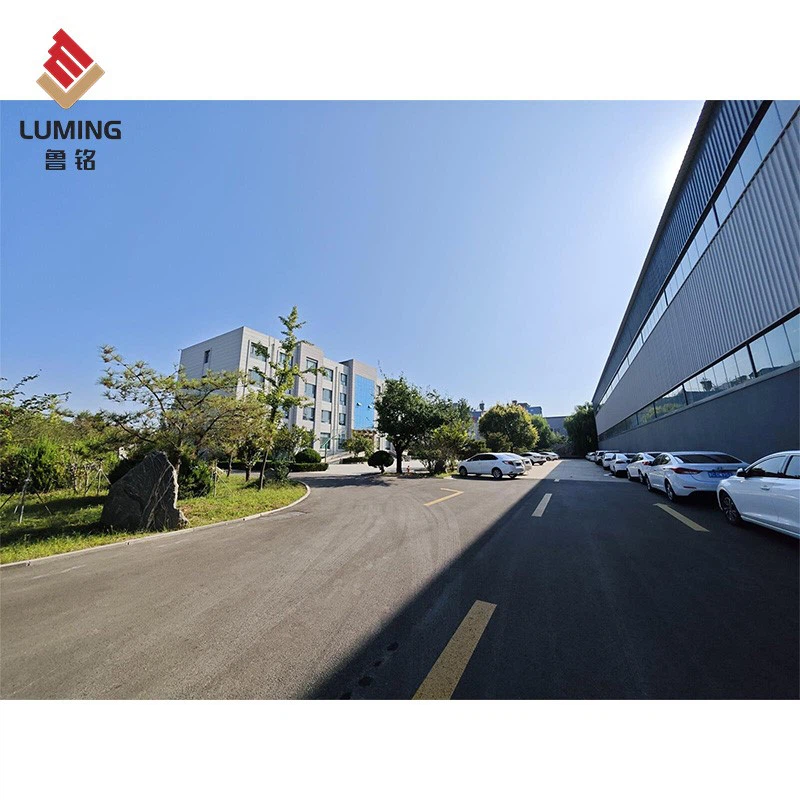
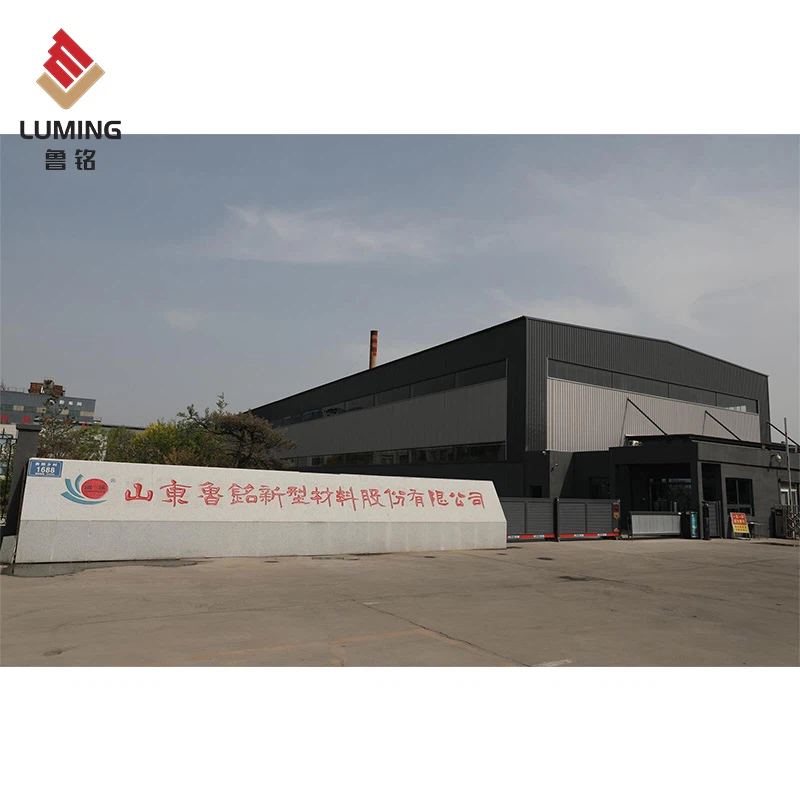
Shandong Luming New Materials Technology Co., Ltd. is one of the leading manufacturers and suppliers of magnesia-alumina bricks in China. We have world-leading production equipment and strong manufacturing capabilities. Please feel free to buy premium magnesia-alumina bricks at competitive price from our factory.
Magnesia alumina bricks are high-performance, widely used refractory materials that combine the advantages of magnesia and alumina, excelling in slag erosion resistance and thermal shock stability.The main chemical components of magnesia-alumina bricks include magnesium oxide (usually 60-85%) and aluminum oxide (usually 10-30%), along with small amounts of impurities such as silicon dioxide and iron oxide. The mineral composition consists primarily of periclase (MgO), spinel (MgAl₂O₄), and corundum (Al₂O₃). At high temperatures, magnesium oxide and aluminum oxide form magnesium aluminate spinel, which is a key phase affecting their performance.
Manufacturing Process of Magnesia-alumina Bricks
Raw Material Selection:
1).Magnesite: High-purity fused or sintered magnesite, typically with MgO content ≥95%.
2).Bauxite: High-quality bauxite with Al₂O₃ content ≥70%.
3).Additives: Binders (e.g., clay or chemical binders) and minor additives to enhance sintering.
Batching: Precisely proportion magnesite, bauxite, and additives.
Mixing: Add binders and appropriate water, mix uniformly in a mixer.
Forming: Press into green bricks using hydraulic presses.
Drying: Remove moisture from green bricks to prevent cracking during firing.
Firing: Fire in high-temperature tunnel at 1500-1700°C, allowing MgO and Al₂O₃ to react and form spinel.
Inspection and Packaging: Test dimensions, strength, and refractoriness, then package qualified products.
Technical Data of Magnesium Alumina Bricks
|
Performance Index |
Unit |
MA-80 |
MA-75 |
MA-70 |
MA-65 |
Sintered Magnesia- Alumina Spinel Bricks |
|
Chemical Composition |
||||||
|
MgO |
% |
≥80 |
≥75 |
≥70 |
≥65 |
70−85 |
|
Al₂O₃ |
% |
≥15 |
≥20 |
≥25 |
≥30 |
15−30 |
|
SiO₂ |
% |
≤2 |
≤2.5 |
≤3.0 |
≤3.5 |
≤1.5 |
|
Physical Properties |
||||||
|
Bulk Density |
g/cm³ |
≥2.9 |
≥2.85 |
≥2.80 |
≥2.75 |
≥2.95 |
|
Apparent Porosity |
% |
≤18 |
≤19 |
≤20 |
≤21 |
≤16 |
|
Cold Crushing Strength |
MPa |
≥45 |
≥40 |
≥35 |
≥30 |
≥60 |
|
High-Temperature Properties |
||||||
|
Refractoriness Under Load (0.2 MPa) |
°C |
≥1650 |
≥1620 |
≥1600 |
≥1580 |
≥1700 |
|
Reheating Linear Change (1500°C×3h) |
% |
±0.5 |
±0.6 |
±0.7 |
±0.8 |
±0.3 |
|
Thermal Shock Resistance (1100°C water quench) |
times |
≥5 |
≥6 |
≥8 |
≥10 |
≥8 |


Performance Characteristics
Magnesia-alumina refractory bricks are widely used due to their excellent performance characteristics:
Excellent Refractoriness
Magnesia-alumina fire bricks generally have high refractoriness, exceeding 1800°C, allowing them to withstand high-temperature conditions.
High Strength at Room and High Temperatures
Magnesium alumina refractory bricks maintain high mechanical strength at both room and high temperatures, making them less prone to breakage. Their Load softening temperature exceeds 1550°C.
Excellent Corrosion Resistance
Due to the formation of magnesium aluminate spinel, the bricks possess good slag resistance, particularly strong resistance to basic slag corrosion.
Excellent Thermal Shock Stability
Especially some magnesium alumina fire bricks containing magnesia-alumina spinel, their thermal shock resistance is significantly better than pure magnesia bricks, allowing them to adapt better to temperature fluctuations in kilns.
Good Volume Stability
During high-temperature use, their volume change is minimal, reducing the likelihood of cracking and spalling.
Lower Thermal Conductivity
Contributes to heat retention in furnaces, reducing energy consumption.
Main Application Areas
Due to their unique properties, magnesia alumina brick is widely used in the following industrial fields:
1.Steel Industry:
1).Linings for converters, oxygen-blowing furnaces, electric arc furnaces,refining furnaces,ladles and Tundishes.
2).Permanent or working layers in steel and iron ladles.
3).Electric Furnace Roofs and Walls
4).furnace bottoms
2.Non-Ferrous Metals Industry:Copper, Lead, Zinc,nickel and aluminum Smelting Furnaces: Used in furnace walls, bottoms, Linings and other parts to resist molten slag corrosion.
3.Cement Industry:Cement Rotary Kiln Transition and burning zones: To resist corrosion from clinker and alkaline vapors, with magnesia-alumina spinel bricks performing exceptionally well.
4.Glass Industry: Glass Melting Furnace Regenerators: To withstand corrosion from high-temperature gases and volatile substances.
5.Chemical/power sectors: Linings for high-temperature reactors and incinerators.
6.Waste incinerators, carbon black reaction furnaces, lime kilns, etc.
Packaging and Shipping of Magnesia Alumina Bricks
1.Packed on wooden pallets with moisture-proof film to prevent damage.
2.Packed on wooden box.
3.Keep in dry, ventilated areas.
Our Company


FAQ
Hot Tags: magnesia-alumina bricks, China magnesia-alumina bricks manufacturers, suppliers, factory, Magnesia-chrome Bricks, Magnesia-carbon Bricks, Magnesia-alumina Bricks, Sintered Magnesia Brick, magnesium brick, Fused Magnesia Brick


