


Fused Magnesia Brick is a high-performance refractory material primarily made from fused magnesia, produced through high-temperature melting in an electric arc furnace. It exhibits excellent high-temperature resistance, corrosion resistance, and chemical stability.So It play a crucial role in high-temperature industries like metallurgy, construction materials, and chemicals.
Manufacturing Process of Fused Magnesia Bricks
The production process of magnesium fire brick includes the following steps:
Raw Material Preparation: High-purity fused magnesia grain is selected as the main aggregate. Other additives, such as fused mag-chrome grain, high-purity magnesia, chrome ore, or spinel, may be added as needed.
Batching and Mixing: All raw materials are mixed according to precise proportions. Binders (like sulfite liquor waste liquid) are often added to improve the formability of the bricks.
Forming: The mixed material is pressed into dense brick shapes using hydraulic presses.
Drying: The formed bricks are dried to remove moisture and prevent cracking during sintering.
Sintering or Rebonding: The molded bricks undergo high-temperature sintering or rebonding to enhance strength and stability.
Some fused magnesia bricks use direct-bonded or semi-rebonded processes to minimize binder use and improve refractory performance.
Post-treatment: Some fused magnesia bricks may require further treatments like impregnation (e.g., salt impregnation) to enhance their properties.
Inspection and Packaging: Finished bricks are tested for physical and chemical properties (e.g., refractoriness, apparent porosity, compressive strength) and packaged for delivery upon passing inspection.
Technical Data of Mg Bricks
|
Item |
Standard Fused Magnesia Brick |
High-Purity Fused Magnesia Brick |
|
MgO,% |
≥95 |
≥ 97 |
|
SiO2,% |
≤1.5 |
≤ 0.6 |
|
CaO,% |
≤1.8 |
≤ 1.5 |
|
Fe2O3,% |
≤ 0.8 |
≤ 0.5 |
|
Al2O3,% |
≤0.7 |
≤ 0.3 |
|
Bulk Density,g/cm³ |
≥3 |
≥3.2 |
|
Apparent Porosity,% |
≤15 |
≤ 12 |
|
Cold Crushing Strength (CCS), MPa |
≥ 50 |
≥ 60 |
|
Refractoriness,°C |
≥ 2000 |
≥ 2100 |
|
Refractoriness Under Load (RUL),°C |
≥ 1650 |
≥ 1700 |
|
Thermal Shock Resistance(1100℃ water quenching) ,cycles |
3-5 |
2-4 |
|
Thermal Expansion Coefficient (20~1500℃),(×10⁻⁶/℃) |
13.5-14.5 |
13-14 |
|
Thermal Conductivity(1000℃), (W/m·K) |
5-6 |
5.5-6.5 |


Performance Characteristics of Fused Magnesium Brick
Due to its unique production process and raw material properties, fused Magnesium bricks exhibits the following notable characteristics:
High Purity
Made from fused magnesia grain, they have high purity and low impurity content.
High Refractoriness
Magnesium oxide (MgO) has a melting point of 2800°C, and fused magnesia bricks typically withstand temperatures above 2000°C, making them suitable for extreme high-temperature environments.
Excellent Slag Corrosion Resistance
Highly resistant to alkaline slag, iron oxides, and high-calcium solvents, particularly in strong alkaline or oxidizing atmospheres with long service life.
High Density and Low Porosity
Apparent porosity typically <15%, density ≥3.0 g/cm³, with good penetration resistance and wear resistance.
Dense Structure and Large Crystals
The electric melting process allows magnesia crystals to fully develop, forming a dense structure that enhances the material's strength and corrosion resistance.
Good Thermal Shock Resistance
Compared to sintered magnesia bricks, fused magnesia bricks have a more uniform crystal structure, providing better resistance to thermal shock in environments with rapid temperature changes.
High Strength
They have high compressive and flexural strength at both room and high temperatures.
Excellent High-Temperature Electrical Insulation
Fused magnesia itself is a high-quality electrical insulator at elevated temperatures, suitable for specific electrical equipment applications.
Excellent Thermal Conductivity
Beneficial for heat transfer; high chemical purity that does not contaminate smelting products.
Application Areas of Fused Magnesia Refractory Bricks
Due to their superior properties, fused magnesia fire bricks are extensively used in the following high-temperature industrial sectors:
Steel Industry: Used in steelmaking furnace linings (such as converters, electric furnaces, ladle slag lines,permanent ladle linings,tundish working layers,nozzles, slide gates), Secondary refining units (such as LF furnaces, VOD furnaces),ferroalloy furnaces, and mixed iron furnaces, resisting high temperatures and aggressive slag.
Non-Ferrous Metal Smelting: Used as furnace lining materials in copper, nickel, and other non-ferrous metal smelting furnaces to resist corrosion from molten metals and slag.Applied in flash furnaces, converters, anode furnaces, and Kaldo furnaces, particularly in slag lines, hot spots, and erosion zones.
Cement Industry: Used in the burning zone of cement rotary kilns, withstanding high temperatures of 1450-1500°C and alkaline environments.
High-temperature zones of lime kilns.
Glass Industry: Used in critical parts of glass melting furnaces, such as regenerator checker bricks and doghouse crowns.
Chemical Industry: Linings for calcium carbide and silicon carbide reaction furnaces.
Refractory Materials Industry: Employed in tunnel kilns and high-temperature calcination kilns for refractory material production.
Packaging and Shipping of Fused Magnesia Brick
1.Packed on wooden pallets with moisture-proof film to prevent damage.
2.Packed on wooden box.
3.Keep in dry, ventilated areas.
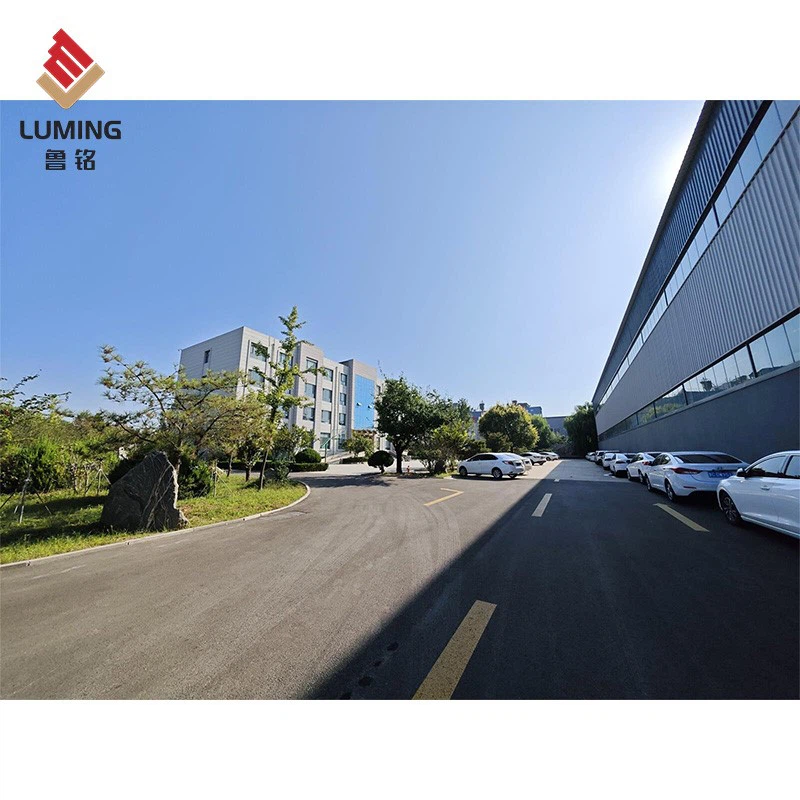
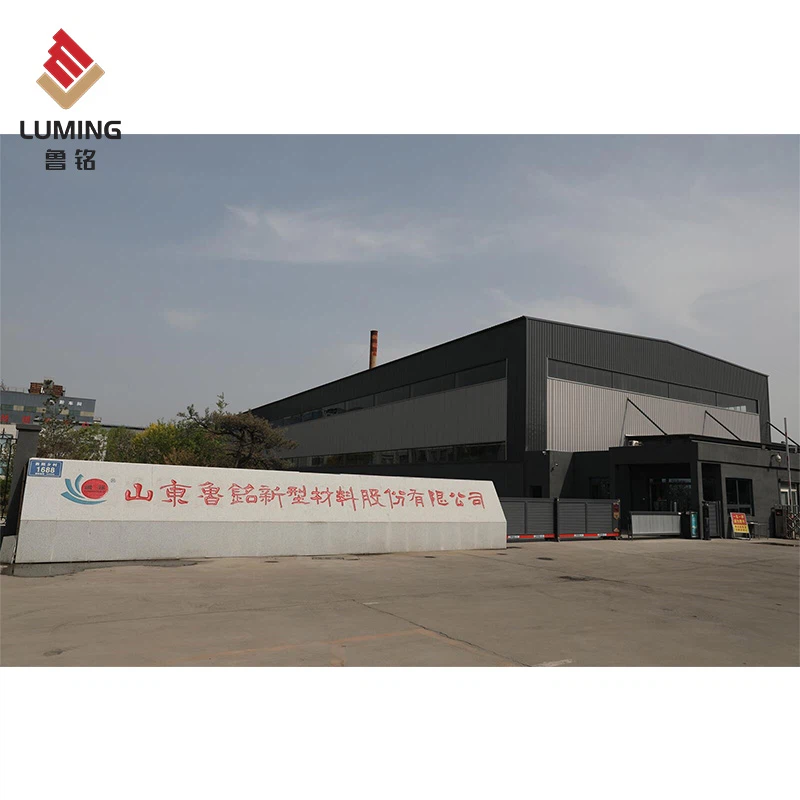
Our Company


FAQ
Hot Tags: fused magnesia brick, China fused magnesia brick manufacturers, suppliers, factory, Magnesia-chrome Bricks, Magnesia-carbon Bricks, Magnesia-alumina Bricks, Sintered Magnesia Brick, magnesium brick, Fused Magnesia Brick


