Yo! I'm a supplier of regenerative burner systems, and today I'm gonna spill the beans on what makes up these amazing setups. Regenerative burner systems are super important in a bunch of industries, like metal processing and glass manufacturing. They're all about saving energy and getting top - notch combustion efficiency. So, let's dig into the key components one by one.
Burners
The burners are the heart of any regenerative burner system. They're responsible for mixing fuel and air in the right proportions and then igniting the mixture to create a stable flame. There are different types of burners out there, like gas burners and oil burners. Gas burners are pretty popular 'cause they're clean - burning and easy to control.
When choosing a burner for a regenerative system, you gotta think about things like the heat output you need, the type of fuel you're gonna use, and the combustion efficiency. A good burner can make a huge difference in how well the whole system works. It should be able to handle high - temperature environments and provide a consistent flame.
Regenerators
Regenerators are another crucial part. Their main job is to recover heat from the exhaust gases and use it to preheat the incoming combustion air. This is a game - changer when it comes to energy efficiency. There are two main types of regenerators: ceramic regenerators and metallic regenerators.
Ceramic regenerators are great 'cause they can withstand really high temperatures. They're made up of a bunch of ceramic materials that have a high heat - storage capacity. As the hot exhaust gases pass through the ceramic matrix, they transfer their heat to the ceramic material. Then, when the combustion air flows through the same regenerator, it picks up that stored heat.
Metallic regenerators, on the other hand, are more compact and have a faster heat - transfer rate. They're usually made of metals like stainless steel. But they might not be able to handle the super - high temperatures that ceramic regenerators can.
Valves
Valves play a vital role in a regenerative burner system. They control the flow of fuel, air, and exhaust gases. There are different types of valves used, such as butterfly valves, ball valves, and poppet valves.


The valves need to be really reliable and fast - acting. They have to switch the flow of gases between the burners and the regenerators at the right time. For example, when one burner is in the combustion phase, the valves direct the incoming air and fuel to that burner, while at the same time, they allow the exhaust gases to flow through the other regenerator to release its heat.
Refractory Materials
Refractory materials are used to line the inside of the combustion chamber and the regenerators. These materials need to be able to withstand extremely high temperatures, thermal shock, and chemical corrosion.
Common refractory materials include firebricks, refractory castables, and insulating materials. Firebricks are solid blocks that can provide good structural support. They come in different shapes and sizes, and some even have special features to improve heat transfer.
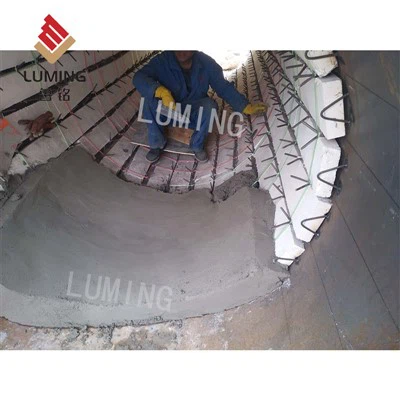
Refractory castables are like a type of concrete that can be poured into place. They're great for lining complex shapes and can be customized to meet specific requirements. Insulating materials, on the other hand, are used to reduce heat loss from the system. They help keep the heat inside where it's needed, making the system more energy - efficient.
Nozzle Bricks
Nozzle bricks are an important component in a regenerative burner system. These bricks are designed to shape and direct the flow of fuel and air into the combustion chamber. There are different types of nozzle bricks available, such as the Spray Nozzle Brick.
The spray nozzle brick is engineered to create a fine spray of fuel, which helps in better mixing with the air and more efficient combustion. It can improve the flame shape and stability, leading to better overall performance of the burner system.
Baffle Bricks
Baffle bricks are used to control the flow of gases within the regenerator and the combustion chamber. They create a tortuous path for the gases, which helps in increasing the contact time between the hot exhaust gases and the regenerator material and also improves the mixing of fuel and air.
The Baffle Brick is designed to withstand high temperatures and mechanical stress. It's strategically placed to optimize the heat - transfer process and ensure that the gases are properly distributed throughout the system.
Center - hole Bricks
Center - hole bricks are often used in the burner assembly. These bricks have a central hole that allows for the passage of fuel or air. The Center - hole Brick is designed to provide a stable and controlled flow of the gases, which is essential for efficient combustion.
It helps in maintaining the proper alignment of the burner components and ensures that the fuel and air are delivered to the right place at the right time.
Control System
Last but not least, the control system is what ties everything together. It monitors and regulates the operation of the regenerative burner system. The control system can adjust the fuel - air ratio, the valve timing, and the burner firing rate based on the process requirements.
Modern control systems use advanced sensors and actuators to provide precise control. They can also be integrated with other industrial control systems, allowing for remote monitoring and operation. This means that operators can keep an eye on the system's performance from anywhere and make adjustments as needed.
If you're in the market for a regenerative burner system or need to upgrade your existing one, I'm here to help. I've got a wide range of high - quality components and can provide you with a customized solution that meets your specific needs. Whether you're in the metal industry, glass industry, or any other sector that requires efficient combustion, I can offer the best products and support. So, don't hesitate to reach out for a chat about your procurement needs. Let's work together to get you the perfect regenerative burner system!
References
- Perry, R. H., & Green, D. W. (Eds.). (1997). Perry's Chemical Engineers' Handbook. McGraw - Hill.
- Boyer, H. E., & Gall, T. L. (Eds.). (1991). Metals Handbook Desk Edition. ASM International.