Hey there! As a supplier of refractory mortar, I've seen firsthand how crucial it is to use this stuff properly, especially when it comes to joints. In this blog, I'm gonna share some tips on how to use refractory mortar in a joint, and also give you a heads - up about the different types of refractory mortar we offer.
Why Use Refractory Mortar in Joints?
First off, let's talk about why refractory mortar is so important for joints. Refractory mortar is designed to withstand high temperatures, which is super important in industrial settings like furnaces, kilns, and fireplaces. When you're building or repairing these high - heat structures, the joints are often the weak points. Regular mortar just won't cut it because it'll crack and break down under extreme heat. Refractory mortar, on the other hand, can hold up, keeping your structure safe and functional.
Preparing for the Job
Before you start using refractory mortar in a joint, you need to do some prep work. Check the joint area thoroughly. It should be clean, dry, and free of any debris or old mortar. If there's any loose stuff in the joint, use a wire brush or a scraper to get rid of it. This ensures that the new refractory mortar will bond properly.


Also, make sure you have all the tools you need. You'll typically need a trowel, a bucket for mixing the mortar, and a jointing tool. And don't forget safety gear like gloves and goggles. High - heat work can be dangerous, so better be safe than sorry.
Mixing the Refractory Mortar
Now, let's get to mixing the mortar. The mixing process is crucial because if it's not done right, the mortar won't perform as expected. Different types of refractory mortar may have different mixing requirements, so always follow the manufacturer's instructions.
Most of the time, you'll start by adding the dry refractory mortar to a clean bucket. Then, slowly add water while stirring continuously. Use a trowel or a mixing paddle to get a smooth, consistent mixture. The consistency should be like thick peanut butter. It should be easy to spread but not too runny. If it's too dry, it won't bond well; if it's too wet, it might drip out of the joint.
Applying the Refractory Mortar to the Joint
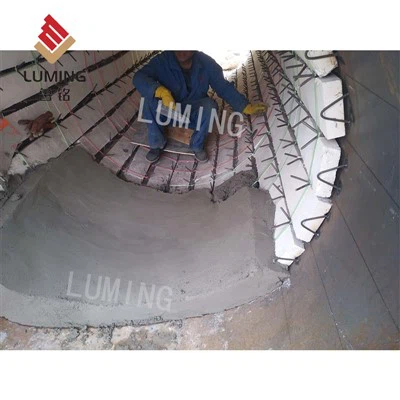
Once the mortar is mixed, it's time to apply it to the joint. Take your trowel and scoop up some mortar. Then, spread it evenly along the joint. Make sure to fill the joint completely, pressing the mortar firmly into it. You can use a jointing tool to smooth out the surface of the mortar and give it a nice finish.
When applying the mortar, work in small sections. This way, you can ensure that the mortar doesn't dry out before you finish the joint. And be careful not to get any mortar on the surrounding surfaces. If you do, clean it up right away with a damp cloth.
Different Types of Refractory Mortar for Joints
We offer several types of refractory mortar that are great for joints. One popular option is Mullite Mortar. Mullite mortar has excellent thermal shock resistance and high strength. It's perfect for joints in high - temperature applications where there might be sudden changes in temperature.
Another option is Magnesia Refractory Mud. Magnesia refractory mud is known for its high refractoriness and good chemical resistance. It's often used in joints in steel - making furnaces and other metal - processing equipment.
And then there's High - alumina Refractory Mud. High - alumina refractory mud has high alumina content, which gives it great heat - resistance properties. It's suitable for a wide range of high - heat joints, from industrial kilns to home fireplaces.
Curing the Refractory Mortar
After you've applied the refractory mortar to the joint, it needs to cure. Curing is the process where the mortar hardens and gains its full strength. The curing time can vary depending on the type of refractory mortar and the environmental conditions.
In general, it's best to let the mortar cure slowly. Avoid exposing it to high heat too soon. You can cover the joint with a damp cloth or plastic sheeting to keep it moist during the curing process. This helps prevent the mortar from drying out too quickly and cracking.
Troubleshooting Common Issues
Sometimes, things don't go as planned when using refractory mortar in joints. One common problem is cracking. Cracking can happen if the mortar dries out too quickly or if there's too much stress on the joint. To prevent cracking, make sure to follow the curing instructions carefully and avoid putting too much weight on the joint before the mortar is fully cured.
Another issue is poor bonding. If the joint area wasn't clean or if the mortar was mixed incorrectly, it might not bond well. In this case, you may need to remove the faulty mortar and start over. Make sure to clean the joint properly and mix the mortar according to the instructions.
Maintaining Joints with Refractory Mortar
Once the refractory mortar in the joint has cured and the structure is in use, it's important to maintain it. Regularly inspect the joints for any signs of damage, such as cracks or loose mortar. If you notice any issues, address them right away.
You may need to re - apply refractory mortar to the joints from time to time. This helps ensure that the joints remain strong and can continue to withstand high temperatures.
Conclusion
Using refractory mortar in a joint isn't rocket science, but it does require some knowledge and attention to detail. By following the steps I've outlined above, you can ensure that your joints are strong, durable, and able to handle high - heat conditions.
We're here to help you with all your refractory mortar needs. Whether you're working on a small home project or a large industrial application, we have the right type of refractory mortar for you. If you're interested in purchasing our refractory mortar or have any questions, don't hesitate to reach out. We're always happy to have a chat and discuss your specific requirements. Let's work together to make your high - heat projects a success!
References
- "Refractory Materials Handbook"
- Industry standards and guidelines for refractory mortar application.