What is the impact of maintenance on the performance of a Ferronickel Kiln?
As a Ferronickel Kiln supplier, I've witnessed firsthand the pivotal role that maintenance plays in the performance of these industrial workhorses. Ferronickel kilns are complex pieces of equipment used in the extraction and processing of ferronickel, an alloy of iron and nickel crucial for stainless - steel production. In this blog, we'll explore how maintenance affects various aspects of a ferronickel kiln's performance.
1. Thermal Efficiency
One of the most significant impacts of maintenance on a ferronickel kiln is its thermal efficiency. A well - maintained kiln can operate at optimal temperatures, ensuring that the chemical reactions involved in ferronickel production occur efficiently.
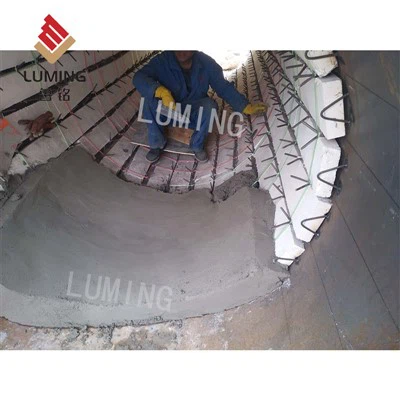
Over time, the refractory lining of a kiln can degrade due to high temperatures, chemical reactions with the raw materials, and mechanical stress. When the refractory lining is damaged or worn, heat can escape from the kiln, leading to energy losses. Regular inspections and timely replacement of damaged refractory bricks can prevent such heat leakage. By maintaining a proper refractory lining, the kiln can retain heat more effectively, reducing the amount of fuel needed to reach and maintain the required operating temperatures. This not only cuts down on energy costs but also increases the overall productivity of the kiln, as more ferronickel can be produced with the same amount of energy input.
2. Product Quality
Maintenance directly influences the quality of the ferronickel produced. A poorly maintained kiln may have inconsistent temperature distribution, which can lead to incomplete reactions or uneven melting of the raw materials. This can result in variations in the chemical composition of the ferronickel, affecting its purity and properties.
For example, if the burner system is not maintained properly, it may not provide a uniform flame, causing hot and cold spots within the kiln. In areas with lower temperatures, the reduction reactions that convert nickel oxide to metallic nickel may not occur fully, leading to a higher content of unreacted oxides in the final product. Regular cleaning and calibration of the burner system, as well as inspection of the temperature control sensors, can ensure a more consistent temperature profile throughout the kiln. This promotes complete and uniform reactions, resulting in a higher - quality ferronickel product that meets the strict industry standards.
3. Equipment Longevity
A ferronickel kiln is a substantial investment, and proper maintenance is essential for extending its lifespan. The continuous operation of the kiln subjects its components to high levels of stress, including thermal expansion and contraction, mechanical wear, and chemical corrosion.
Regular lubrication of moving parts such as the kiln drive system and the conveyor belts can reduce friction and prevent premature wear. Inspecting and tightening bolts and connections can prevent loosening due to vibration, which could otherwise lead to misalignment and damage to the kiln structure. Additionally, monitoring the condition of the kiln shell for signs of corrosion or cracking and taking prompt corrective action can prevent minor issues from escalating into major problems that could render the kiln inoperable. By investing in regular maintenance, the kiln can operate for many years, providing a reliable return on investment.
4. Operational Safety
Safety is a top priority in any industrial setting, and a well - maintained ferronickel kiln is a safer kiln. Faulty equipment can pose significant risks to the operators and the surrounding environment.
For instance, a leak in the gas supply system of the kiln can lead to the accumulation of combustible gases, increasing the risk of explosions or fires. Regular inspection and testing of the gas lines, valves, and safety devices can detect and prevent such leaks. Similarly, a malfunctioning exhaust system can result in the release of harmful pollutants into the atmosphere, endangering the health of the workers and the local community. Routine maintenance of the exhaust system, including cleaning the filters and checking the fan operation, can ensure proper ventilation and minimize the environmental impact.
5. Downtime Reduction
Unplanned downtime can be extremely costly for a ferronickel production facility. It not only halts production but also incurs additional costs for repairs and lost revenue. Regular maintenance can help identify potential problems before they cause the kiln to break down.
Scheduled maintenance activities, such as preventive component replacements and system overhauls, can be planned during periods of low production demand. This way, the kiln can be taken offline for maintenance without significantly disrupting the overall production schedule. By reducing the frequency of unplanned breakdowns, the facility can maintain a more consistent production output, meeting customer demands and improving its competitiveness in the market.
Related Equipment and Their Maintenance
In addition to ferronickel kilns, other types of industrial kilns also rely on proper maintenance for optimal performance. For example, the Pelletizing Rotary Kiln is used in the production of iron ore pellets. Similar to ferronickel kilns, it requires regular inspection of the refractory lining, burner system, and drive mechanism to ensure efficient operation.
The Coke Oven, which is used in the production of coke for the steel industry, also benefits from proper maintenance. Maintenance activities such as checking the oven walls for cracks, maintaining the heating system, and ensuring proper gas flow are crucial for producing high - quality coke.
The Zinc Extraction Kiln is another important piece of equipment in the metallurgical industry. Regular maintenance of its components, including the heat exchanger and the reduction chamber, can improve the efficiency of zinc extraction and the quality of the final product.

Conclusion
In conclusion, maintenance has a far - reaching impact on the performance of a ferronickel kiln. It affects thermal efficiency, product quality, equipment longevity, operational safety, and downtime. As a Ferronickel Kiln supplier, I strongly recommend that our customers establish a comprehensive maintenance program for their kilns.
If you are in the market for a new ferronickel kiln or need advice on maintaining your existing equipment, we are here to help. Our team of experts has extensive experience in the design, installation, and maintenance of ferronickel kilns. Contact us to discuss your specific requirements and explore how we can assist you in optimizing the performance of your kiln.
References
- Smith, J. (2018). Industrial Kiln Maintenance Best Practices. Metallurgical Engineering Journal, 25(3), 123 - 135.
- Johnson, A. (2019). The Impact of Maintenance on Product Quality in Ferronickel Production. Journal of Metals Processing, 32(2), 89 - 98.
- Brown, C. (2020). Safety Considerations in Ferronickel Kiln Operation and Maintenance. Industrial Safety Review, 45(1), 45 - 56.