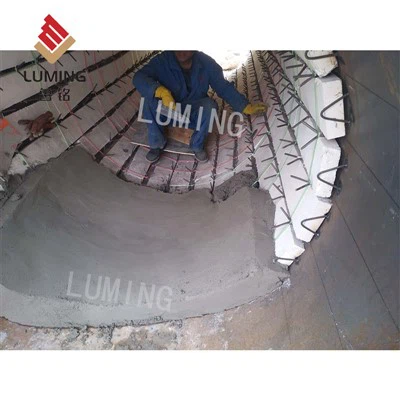
Hey there! As a magnesium brick supplier, I've seen firsthand how important it is to handle these bricks safely. Magnesium bricks are used in a variety of high - temperature applications, like steelmaking, cement production, and glass manufacturing. But because of their properties, there are some crucial safety precautions that everyone should know.
General Safety Gear
First off, let's talk about personal protective equipment (PPE). When you're handling magnesium bricks, you've gotta suit up properly. Wear safety goggles at all times. Magnesium bricks can produce dust particles during handling, cutting, or installation. These particles can easily get into your eyes and cause irritation or even serious damage. So, those goggles are a must - have.
Next, a good pair of gloves is essential. Not just any gloves, though. I recommend using heat - resistant and cut - resistant gloves. Magnesium bricks can be quite heavy, and there's always a risk of cuts when moving or handling them. Heat - resistant gloves are also important because sometimes these bricks can retain heat, especially if they've been recently used in a high - temperature process.
A dust mask is another key piece of gear. When you're working with magnesium bricks, especially if you're crushing or grinding them, dust is going to be everywhere. Inhaling this dust can lead to respiratory problems over time. A proper dust mask will filter out those harmful particles and keep your lungs healthy. And don't forget about wearing long - sleeved shirts and long pants. They'll protect your skin from cuts and potential splashes.
Handling and Storage
When it comes to moving magnesium bricks, proper lifting techniques are super important. These bricks can be pretty heavy, so don't try to lift them alone if they're too bulky. Use a forklift or other mechanical lifting devices when necessary. Always lift with your legs, not your back, to avoid getting hurt.
And be careful when stacking the bricks. Make sure the stack is stable and won't topple over. Unstable stacks can cause serious injuries if they fall. Also, when you're transporting the bricks, secure them properly to prevent them from shifting during transit.
For storage, keep the magnesium bricks in a dry place. Moisture can react with magnesium, leading to corrosion and a reduction in the brick's quality. You should also store them away from any sources of open flame or heat. Magnesium is highly flammable under certain conditions, and exposing the bricks to extreme heat can be dangerous.
Types of Magnesium Bricks and Their Specific Precautions
There are different types of magnesium bricks, each with its own set of characteristics and safety concerns.
Magnesia - alumina Bricks
Magnesia - alumina Bricks are known for their good thermal shock resistance and high refractoriness. But during production, if you're involved in their manufacturing or recycling, be aware that the combination of magnesium and alumina can produce specific types of dust. This dust may have different chemical properties compared to other magnesium bricks, so the PPE requirements might be a bit different. Make sure to use a dust mask that's specifically designed to filter out these particular dust particles.


Magnesia - chrome Bricks
Magnesia - chrome Bricks contain chromium, which can be highly toxic. When handling these bricks, it's even more crucial to prevent dust inhalation. The dust from magnesia - chrome bricks can contain hexavalent chromium, a known carcinogen. So, in addition to the regular PPE, you might want to consider using a respirator with appropriate filters. And when disposing of these bricks, follow strict environmental regulations to avoid contaminating the soil and water.
Magnesia - carbon Bricks
Magnesia - carbon Bricks are often used in steelmaking due to their excellent corrosion resistance. However, the carbon content in these bricks can pose a fire hazard. When handling them, keep them away from any sources of ignition. And if you're cutting or machining these bricks, make sure there's proper ventilation to prevent the build - up of combustible dust.
Working Environment
The working environment also plays a big role in safety. Make sure the area where you're handling magnesium bricks is well - ventilated. Good ventilation helps to disperse any dust or fumes that are generated during the handling process. If you're working indoors, you might need to install exhaust fans or ventilation systems.
Keep fire - fighting equipment nearby. Since magnesium is flammable, it's important to be prepared in case of a fire. Have fire extinguishers that are suitable for magnesium fires. Regular water - based extinguishers won't work on magnesium fires; you need special dry powder extinguishers.
Also, mark the areas where magnesium bricks are stored and handled clearly. This helps to prevent unauthorized access and reduces the risk of accidents.
Safety Training
All workers who are involved in handling magnesium bricks should receive proper safety training. This training should cover everything from the properties of magnesium bricks to the correct use of PPE. Workers need to understand the potential hazards and how to avoid them.
Regular safety drills are also a good idea. These drills can help workers practice their emergency response skills, like using fire extinguishers or evacuating the area in case of an emergency.
Conclusion
Handling magnesium bricks safely is no joke. It requires the right PPE, proper handling and storage techniques, and a safe working environment. By following these safety precautions, you can protect yourself and your workers from potential hazards.
If you're in the market for high - quality magnesium bricks, whether it's Magnesia - alumina Bricks, Magnesia - chrome Bricks, or Magnesia - carbon Bricks, we're here to help. Feel free to reach out to us for more information and to start a procurement discussion. We'll make sure you get the best products and the support you need.
References
- ASTM International. (20XX). Standard practices for handling refractory materials.
- National Institute for Occupational Safety and Health (NIOSH). (20XX). Safety guidelines for working with magnesium - based materials.
- Industry safety manuals for high - temperature applications.