How to maintain magnesium bricks during use?


As a seasoned supplier of magnesium bricks, I've witnessed firsthand the critical role these refractory materials play in various high - temperature industrial applications. Magnesium bricks, known for their excellent refractoriness, high melting points, and strong resistance to basic slag, are widely used in steelmaking furnaces, cement kilns, and glass melting tanks. However, to ensure their long - term performance and cost - effectiveness, proper maintenance during use is essential. In this blog, I'll share some valuable insights and practical tips on how to maintain magnesium bricks effectively.
Understanding the Types of Magnesium Bricks
Before delving into maintenance strategies, it's important to distinguish between different types of magnesium bricks. We offer a diverse range of magnesium - based refractory products, including Sintered Magnesia Brick, Fused Magnesia Brick, and Magnesia - alumina Bricks.
Sintered magnesia bricks are produced by sintering magnesite at high temperatures. They have good thermal shock resistance and relatively low cost, making them suitable for many general - purpose applications. Fused magnesia bricks, on the other hand, are made from fused magnesia grains. They have higher purity, better corrosion resistance, and are often used in the most demanding high - temperature environments, such as the lining of basic oxygen furnaces. Magnesia - alumina bricks combine the advantages of magnesia and alumina, providing excellent strength and resistance to both basic and acidic slags, and are commonly used in areas where complex chemical reactions occur.
Proper Installation
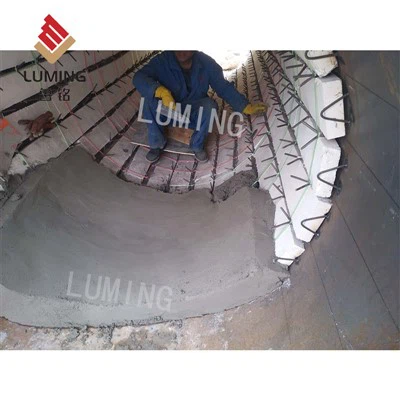
The maintenance process of magnesium bricks actually starts from the installation stage. A correct installation ensures the structural integrity of the refractory lining and reduces the likelihood of premature failure. Here are some key installation considerations:
- Pre - installation Inspection: Before installation, carefully inspect each brick for cracks, chips, or other visible defects. Bricks with flaws should be removed from the installation batch to prevent weak points in the lining.
- Laying Pattern: Choose an appropriate laying pattern based on the specific application and the shape of the furnace or kiln. For example, in a circular furnace, a radial laying pattern may be more suitable to accommodate thermal expansion.
- Joint Thickness: Keep the joint thickness between bricks as uniform as possible. A too - thick joint can reduce the overall strength of the lining, while a too - thin joint may lead to difficulty in installation and poor sealing.
Temperature Control
Temperature is one of the most critical factors affecting the performance and lifespan of magnesium bricks. Extreme temperature variations can cause thermal stress, which may lead to cracking and spalling of the bricks.
- Gradual Heating and Cooling: When starting up or shutting down the furnace or kiln, it's crucial to follow a gradual heating and cooling curve. This allows the magnesium bricks to expand and contract evenly, minimizing thermal stress. For example, when heating up a furnace, increase the temperature at a rate of no more than 50°C per hour in the initial stages.
- Avoiding Hot Spots: Ensure uniform heat distribution within the furnace or kiln to prevent the formation of hot spots. Hot spots can cause local over - heating of the magnesium bricks, accelerating their corrosion and wear. Install proper insulation and use temperature monitoring devices to detect and address potential hot spots promptly.
Chemical Environment Management
Magnesium bricks are subject to chemical attack from various substances in industrial environments, such as slags, gases, and dust. Understanding the chemical composition of these substances and taking appropriate measures to mitigate their effects is vital for maintenance.
- Slag Resistance: Different types of slags have different chemical compositions, and some can be particularly corrosive to magnesium bricks. For example, acidic slags can react with the basic components of magnesium bricks, leading to rapid erosion. Use slag - resistant coatings or linings in areas where slag contact is frequent. Additionally, control the slag composition by adjusting the raw materials used in the industrial process to reduce its corrosiveness.
- Gas Atmosphere: The gas atmosphere in the furnace or kiln can also affect the performance of magnesium bricks. Oxidizing or reducing gases may react with the bricks, causing changes in their chemical and physical properties. Monitor and control the gas composition by adjusting the combustion process and using gas - cleaning systems if necessary.
Regular Inspection and Monitoring
Regular inspection and monitoring are essential for detecting early signs of damage to magnesium bricks and taking timely corrective actions.
- Visual Inspection: Conduct regular visual inspections of the refractory lining to check for cracks, spalling, or any other visible damage. Use tools such as mirrors and borescopes to inspect hard - to - reach areas.
- Thickness Measurement: Periodically measure the thickness of the magnesium bricks using ultrasonic thickness gauges or other non - destructive testing methods. A significant reduction in thickness indicates wear and potential failure.
- Temperature and Gas Analysis: Continuously monitor the temperature and gas composition inside the furnace or kiln. Sudden changes in these parameters may indicate problems with the refractory lining or the industrial process itself.
Repairs and Replacements
When damage to magnesium bricks is detected, prompt repairs or replacements are necessary to prevent further deterioration of the lining.
- Patching: For minor cracks or small areas of damage, patching can be an effective repair method. Use a suitable refractory patching material that has similar properties to the magnesium bricks. Make sure the patch is properly bonded to the existing lining and cured according to the manufacturer's instructions.
- Brick Replacement: In cases where the damage is extensive or the bricks have reached the end of their useful life, replace the damaged bricks. Follow the correct installation procedures when replacing bricks to ensure the integrity of the lining.
In conclusion, maintaining magnesium bricks during use requires a comprehensive approach that encompasses proper installation, temperature control, chemical environment management, regular inspection, and timely repairs. By following these guidelines, you can extend the lifespan of your magnesium brick lining, improve the efficiency of your industrial processes, and reduce maintenance costs.
If you're looking for high - quality magnesium bricks and expert advice on their use and maintenance, we're here to help. Contact us today to discuss your specific requirements and let's start a productive procurement negotiation.
References
- "Refractory Materials: Properties and Applications" by John Smith
- "Industrial Furnaces and Kilns: Design and Operation" by Mary Johnson