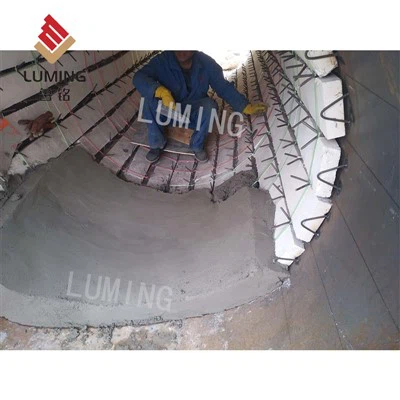
Hey there! I'm a supplier of Lime Kilns, and today I wanna chat about how to scale up the production of a Lime Kiln. It's a topic that's super relevant for anyone in the lime production game, whether you're looking to meet growing market demands or just boost your bottom line.
First off, let's understand what a Lime Kiln is. A Lime Kiln, as you can learn more about here, is a crucial piece of equipment in the lime production process. It's where limestone gets heated to high temperatures to produce quicklime. But scaling up its production isn't as simple as just turning up the heat or adding more limestone. There are several key factors to consider.
1. Optimize the Kiln Design
The design of your Lime Kiln plays a huge role in its production capacity. Older kiln designs might not be as efficient as the newer ones. For example, modern Lime Kilns often have better insulation, which helps to reduce heat loss. This means less energy is wasted, and you can run the kiln at a more consistent temperature.
Another aspect of the design is the size and shape of the kiln. A larger kiln can obviously handle more limestone at once, but you also need to make sure that the heat distribution is even throughout the kiln. If some parts of the limestone aren't getting heated enough, you won't get a complete conversion to quicklime. So, it might be worth investing in a new Lime Kiln or upgrading your existing one to a more efficient design.
2. Improve the Fuel Source
The type of fuel you use in your Lime Kiln can have a big impact on production. Traditional fuels like coal and oil can be effective, but they also come with environmental concerns and can be expensive. Nowadays, many Lime Kiln operators are switching to more sustainable and cost - effective fuel sources like natural gas or biomass.
Natural gas burns cleaner and more efficiently than coal, which means you can get more heat output for the same amount of fuel. Biomass, on the other hand, is a renewable energy source. It can be made from things like wood chips or agricultural waste. Using biomass not only helps the environment but can also reduce your fuel costs in the long run.
3. Enhance the Raw Material Quality
The quality of the limestone you put into your Lime Kiln matters a lot. High - quality limestone has a higher calcium carbonate content, which means you'll get more quicklime out of it. You should source your limestone from reliable suppliers who can provide consistent quality.
Before putting the limestone into the kiln, it's also a good idea to crush and screen it to a uniform size. This ensures that the limestone heats up evenly in the kiln. If you have large chunks of limestone mixed with small ones, the small ones might over - heat while the large ones don't get heated enough.
4. Implement Automation and Monitoring Systems
In today's digital age, automation and monitoring systems can really take your Lime Kiln production to the next level. An automated system can control the temperature, fuel flow, and limestone feed rate more precisely than a human operator. This leads to more consistent production and less room for error.
Monitoring systems can also help you keep an eye on the kiln's performance. You can track things like temperature, pressure, and fuel consumption in real - time. If there's a problem, you can detect it early and take corrective action before it affects production. For example, if the temperature in one part of the kiln starts to drop, you can adjust the fuel flow to that area right away.
5. Train Your Staff
Your staff is the backbone of your Lime Kiln operation. They need to be well - trained in all aspects of the kiln's operation, from loading the limestone to maintaining the equipment. Make sure your employees understand the importance of following safety protocols and operating procedures.
Regular training sessions can help your staff stay up - to - date with the latest techniques and technologies in Lime Kiln operation. You can also encourage them to come up with ideas for improving production. Sometimes, the people on the ground have the best insights into what's working and what's not.


6. Manage the Supply Chain
Scaling up production means you'll need to have a reliable supply chain for both the raw materials (limestone) and the finished product (quicklime). You should establish long - term contracts with your limestone suppliers to ensure a steady supply. This can also help you negotiate better prices.
On the other hand, you need to have a good distribution network for your quicklime. Make sure you can get your product to your customers in a timely manner. If your customers have to wait too long for their quicklime, they might look for other suppliers.
7. Consider Co - production
Co - production is another strategy that can help you scale up your Lime Kiln production. You can co - produce other products along with quicklime in your Lime Kiln. For example, some Lime Kilns are designed to also produce cement. You can learn more about Cement Kilns and how they work.
Another option is to use your Lime Kiln for hazardous waste incineration. Some Lime Kilns can be modified to burn hazardous waste while producing quicklime at the same time. This not only helps you increase production but also provides an environmental service. You can find more information about Hazardous Waste Incineration Kilns.
8. Analyze and Optimize the Process
Regularly analyzing your Lime Kiln production process is essential for scaling up. You need to look at things like production rates, energy consumption, and product quality. Use data analytics tools to identify areas where you can improve.
For example, if you notice that your production rate drops during certain times of the day, you can investigate why. It could be due to a problem with the fuel supply or a maintenance issue. Once you identify the problem, you can take steps to fix it and improve your overall production.
In conclusion, scaling up the production of a Lime Kiln requires a comprehensive approach. It's not just about one thing but a combination of factors like kiln design, fuel source, raw material quality, and staff training. By implementing these strategies, you can increase your production capacity, reduce costs, and improve the quality of your quicklime.
If you're interested in scaling up your Lime Kiln production or need more information about our Lime Kilns, don't hesitate to reach out. We're here to help you take your lime production to the next level.
References
- "Lime Kiln Technology Handbook" by Industry Experts
- Research Papers on Lime Kiln Efficiency and Production Scaling