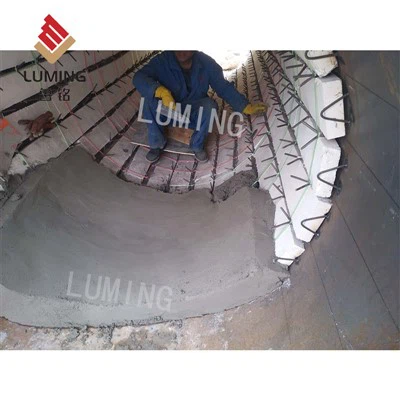
As a leading supplier of fireclay bricks, I've witnessed firsthand the importance of understanding the heat resistance of these versatile refractory materials. Fireclay bricks are widely used in various high-temperature applications, from industrial furnaces to domestic fireplaces. In this blog post, I'll delve into the intricacies of fireclay brick heat resistance, exploring the factors that influence it and the implications for different applications.
What are Fireclay Bricks?
Fireclay bricks, also known as Fire Clay Brick, are made from a special type of clay that can withstand high temperatures without melting or deforming. This clay is rich in alumina and silica, which give the bricks their excellent refractory properties. Fireclay bricks are known for their durability, thermal insulation, and resistance to chemical corrosion, making them a popular choice for a wide range of high-temperature environments.
Heat Resistance of Fireclay Bricks
The heat resistance of fireclay bricks is primarily determined by their chemical composition and physical structure. The alumina and silica content in the clay plays a crucial role in determining the brick's ability to withstand high temperatures. Generally, fireclay bricks with a higher alumina content have better heat resistance.
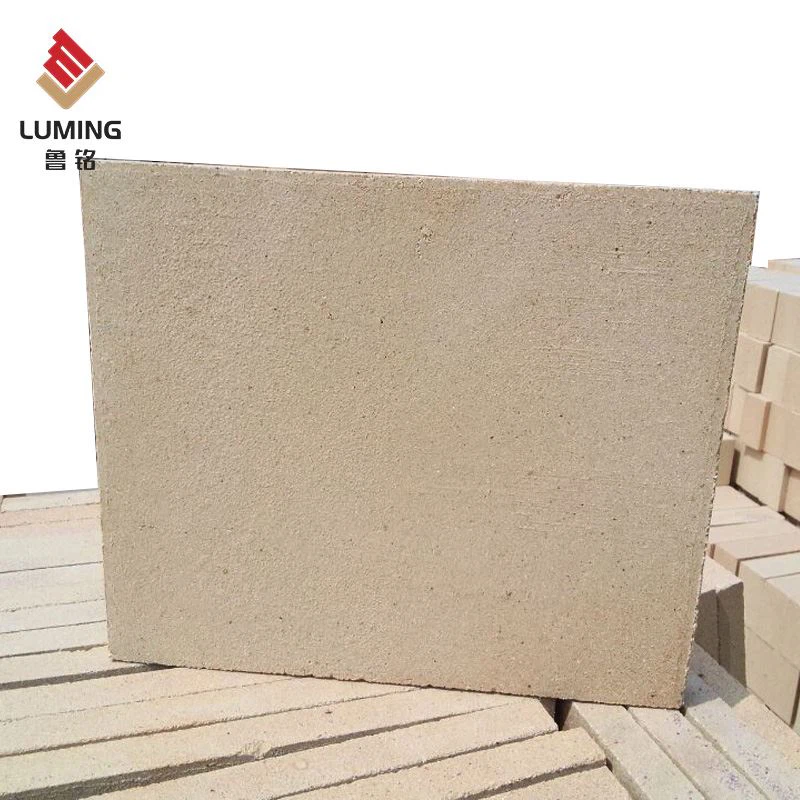

The refractoriness of fireclay bricks is typically measured using the Pyrometric Cone Equivalent (PCE). The PCE is a measure of the temperature at which a standard cone of the refractory material will soften and bend under its own weight. Fireclay bricks can have a PCE ranging from 26 to 34, with higher numbers indicating better heat resistance.
For example, Sk34 Refractory Brick has a relatively high PCE, making it suitable for applications where extremely high temperatures are involved. These bricks can withstand temperatures up to around 1600°C (2912°F), making them ideal for use in industrial furnaces, kilns, and other high-temperature processes.
Factors Affecting Heat Resistance
Several factors can affect the heat resistance of fireclay bricks:
- Chemical Composition: As mentioned earlier, the alumina and silica content in the clay is a key factor. Other impurities in the clay, such as iron oxide, can also affect the brick's heat resistance. Higher levels of impurities can lower the melting point of the brick and reduce its overall heat resistance.
- Manufacturing Process: The way the fireclay bricks are manufactured can also impact their heat resistance. Proper firing during the manufacturing process is essential to ensure the bricks develop the right crystalline structure and density. Bricks that are under - fired or over - fired may have reduced heat resistance.
- Porosity: The porosity of fireclay bricks can affect their heat transfer properties and heat resistance. Bricks with lower porosity are generally better at retaining heat and have better resistance to thermal shock. However, some level of porosity can be beneficial in applications where gas permeability is required.
Applications Based on Heat Resistance
The heat resistance of fireclay bricks makes them suitable for a variety of applications:
- Industrial Furnaces: In industries such as steelmaking, glassmaking, and ceramics, fireclay bricks are used to line the interiors of furnaces. The high heat resistance of these bricks allows them to withstand the extreme temperatures generated during the production processes. For example, in a steelmaking furnace, the bricks need to withstand temperatures well above 1000°C (1832°F).
- Kilns: Kilns used for firing pottery, ceramics, and other materials require refractory materials that can maintain a stable temperature. Fireclay bricks are a popular choice due to their ability to resist the high temperatures and thermal cycling associated with kiln operations.
- Domestic Fireplaces: Fireclay bricks are also used in domestic fireplaces. They provide a safe and durable lining that can withstand the heat generated by burning wood or other fuels. The heat resistance of these bricks ensures that they do not crack or break under normal fireplace use.
- Chimneys: Fireclay bricks can be used to line chimneys. They help to protect the chimney structure from the high temperatures of the flue gases and prevent heat transfer to the surrounding building materials.
Fire Clay Tile and Heat Resistance
Fire clay tiles are a type of fireclay product that also offers good heat resistance. These tiles are often used in applications where a flat, smooth surface is required, such as in the lining of ovens or as decorative elements in high - temperature areas. Similar to fireclay bricks, the heat resistance of fire clay tiles depends on their chemical composition, manufacturing process, and porosity.
Maintaining Heat Resistance
To ensure that fireclay bricks maintain their heat resistance over time, proper installation and maintenance are crucial. During installation, it's important to use the right type of mortar and to ensure that the bricks are properly aligned and seated. This helps to prevent heat leakage and ensures uniform heat distribution.
Regular inspections should be carried out to check for signs of wear, cracking, or other damage. Any damaged bricks should be replaced promptly to prevent further deterioration and to maintain the integrity of the refractory lining.
Conclusion
Understanding the heat resistance of fireclay bricks is essential for anyone involved in high - temperature applications. As a fireclay brick supplier, I'm committed to providing high - quality products that meet the specific heat resistance requirements of our customers. Whether you're in the industrial sector or looking for a solution for your domestic fireplace, our range of fireclay bricks and tiles can offer the performance and durability you need.
If you're interested in learning more about our fireclay brick products or have specific requirements for your project, I encourage you to contact us for a detailed discussion. We can help you select the right type of fireclay brick based on your heat resistance needs and other application - specific factors.
References
- ASTM International. (2021). Standard Test Methods for Pyrometric Cone Equivalent (PCE) of Fireclay and High - Alumina Refractories. ASTM C24 - 21.
- Reed, J. S. (1995). Principles of Ceramic Processing. Wiley - Interscience.
- Schneider, H., & Swainson, I. (2002). High - Temperature Properties of Refractories. Wiley - VCH.