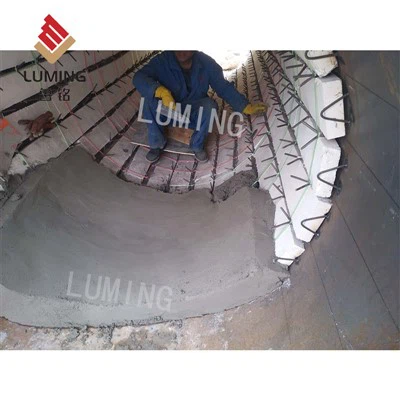
In the dynamic landscape of the cement industry, the choice of refractory materials plays a pivotal role in ensuring efficient and sustainable operations. One such material that has garnered significant attention is magnesium brick. As a seasoned magnesium brick supplier, I am excited to delve into the question: Can magnesium brick be used in the cement industry?
Understanding Magnesium Bricks
Magnesium bricks, primarily composed of magnesium oxide (MgO), are renowned for their high refractoriness, excellent thermal stability, and resistance to basic slag corrosion. These properties make them a compelling candidate for applications in high - temperature environments, such as those found in the cement manufacturing process.
There are different types of magnesium bricks available in the market, each with its unique characteristics and applications. For instance, Fused Magnesia Brick is produced by melting high - purity magnesite in an electric arc furnace and then casting or pressing it into bricks. This type of brick has a dense structure, high strength, and superior resistance to thermal shock and corrosion.
On the other hand, Sintered Magnesia Brick is manufactured by sintering magnesite at high temperatures. It offers good refractoriness and chemical stability, making it suitable for a wide range of industrial applications.
Another variant is Magnesia - alumina Bricks, which combine the advantages of magnesium oxide and alumina. These bricks have enhanced thermal shock resistance and mechanical strength, making them ideal for use in areas where both high temperature and mechanical stress are present.
Applications of Magnesium Bricks in the Cement Industry
Rotary Kilns
Rotary kilns are the heart of the cement manufacturing process, where raw materials are heated to extremely high temperatures (up to 1450°C) to produce clinker. Magnesium bricks are well - suited for lining the rotary kiln due to their high refractoriness and resistance to the basic nature of cement clinker.
The high melting point of magnesium oxide allows the bricks to withstand the intense heat generated inside the kiln without significant deformation. Moreover, their resistance to basic slag corrosion helps prevent the erosion of the lining by the molten clinker, thereby extending the service life of the kiln lining.
Preheaters and Coolers
Preheaters are used to pre - heat the raw materials before they enter the rotary kiln, while coolers are used to cool the clinker after it is produced. These components also operate at high temperatures and are exposed to corrosive gases and dust. Magnesium bricks can be used to line the preheaters and coolers to provide thermal insulation and protection against corrosion.


In preheaters, the thermal stability of magnesium bricks helps maintain a consistent temperature profile, improving the efficiency of the pre - heating process. In coolers, their resistance to abrasion and corrosion ensures that the lining remains intact, reducing maintenance costs and downtime.
Lime Kilns
Lime is an essential component in cement production, and lime kilns are used to calcine limestone to produce quicklime. Magnesium bricks are commonly used in lime kilns due to their ability to withstand the high temperatures and basic environment.
The high purity of magnesium oxide in the bricks helps prevent the contamination of the lime product, ensuring its quality. Additionally, the excellent thermal shock resistance of magnesium bricks allows them to withstand the rapid temperature changes that occur during the operation of the lime kiln.
Advantages of Using Magnesium Bricks in the Cement Industry
High Temperature Resistance
As mentioned earlier, magnesium bricks have a high melting point, typically above 2800°C. This makes them capable of withstanding the extreme temperatures encountered in the cement manufacturing process, ensuring the stability and integrity of the refractory lining.
Corrosion Resistance
The basic nature of cement clinker and the corrosive gases produced during the manufacturing process can cause significant damage to the refractory lining. Magnesium bricks have excellent resistance to basic slag corrosion, which helps protect the lining from erosion and extends its service life.
Thermal Insulation
Magnesium bricks have relatively low thermal conductivity, which means they can effectively reduce heat loss from the kiln and other equipment. This not only improves the energy efficiency of the cement manufacturing process but also reduces operating costs.
Mechanical Strength
In addition to their thermal and chemical properties, magnesium bricks also possess good mechanical strength. They can withstand the mechanical stress caused by the movement of the kiln, the flow of materials, and the impact of equipment, ensuring the structural integrity of the lining.
Challenges and Considerations
While magnesium bricks offer numerous advantages for use in the cement industry, there are also some challenges and considerations that need to be addressed.
Cost
Magnesium bricks are generally more expensive than some other types of refractory materials. However, it is important to consider the long - term benefits, such as extended service life, reduced maintenance costs, and improved energy efficiency. In many cases, the higher initial investment in magnesium bricks can be offset by the savings achieved over the life of the refractory lining.
Installation and Maintenance
Proper installation and maintenance of magnesium bricks are crucial to ensure their optimal performance. Incorrect installation can lead to issues such as cracking, spalling, and poor bonding, which can reduce the effectiveness of the lining. Regular inspection and maintenance are also required to detect and address any potential problems early, preventing costly repairs and downtime.
Thermal Shock
Although magnesium bricks have good thermal shock resistance, sudden and extreme temperature changes can still cause damage to the bricks. Care must be taken during the start - up and shut - down procedures of the kiln to minimize thermal shock and ensure the longevity of the lining.
Conclusion
In conclusion, magnesium bricks can indeed be used in the cement industry, and they offer significant advantages in terms of high temperature resistance, corrosion resistance, thermal insulation, and mechanical strength. Their applications in rotary kilns, preheaters, coolers, and lime kilns contribute to the efficient and sustainable operation of cement plants.
As a magnesium brick supplier, I am committed to providing high - quality products and excellent customer service to meet the specific needs of the cement industry. If you are interested in learning more about our magnesium bricks or would like to discuss your refractory requirements, please feel free to contact us for a detailed consultation and procurement negotiation.
References
- "Refractories Handbook" by J. A. Salem
- "Cement Manufacturing Technology" by P. Kumar Mehta
- Industry reports on refractory materials in the cement industry