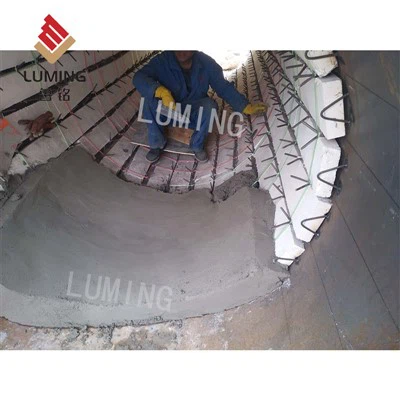
Can a kiln be used for ceramic glazing? Well, if you've ever dabbled in ceramics, you've probably asked this question at some point. I'm here to tell you about all the ins and outs of using a kiln for ceramic glazing. As a supplier of kilns and furnaces, I've seen firsthand how these wonderful machines can transform a simple ceramic piece into a work of art.
First off, let's talk about what ceramic glazing is. Glazing is the process of applying a thin layer of glass - like substance to the surface of a ceramic object. This not only adds a beautiful finish but also makes the ceramic more durable, resistant to stains, and protects it from the elements.
The real star of the show here is the kiln. Kilns are specifically designed to create high - temperature environments. When it comes to ceramic glazing, the high heat plays a crucial role. The kiln heats the glazed ceramic piece to a specific temperature range, which causes the glaze to melt and bond with the ceramic surface. This process is called firing.
There are different types of kilns that work great for ceramic glazing. Electric kilns are super popular. They're easy to control, which means you can precisely set the temperature and the firing time. This is essential because different glazes require different firing temperatures and times. For example, some lead - free glazes need to be fired at a lower temperature compared to others. Gas kilns are another option. They can create unique atmospheres inside the kiln, which can lead to some really cool, specialty effects on the glazed surfaces.
Now, I know what you're thinking - can just any kiln be used for ceramic glazing? The short answer is no. You need to make sure the kiln has the right features. It should have good temperature uniformity. If the temperature inside the kiln isn't consistent, the glaze won't melt evenly, and you'll end up with a piece that has spots where the glaze either didn't melt at all or melted too much. Also, the kiln should have proper ventilation. During the firing process, the glaze releases gases, and if these gases aren't vented out, they can cause problems like blisters or discoloration on the glazed surface.
As a kiln and furnace supplier, I've got a wide range of kilns that are perfect for ceramic glazing. For instance, our Roasting Kiln is designed with precision temperature control. This allows you to achieve that perfect firing for your ceramic glazes. It's also built to be energy - efficient, which is great if you're doing a lot of glazing projects.
Another great option is our Magnesium Metal Reduction Furnace. Although it might seem more geared towards metal reduction at first glance, it can actually be adjusted for ceramic glazing. It has a very stable temperature environment, and with some minor modifications, it can provide a consistent and high - quality firing process for your ceramic pieces.
Then there's our Circulating Fluidized Bed (cfb). This type of kiln is known for its excellent heat distribution. For ceramic glazing, this means that every part of your ceramic piece is getting the same amount of heat, resulting in a uniform glaze finish.


When it comes to getting started with ceramic glazing in a kiln, there are a few steps you should follow. First, prepare your ceramic piece by cleaning it thoroughly. Any dirt or debris on the surface can affect how the glaze adheres and melts. Then, apply the glaze evenly. You can use different techniques like dipping, brushing, or spraying, depending on the effect you want.
Once your piece is glazed, it's time to load it into the kiln. Make sure to place it on a kiln shelf or a support in a way that allows for proper air circulation. Set the kiln to the appropriate temperature and firing time according to the glaze manufacturer's instructions.
After the firing is complete, let the kiln cool down slowly. Rapid cooling can cause the glaze to crack or the ceramic to break. Once it's cooled, take out your newly glazed piece and admire your work.
One of the things I love about ceramic glazing in a kiln is the endless possibilities. You can experiment with different types of glazes, colors, and firing techniques. You can create pieces that are functional, like cups and plates, or purely decorative, like vases and sculptures.
If you're a professional ceramic artist looking to expand your capabilities or a hobbyist just starting out, having the right kiln is essential. At our company, we understand that different customers have different needs. Whether you need a small, table - top kiln for home projects or a large, industrial - grade kiln for a studio, we've got you covered.
We also offer excellent customer support. Our team of experts is always ready to help you choose the right kiln for your ceramic glazing needs, answer any questions you might have about operating the kiln, and provide maintenance tips.
If you're interested in purchasing a kiln for your ceramic glazing projects, don't hesitate to reach out to us. We're here to make your ceramic glazing experience as smooth and successful as possible. Whether you're looking for that perfect finish on your next masterpiece or you're just getting into the world of ceramics, our kilns and furnaces are the key to achieving your goals.
In conclusion, a kiln is not just a tool; it's a gateway to creativity and self - expression in the world of ceramics. With the right kiln, you can turn ordinary clay into extraordinary glazed pieces. So, if you're ready to take your ceramic glazing to the next level, contact us today to start exploring our wide range of kilns and furnaces.
References:
- Ceramic Art Today magazine. Issues on Kiln Usage and Glazing.
- Professional Ceramics Handbook. A guide on kiln operations and glazing techniques.