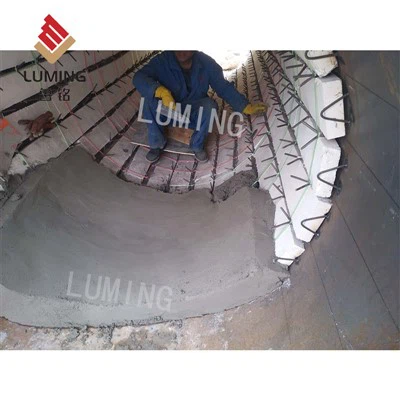
Hey there! As a zircon brick supplier, I've been diving deep into the world of zircon bricks for quite a while. One of the most interesting topics I've come across is how different raw material sources can impact the performance of zircon bricks. So, let's get right into it!
First off, what exactly are zircon bricks? Well, zircon bricks are a type of refractory material. They're used in a bunch of high - temperature applications, like in furnaces and kilns. You can check out more about them on our website: Zircon Refractory Brick.
The raw materials for zircon bricks mainly come from two key components: zirconium silicate (ZrSiO₄) and zirconia (ZrO₂). The source of these raw materials can vary widely, and this variance has a huge effect on the final product.
1. Chemical Composition Variations
The chemical composition of raw materials from different sources can be quite different. For instance, zircon sands from Australia are known for their high purity. They usually have a high content of zirconium silicate and relatively low levels of impurities like iron oxide (Fe₂O₃) and titanium dioxide (TiO₂). When we use these high - purity raw materials to make zircon bricks, the resulting bricks have better chemical stability.
On the other hand, zircon sands from some African sources might have a bit higher impurity levels. These impurities can react with other substances in the high - temperature environment where the bricks are used. For example, iron oxide can act as a flux, which means it can lower the melting point of the brick. This might cause the brick to deform or even melt at lower temperatures than expected. So, if you're looking for a brick with excellent chemical stability, you might want to go for Zirconia Brick made from high - purity Australian zircon sands.
2. Physical Properties
The physical properties of zircon bricks are also greatly influenced by the raw material sources. The particle size distribution of the raw materials is a crucial factor. Raw materials from some mines might have a wider particle size distribution. This can affect the packing density of the bricks during the manufacturing process.
If the particle size distribution is too wide, there might be large voids in the brick structure. These voids can reduce the strength of the brick and also make it more permeable to gases and molten materials. In contrast, raw materials with a more uniform particle size can lead to a denser and stronger brick structure.


The crystal structure of the raw materials can also vary. Zirconia can exist in different crystal phases, such as monoclinic, tetragonal, and cubic. The phase composition depends on the source and the processing conditions of the raw material. Cubic zirconia, for example, has better thermal shock resistance compared to monoclinic zirconia. So, if you need a brick that can withstand rapid temperature changes, choosing a raw material source that can provide a higher proportion of cubic zirconia is a good idea. You can find more details about this on our Refractory Zircon Brick page.
3. Thermal Performance
Thermal performance is a key aspect when it comes to zircon bricks. Different raw material sources can lead to different thermal conductivity and thermal expansion coefficients of the bricks.
Raw materials with a higher content of certain impurities might increase the thermal conductivity of the brick. This means that heat can transfer through the brick more easily. In some applications, like in a furnace where you want to minimize heat loss, a lower thermal conductivity is preferred. So, using high - purity raw materials can help achieve this goal.
The thermal expansion coefficient is also important. If the thermal expansion coefficient is too high, the brick might crack or break when it's heated and cooled repeatedly. Raw materials from different geological formations can have different inherent thermal expansion characteristics. By carefully selecting the raw material source, we can control the thermal expansion coefficient of the zircon bricks to make them more suitable for specific high - temperature applications.
4. Manufacturing Process Compatibility
The raw material source can also affect the manufacturing process of zircon bricks. Some raw materials might be more difficult to process. For example, if the raw material has a high moisture content or a complex mineral structure, it might require more energy and time to prepare it for brick - making.
Raw materials that are more compatible with the manufacturing process can lead to a more efficient production. This not only reduces the production cost but also improves the quality consistency of the zircon bricks. We've found that by choosing the right raw material source, we can optimize our manufacturing process and produce high - quality zircon bricks more consistently.
5. Cost Considerations
Of course, cost is always a factor. Raw materials from different sources have different prices. High - purity raw materials usually cost more. But when you consider the long - term performance of the zircon bricks, the extra cost might be worth it.
For example, if you use lower - cost raw materials with higher impurity levels, the bricks might need to be replaced more frequently due to their lower performance. This can actually end up costing you more in the long run. So, it's important to balance the cost and the performance requirements when choosing the raw material source for zircon bricks.
In conclusion, the source of raw materials has a profound impact on the performance of zircon bricks. From chemical composition and physical properties to thermal performance and manufacturing process compatibility, every aspect is affected. As a zircon brick supplier, we're constantly researching and selecting the best raw material sources to ensure that we can provide our customers with high - quality zircon bricks that meet their specific needs.
If you're in the market for zircon bricks and want to learn more about how the raw material source can affect the performance of the bricks for your particular application, don't hesitate to reach out. We're here to help you make the right choice and provide you with the best zircon brick solutions. Let's have a chat about your requirements and see how we can work together to meet them.
References
- "Refractory Materials Handbook"
- Journal articles on zirconium - based refractory materials
- Industry reports on zircon raw material sources and their properties