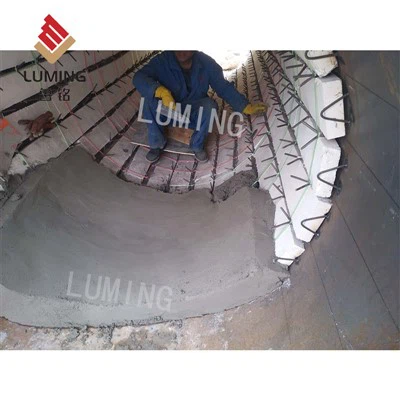
Ventilation is a critical aspect of kiln operation, directly influencing the efficiency, safety, and product quality of the kiln. As a leading supplier of kilns and furnaces, we understand the importance of proper ventilation in various types of kilns. In this blog, we will delve into the ventilation requirements for different kilns, exploring the factors that affect ventilation and the best practices to ensure optimal performance.
Why Ventilation is Essential for Kilns
Ventilation in a kiln serves several crucial purposes. Firstly, it helps to remove combustion by - products such as carbon dioxide, carbon monoxide, and other harmful gases. These gases, if not properly removed, can pose significant health risks to operators and may also affect the quality of the products being processed in the kiln.
Secondly, ventilation controls the temperature and humidity inside the kiln. By removing hot, moist air, fresh air can be introduced, which helps to maintain a stable and appropriate environment for the firing process. This is particularly important for kilns used in processes like ceramic firing, where precise temperature and humidity control are essential for achieving the desired product characteristics.
Finally, proper ventilation can improve the energy efficiency of the kiln. By ensuring that the combustion process is efficient, less fuel is wasted, leading to cost savings and a reduced environmental impact.
Factors Affecting Kiln Ventilation Requirements
Several factors influence the ventilation requirements of a kiln.
Kiln Size and Design
The size of the kiln is a major determinant of ventilation needs. Larger kilns generally require more ventilation as they have a larger volume of air to exchange and more combustion by - products to remove. The design of the kiln, including its shape, the number of chambers, and the location of inlets and outlets, also plays a crucial role. For example, a kiln with a complex multi - chamber design may require a more sophisticated ventilation system to ensure uniform air distribution.


Type of Fuel Used
Different fuels produce different amounts and types of combustion by - products. For instance, coal combustion produces a significant amount of particulate matter and sulfur dioxide, while natural gas combustion produces relatively fewer pollutants. The ventilation system must be designed to handle the specific by - products of the fuel being used.
Firing Process
The type of firing process also affects ventilation requirements. Processes that involve high temperatures or long firing times may require more ventilation to remove the heat and maintain a stable environment. For example, in a glass kiln, where the glass is melted at extremely high temperatures, a powerful ventilation system is needed to remove the hot air and prevent overheating.
Ventilation Requirements for Different Types of Kilns
Pelletizing Rotary Kiln
A Pelletizing Rotary Kiln is commonly used in the iron ore pelletizing process. In this kiln, iron ore fines are agglomerated into pellets. Ventilation in a pelletizing rotary kiln is crucial for removing the exhaust gases produced during the firing process. These gases contain dust, sulfur dioxide, and nitrogen oxides.
The ventilation system for a pelletizing rotary kiln typically consists of an exhaust fan, a dust collector, and a stack. The exhaust fan draws the hot gases out of the kiln, and the dust collector removes the particulate matter from the gases before they are released into the atmosphere. The stack is used to disperse the cleaned gases at a safe height.
The ventilation rate for a pelletizing rotary kiln depends on the size of the kiln and the production capacity. Generally, a higher production capacity requires a higher ventilation rate to ensure that all the combustion by - products are removed efficiently.
Glass Kiln
Glass Kiln is used to melt glass raw materials at high temperatures, usually around 1500 - 1700°C. Ventilation in a glass kiln is essential for removing the heat generated during the melting process and for controlling the atmosphere inside the kiln.
The ventilation system in a glass kiln often includes air inlets and outlets, as well as a heat recovery system. The air inlets introduce fresh air into the kiln, which helps to cool the refractory lining and maintain a stable temperature. The outlets remove the hot air and combustion gases. The heat recovery system captures the heat from the exhaust gases and uses it to pre - heat the incoming air or the raw materials, improving the energy efficiency of the kiln.
The ventilation requirements for a glass kiln are influenced by the size of the kiln, the type of glass being produced, and the firing cycle. For example, a kiln producing high - quality optical glass may require more precise ventilation control to ensure a clean and stable atmosphere.
Strontium Salt Kiln
In a Strontium Salt Kiln, strontium salts are processed through a series of chemical reactions at high temperatures. Ventilation in this type of kiln is necessary to remove the gases produced during the chemical reactions, such as carbon dioxide and water vapor.
The ventilation system for a strontium salt kiln should be designed to handle the corrosive nature of the gases. Special materials may be required for the construction of the ducts and the exhaust fan to prevent corrosion. The ventilation rate should be adjusted according to the reaction rate and the volume of the kiln.
Best Practices for Kiln Ventilation
To ensure optimal ventilation in a kiln, the following best practices should be followed:
Regular Maintenance
The ventilation system should be regularly inspected and maintained. This includes checking the fan performance, cleaning the dust collectors, and inspecting the ducts for leaks. Regular maintenance can prevent breakdowns and ensure that the ventilation system operates efficiently.
Monitoring and Control
Install sensors to monitor the temperature, pressure, and gas concentrations inside the kiln and the ventilation system. Use a control system to adjust the ventilation rate based on the monitored data. This can help to maintain a stable environment inside the kiln and improve the energy efficiency.
Training for Operators
Provide training for kiln operators on the importance of ventilation and how to operate the ventilation system correctly. Operators should be aware of the potential hazards associated with poor ventilation and know how to respond to any ventilation - related problems.
Conclusion
Proper ventilation is a fundamental requirement for the safe, efficient, and high - quality operation of kilns. As a kiln and furnace supplier, we are committed to providing our customers with kilns that are equipped with state - of - the - art ventilation systems. Our team of experts can design and customize ventilation solutions based on the specific needs of each kiln application.
If you are in the market for a new kiln or need to upgrade your existing ventilation system, we invite you to contact us for a detailed consultation. Our experienced sales team will be happy to discuss your requirements and provide you with the best possible solutions.
References
- Perry, R. H., & Green, D. W. (Eds.). (1997). Perry's Chemical Engineers' Handbook. McGraw - Hill.
- Zenz, F. A. (1999). Industrial Ventilation Design Guidebook. John Wiley & Sons.