As a supplier of lime kilns, I've witnessed firsthand the profound impact these industrial behemoths can have on the surrounding environment, particularly in terms of noise levels. In this blog, I'll delve into the science behind lime kiln noise, explore its implications for the area, and discuss strategies for mitigating its effects.
Understanding Lime Kiln Noise
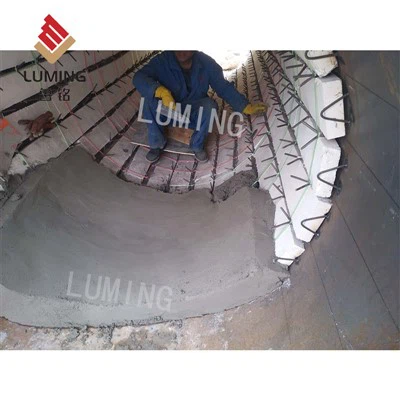
Lime kilns are large, cylindrical furnaces used to convert limestone into lime through a process called calcination. This process involves heating the limestone to high temperatures, typically between 900°C and 1,200°C, causing it to break down into calcium oxide (lime) and carbon dioxide. The intense heat and chemical reactions taking place inside the kiln generate a significant amount of noise, which can be heard over long distances.
There are several sources of noise within a lime kiln. The most obvious is the combustion process itself, which involves the rapid burning of fuel to generate the heat required for calcination. The combustion of fuel produces a loud, continuous roar as the flames consume oxygen and release energy. Additionally, the movement of materials within the kiln, such as the rotation of the kiln shell and the flow of limestone and lime through the system, can also generate noise.
Another significant source of noise is the operation of the kiln's auxiliary equipment, such as fans, blowers, and pumps. These devices are used to supply air, fuel, and other materials to the kiln, as well as to remove waste gases and products. The operation of these devices can produce high-pitched whines, screeches, and vibrations, which can add to the overall noise level in the area.
Impact on the Area
The noise generated by a lime kiln can have a significant impact on the surrounding area, both in terms of human health and the environment. Excessive noise exposure can cause a range of health problems, including hearing loss, stress, sleep disturbance, and reduced productivity. It can also have a negative impact on wildlife, disrupting their natural behavior and communication patterns.
In addition to its health effects, lime kiln noise can also have a social and economic impact on the area. It can reduce the quality of life for nearby residents, making it difficult for them to enjoy their homes and outdoor activities. It can also affect the value of property in the area, as potential buyers may be deterred by the noise pollution.
Furthermore, lime kiln noise can have a regulatory impact on the operation of the kiln. Many local and national governments have established noise limits and regulations to protect the health and well-being of their citizens. If a lime kiln exceeds these limits, it may be subject to fines, penalties, or even shutdown orders.
Mitigating Lime Kiln Noise
As a lime kiln supplier, we understand the importance of minimizing the impact of our products on the environment and the communities in which they operate. That's why we offer a range of noise mitigation solutions to help our customers reduce the noise levels generated by their lime kilns.
One of the most effective ways to reduce lime kiln noise is to install sound insulation materials around the kiln and its auxiliary equipment. These materials can absorb and reflect sound waves, reducing the amount of noise that escapes into the surrounding area. Common sound insulation materials include fiberglass, mineral wool, and acoustic panels.
Another approach to noise mitigation is to use vibration isolation techniques to reduce the transmission of vibrations from the kiln to the surrounding structure. This can be achieved by installing vibration isolators, such as rubber mounts or springs, between the kiln and its foundation. By reducing the vibrations, the amount of noise generated by the kiln can be significantly reduced.
In addition to sound insulation and vibration isolation, we also offer a range of noise control devices, such as silencers and mufflers, which can be installed on the kiln's exhaust systems and auxiliary equipment. These devices are designed to reduce the noise levels generated by the flow of gases and liquids through the system, without affecting the performance of the equipment.
Finally, we work closely with our customers to develop customized noise mitigation solutions that meet their specific needs and requirements. Our team of experts will conduct a detailed noise assessment of the site, taking into account factors such as the location of the kiln, the surrounding environment, and the local noise regulations. Based on this assessment, we will recommend the most appropriate noise mitigation measures to ensure that the kiln operates within the acceptable noise limits.
Conclusion
In conclusion, lime kilns can have a significant impact on the noise levels in the area, both in terms of human health and the environment. However, by implementing effective noise mitigation measures, such as sound insulation, vibration isolation, and noise control devices, it is possible to reduce the noise levels generated by these industrial facilities and minimize their impact on the surrounding community.
As a lime kiln supplier, we are committed to providing our customers with high-quality products and services that meet their needs and exceed their expectations. We understand the importance of environmental responsibility and are dedicated to helping our customers operate their lime kilns in a safe, efficient, and sustainable manner.

If you are interested in learning more about our lime kilns or our noise mitigation solutions, please visit our website at Lithium Industry Kilns, Alumina Calcination Kiln, or Cement Kiln. Our team of experts is available to answer any questions you may have and to provide you with a customized solution that meets your specific needs. Contact us today to start the conversation and explore how we can help you achieve your goals.
References
- "Industrial Noise Control and Acoustics" by Clarence W. deSilva
- "Handbook of Noise and Vibration Control" by Malcolm J. Crocker
- "Noise Pollution: A Modern Plague" by Arline Bronzaft