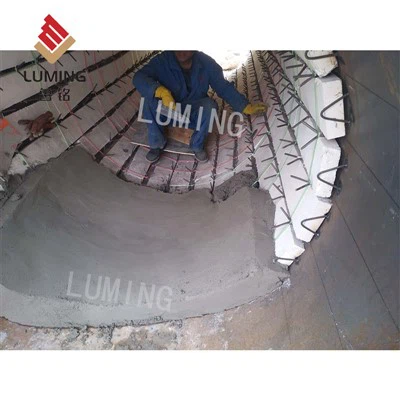
Hey there! As a silica brick supplier, I often get asked about the thermal conductivity of silica brick. So, I thought I'd write this blog to give you all the lowdown on what it is, why it matters, and how it affects the performance of silica bricks in different applications.


What is Thermal Conductivity?
First things first, let's talk about what thermal conductivity actually means. In simple terms, thermal conductivity is a measure of how well a material can conduct heat. It's usually denoted by the symbol "k" and is measured in units of watts per meter-kelvin (W/m·K). A material with a high thermal conductivity can transfer heat quickly, while a material with a low thermal conductivity is a poor conductor of heat and can act as an insulator.
Thermal Conductivity of Silica Brick
Silica brick is a type of refractory brick made primarily from silica (SiO₂). It's known for its high refractoriness, which means it can withstand high temperatures without melting or deforming. The thermal conductivity of silica brick can vary depending on several factors, including its chemical composition, density, porosity, and temperature.
On average, the thermal conductivity of silica brick ranges from about 1.0 to 2.0 W/m·K at room temperature. However, this value can increase significantly as the temperature rises. For example, at 1000°C, the thermal conductivity of silica brick can be around 2.5 to 3.5 W/m·K. This increase in thermal conductivity with temperature is due to the fact that as the temperature rises, the vibrations of the atoms in the silica structure become more intense, which allows heat to be transferred more easily through the material.
Factors Affecting Thermal Conductivity
Let's take a closer look at some of the factors that can affect the thermal conductivity of silica brick:
Chemical Composition
The chemical composition of silica brick plays a crucial role in determining its thermal conductivity. Pure silica has a relatively low thermal conductivity, but the presence of impurities or other additives can increase it. For example, if the silica brick contains small amounts of iron oxide (Fe₂O₃) or alumina (Al₂O₃), these impurities can act as heat carriers and increase the thermal conductivity of the brick.
Density
The density of silica brick also affects its thermal conductivity. Generally, a denser brick has a higher thermal conductivity because there are more atoms in a given volume, which allows heat to be transferred more efficiently. On the other hand, a less dense brick with a higher porosity has a lower thermal conductivity because the pores act as insulators and impede the flow of heat.
Porosity
Porosity is another important factor that influences the thermal conductivity of silica brick. As mentioned earlier, pores in the brick act as insulators and reduce the thermal conductivity. The size, shape, and distribution of the pores can also affect how well they insulate. For example, small, well-distributed pores are more effective at reducing thermal conductivity than large, irregularly shaped pores.
Temperature
As I mentioned before, the thermal conductivity of silica brick increases with temperature. This is because at higher temperatures, the atoms in the silica structure have more energy and vibrate more vigorously, which facilitates the transfer of heat.
Why Does Thermal Conductivity Matter?
The thermal conductivity of silica brick is an important property because it affects its performance in various applications. Here are some examples:
Furnaces and Kilns
In furnaces and kilns, silica bricks are often used as lining materials to withstand the high temperatures generated during the heating process. A high thermal conductivity can be beneficial in some cases because it allows heat to be transferred more quickly from the heat source to the material being processed. However, in other cases, a lower thermal conductivity may be desired to reduce heat loss through the furnace walls and improve energy efficiency.
Glass Manufacturing
Silica bricks are also widely used in the glass manufacturing industry. In glass melting furnaces, the thermal conductivity of the silica bricks can affect the melting rate and the quality of the glass. A higher thermal conductivity can help to speed up the melting process, but it may also lead to uneven heating and thermal stress in the glass.
Steelmaking
In the steelmaking process, silica bricks are used in the lining of ladles, tundishes, and other refractory structures. The thermal conductivity of these bricks can impact the heat transfer during the pouring and holding of molten steel, which can affect the quality and productivity of the steelmaking process.
Different Types of Silica Bricks and Their Thermal Conductivity
There are several different types of silica bricks available, each with its own unique properties and thermal conductivity. Here are some of the most common types:
Semi-silica Brick
Semi-silica bricks contain a lower percentage of silica (usually around 60 - 80%) compared to regular silica bricks. They also have a higher content of other minerals, such as alumina and iron oxide. The thermal conductivity of semi-silica bricks is generally higher than that of pure silica bricks due to the presence of these impurities.
Fused Silica Brick
Fused silica bricks are made by melting high-purity silica sand and then casting it into the desired shape. These bricks have a very low thermal conductivity because they have a highly ordered structure with few impurities. Fused silica bricks are often used in applications where high thermal insulation is required.
Silica Mullite Brick
Silica mullite bricks are a combination of silica and mullite, a mineral with high refractoriness and good thermal shock resistance. The thermal conductivity of silica mullite bricks can vary depending on the ratio of silica to mullite in the composition. Generally, they have a thermal conductivity that is intermediate between that of pure silica bricks and mullite bricks.
How to Choose the Right Silica Brick Based on Thermal Conductivity
When choosing a silica brick for a specific application, it's important to consider the thermal conductivity requirements. Here are some tips to help you make the right choice:
- Understand the Application: First, you need to understand the temperature range, heat transfer requirements, and other operating conditions of the application. For example, if you need a brick for a high-temperature furnace where rapid heat transfer is necessary, you may want to choose a brick with a higher thermal conductivity. On the other hand, if you're looking for a brick to reduce heat loss and improve energy efficiency, a lower thermal conductivity brick may be more suitable.
- Consider the Chemical Composition: As mentioned earlier, the chemical composition of the silica brick can affect its thermal conductivity. If you need a brick with a specific thermal conductivity, you may want to work with a supplier who can customize the composition of the brick to meet your requirements.
- Evaluate the Density and Porosity: The density and porosity of the brick can also have a significant impact on its thermal conductivity. A denser brick with lower porosity will generally have a higher thermal conductivity, while a less dense brick with higher porosity will have a lower thermal conductivity.
Conclusion
In conclusion, the thermal conductivity of silica brick is an important property that can affect its performance in various applications. It can vary depending on factors such as chemical composition, density, porosity, and temperature. By understanding these factors and choosing the right type of silica brick based on your specific thermal conductivity requirements, you can ensure that you get the best performance and value for your money.
If you're in the market for silica bricks and have any questions about thermal conductivity or other properties, don't hesitate to reach out. We're here to help you find the perfect solution for your needs. Whether you're building a new furnace, upgrading an existing kiln, or working on a glass manufacturing project, we've got the expertise and the products to support you. So, let's start the conversation and see how we can work together to meet your refractory needs.
References
- Schneider, H., & Somers, J. (2002). Refractories Handbook. ASM International.
- Reed, J. S. (1995). Principles of Ceramics Processing. Wiley.
- Gupta, P. K., & Jain, P. C. (2006). Refractory Materials: Properties, Applications, and Selection. CRC Press.