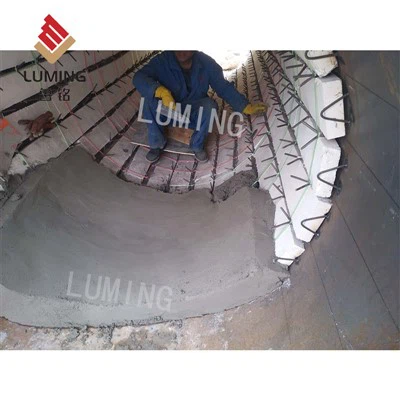
In the dynamic landscape of the non - ferrous metal industry, the role of corundum brick cannot be overstated. As a seasoned corundum brick supplier, I have witnessed firsthand how these remarkable refractory materials contribute to the efficiency, safety, and quality of non - ferrous metal production processes.
1. Understanding Corundum Brick
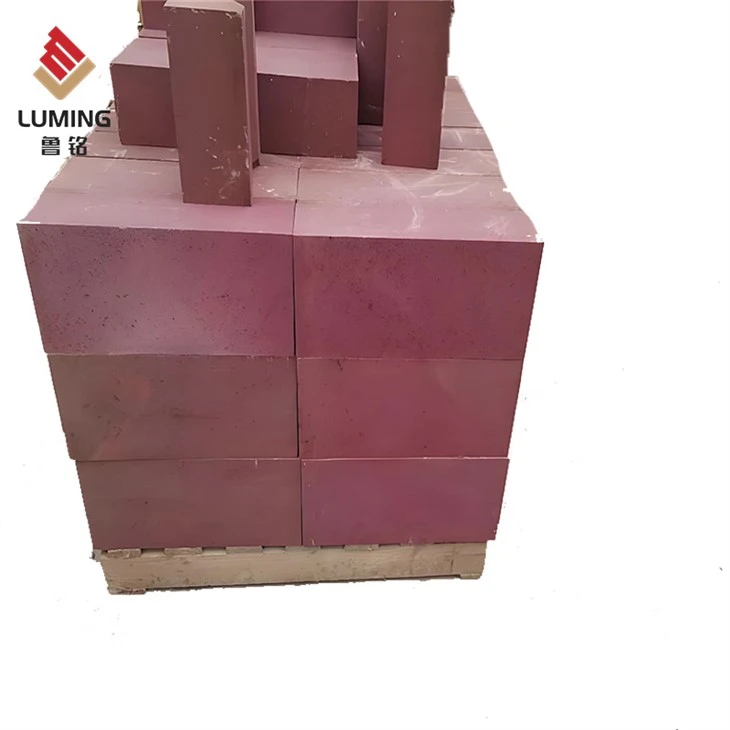
Corundum brick is a type of high - performance refractory material mainly composed of corundum, which is aluminum oxide (Al₂O₃) in its crystalline form. It has excellent physical and chemical properties, such as high melting point, good thermal shock resistance, and strong corrosion resistance. There are different types of corundum bricks available in the market, each tailored to specific industrial needs. For instance, Zirconia - corundum Brick combines the properties of zirconia and corundum, offering enhanced thermal stability and resistance to chemical attack. Refractory Corundum Brick is designed to withstand extremely high temperatures, making it suitable for applications where heat resistance is of utmost importance. Chrome - corundum Brick contains chromium oxide, which improves its resistance to certain corrosive substances.
2. Corundum Brick in Smelting Processes
The non - ferrous metal industry encompasses the extraction and refining of metals such as copper, aluminum, zinc, and lead. Smelting is a crucial step in this process, where the raw ore is heated to high temperatures to separate the metal from its impurities. Corundum brick plays a vital role in smelting furnaces.
2.1 High - Temperature Resistance
Smelting furnaces operate at extremely high temperatures, often exceeding 1000°C. Corundum brick, with its high melting point (around 2050°C), can withstand these harsh conditions without significant deformation or melting. This ensures the structural integrity of the furnace lining, preventing leaks and maintaining the efficiency of the smelting process. For example, in copper smelting, the furnace lining made of corundum brick can endure the high - temperature environment during the conversion of copper sulfide ores to copper metal.
2.2 Thermal Insulation
In addition to high - temperature resistance, corundum brick also provides excellent thermal insulation. By reducing heat loss from the furnace, it helps to conserve energy and lower production costs. This is particularly important in large - scale smelting operations, where even a small improvement in energy efficiency can result in significant savings. The low thermal conductivity of corundum brick allows the furnace to maintain a stable internal temperature, which is essential for the proper chemical reactions to occur during smelting.
2.3 Corrosion Resistance
During smelting, the molten metal and slag can be highly corrosive. Corundum brick has strong resistance to chemical attack from these substances. It can withstand the erosive action of molten metals, acidic or basic slags, and various gaseous compounds. For instance, in zinc smelting, the furnace lining made of corundum brick can resist the corrosive effects of zinc vapor and the slag formed during the process. This corrosion resistance extends the service life of the furnace lining, reducing the frequency of repairs and replacements.
3. Corundum Brick in Refining Processes
After smelting, the non - ferrous metals often need to be refined to improve their purity. Corundum brick also finds important applications in refining processes.
3.1 Ladle Linings
Ladle is a container used to transfer and hold molten metal during the refining process. Corundum brick is commonly used as the lining material for ladles. Its high - temperature resistance and corrosion resistance ensure that the ladle can safely hold the molten metal without contamination. The smooth surface of corundum brick also helps to prevent the adhesion of molten metal and slag, making it easier to clean the ladle after each use.
3.2 Electric Arc Furnaces
In some non - ferrous metal refining processes, electric arc furnaces are used. These furnaces generate high - intensity heat through an electric arc. Corundum brick is an ideal lining material for electric arc furnaces due to its ability to withstand high - temperature gradients and rapid thermal cycling. It can also resist the electromagnetic interference generated in the furnace, ensuring stable operation.

4. Quality Assurance and Customization
As a corundum brick supplier, we understand the importance of quality in the non - ferrous metal industry. We implement strict quality control measures throughout the production process to ensure that our corundum bricks meet the highest standards. Our products are tested for various properties, such as density, porosity, thermal conductivity, and mechanical strength.
Moreover, we offer customization services to meet the specific needs of our customers. Different non - ferrous metal production processes may require corundum bricks with different compositions, shapes, and sizes. We work closely with our customers to understand their requirements and develop tailored solutions. Whether it is a small - scale laboratory furnace or a large - scale industrial smelter, we can provide the right corundum brick products.
5. Environmental Considerations
In today's world, environmental protection is a major concern in the industrial sector. Corundum brick is a relatively environmentally friendly refractory material. It is made from natural minerals and does not release harmful substances during normal use. Additionally, its long service life reduces the amount of waste generated from furnace lining replacements. By using corundum brick in the non - ferrous metal industry, companies can not only improve their production efficiency but also contribute to environmental sustainability.
6. Future Trends
The non - ferrous metal industry is constantly evolving, driven by technological advancements and changing market demands. In the future, we expect to see further developments in corundum brick technology. For example, researchers are working on improving the thermal shock resistance of corundum brick to meet the requirements of more complex and rapid - heating processes. There is also a growing interest in developing more environmentally friendly production methods for corundum brick.
As a supplier, we are committed to keeping up with these trends and continuously improving our products. We invest in research and development to introduce new and innovative corundum brick solutions to the market.
7. Conclusion
In conclusion, corundum brick plays a crucial role in the non - ferrous metal industry. Its high - temperature resistance, thermal insulation, corrosion resistance, and other excellent properties make it an indispensable material in smelting and refining processes. As a reliable corundum brick supplier, we are dedicated to providing high - quality products and customized solutions to meet the diverse needs of our customers in the non - ferrous metal industry.
If you are in the non - ferrous metal industry and are looking for high - performance corundum brick products, we would be delighted to discuss your requirements. Our team of experts can provide you with detailed information and technical support. Contact us today to start a fruitful business cooperation.
References
- "Refractories Handbook", edited by P. V. Ramana Murthy.
- "Non - Ferrous Metallurgy: Principles and Practice", by S. K. Ray.
- Industry reports on non - ferrous metal production and refractory materials.