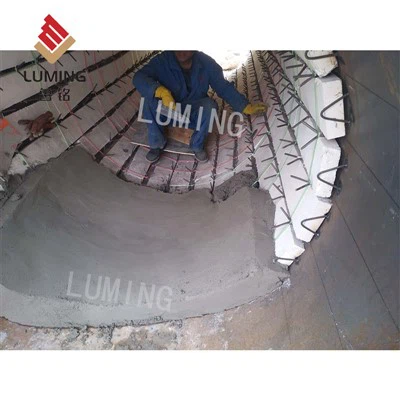
As a supplier of high alumina bricks, I am often asked about the chemicals these bricks can resist. High alumina bricks are widely used in various industrial applications due to their excellent refractory properties and chemical resistance. In this blog, I will delve into the types of chemicals that high alumina bricks can withstand, providing valuable insights for those considering using these bricks in their projects.
Understanding High Alumina Bricks
High alumina bricks are refractory materials primarily composed of alumina (Al₂O₃). The alumina content in these bricks typically ranges from 48% to over 90%, which significantly influences their properties, including chemical resistance. These bricks are known for their high melting point, good thermal shock resistance, and low thermal conductivity, making them suitable for use in high - temperature environments such as furnaces, kilns, and incinerators.
Chemical Resistance of High Alumina Bricks
Acidic Chemicals
One of the key advantages of high alumina bricks is their ability to resist acidic chemicals. They can withstand the attack of many inorganic acids, such as sulfuric acid (H₂SO₄), hydrochloric acid (HCl), and nitric acid (HNO₃). The high alumina content in the bricks forms a stable oxide layer on the surface, which acts as a barrier against acid corrosion.
For example, in the chemical industry, high alumina bricks are used in the lining of acid - storage tanks and reaction vessels. In sulfuric acid plants, these bricks can resist the corrosive effects of concentrated sulfuric acid at high temperatures. The chemical reaction between the acid and the alumina in the bricks is slow, and the bricks can maintain their structural integrity over a long period.
When exposed to hydrochloric acid, high alumina bricks also show good resistance. The chloride ions in hydrochloric acid have a relatively low reactivity with the alumina in the bricks. However, the resistance may vary depending on the concentration of the acid and the temperature. In general, high alumina bricks with a higher alumina content are more resistant to acidic chemicals. You can find more information about our high - quality Refractory High Alumina Brick on our website.
Alkaline Chemicals
High alumina bricks also have a certain degree of resistance to alkaline chemicals. They can withstand the attack of alkalis such as sodium hydroxide (NaOH) and potassium hydroxide (KOH). At moderate temperatures, the alumina in the bricks reacts with alkalis to form aluminates, but this reaction is relatively slow.
In the cement industry, high alumina bricks are used in the kiln linings where they are exposed to alkaline substances in the cement raw materials. The bricks can resist the corrosion caused by the alkalis in the cement clinker. However, at very high temperatures and high alkali concentrations, the resistance of high alumina bricks may decrease. Special grades of high alumina bricks with enhanced alkali - resistance properties are available for such harsh environments. Our Sk38 Refractory Brick is designed to offer excellent performance in alkaline - rich environments.
Oxidizing and Reducing Atmospheres
High alumina bricks can also perform well in both oxidizing and reducing atmospheres. In an oxidizing atmosphere, the alumina in the bricks is stable and forms a protective oxide layer. This layer prevents further oxidation of the brick material and reduces the risk of corrosion.
In a reducing atmosphere, high alumina bricks are also relatively stable. The reducing agents, such as carbon monoxide (CO) and hydrogen (H₂), have a limited effect on the alumina in the bricks. However, in some cases, the presence of certain impurities in the bricks may react with the reducing agents, which can affect the long - term performance of the bricks. Therefore, it is important to choose high - quality high alumina bricks with low impurity content. Our High Aluminum Brick is manufactured with strict quality control to ensure its performance in different atmospheres.


Molten Metals and Slags
High alumina bricks are commonly used in the lining of furnaces for melting metals such as steel, copper, and aluminum. They can resist the corrosion and erosion caused by molten metals and slags. The high melting point of alumina allows the bricks to maintain their shape and structure at the high temperatures required for metal melting.
When in contact with molten steel, high alumina bricks form a thin layer of slag on the surface, which acts as a buffer between the brick and the molten metal. This layer reduces the direct contact between the brick and the metal, thereby minimizing the corrosion. In the case of copper and aluminum melting furnaces, high alumina bricks also show good resistance to the corrosive effects of the molten metals and their associated slags.
Factors Affecting Chemical Resistance
Several factors can affect the chemical resistance of high alumina bricks. The alumina content is the most important factor. As mentioned earlier, bricks with a higher alumina content generally have better chemical resistance. The density of the bricks also plays a role. Higher - density bricks have fewer pores, which reduces the penetration of chemicals into the brick structure.
The firing temperature during the manufacturing process also affects the chemical resistance. Bricks fired at higher temperatures have a more stable crystal structure, which enhances their resistance to chemical attack. Additionally, the presence of impurities in the bricks can reduce their chemical resistance. Therefore, it is crucial to control the raw material quality and the manufacturing process to produce high - quality high alumina bricks.
Conclusion
High alumina bricks are a versatile refractory material with excellent chemical resistance. They can withstand the attack of acidic and alkaline chemicals, perform well in oxidizing and reducing atmospheres, and resist the corrosion of molten metals and slags. As a supplier of high alumina bricks, we are committed to providing high - quality products that meet the diverse needs of our customers.
If you are looking for high - quality high alumina bricks for your industrial applications, we invite you to contact us for procurement and further discussions. Our team of experts can provide you with detailed information and technical support to help you choose the most suitable bricks for your project.
References
- "Refractories Handbook", by John Smith, published by Industrial Press.
- "High - Temperature Materials and Technology", by David Brown, published by Academic Press.
- Industry reports on refractory materials from leading research institutions.