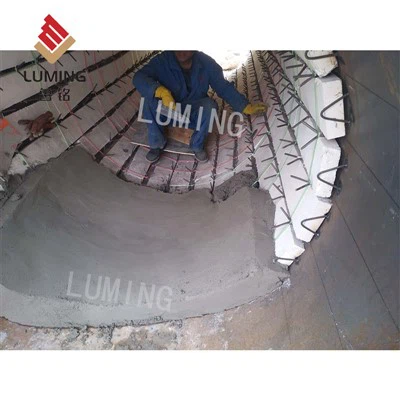
Hey there! As a Coke Oven supplier, I've had my fair share of questions about the coke oven and the gas it produces. So, I thought it'd be cool to dive into what the function of the gas produced in a coke oven really is.


First off, let's talk about what a coke oven is. It's a crucial piece of equipment in the steel - making and chemical industries. When coal is heated in a coke oven in the absence of air (a process called pyrolysis), it turns into coke, and along with that, a bunch of gases are produced. This gas is often referred to as coke oven gas (COG).
One of the primary functions of coke oven gas is as a fuel source. It's got a pretty decent heating value. In steel plants, where coke ovens are commonly found, this gas can be used to heat up other parts of the production process. For example, it can be used in the blast furnace to help melt the iron ore. The heat from the combustion of coke oven gas is essential for maintaining the high temperatures required in these industrial processes. It's kind of like the energy drink for the steel - making machinery, giving it the power it needs to keep chugging along.
Moreover, coke oven gas can be used in other industrial kilns. Take the Strontium Salt Kiln for instance. These kilns are used in the production of strontium salts, which have various applications in the fireworks industry, electronics, and more. The consistent heat provided by the combustion of coke oven gas helps in the chemical reactions that take place inside the strontium salt kiln, ensuring a high - quality end product.
Another important application is in the Alumina Calcination Kiln. Alumina, which is aluminum oxide, is a key ingredient in the production of aluminum. The calcination process in the kiln involves heating alumina to high temperatures to remove any water and transform it into a suitable form for aluminum extraction. Coke oven gas can be used as a reliable and cost - effective fuel to provide the necessary heat for this process.
Coke oven gas also has a role in the glass industry. In a Glass Kiln, the gas can be used to melt and shape glass. The high - temperature environment created by burning coke oven gas is essential for turning raw materials like sand, soda ash, and limestone into molten glass. This molten glass can then be molded into various shapes, from bottles to windows.
But the uses of coke oven gas don't stop at just being a fuel. It also contains valuable chemical components. For example, it has a significant amount of hydrogen. Hydrogen is in high demand in many industries, especially in the refining of petroleum products. It can be used in hydrocracking processes, where large hydrocarbon molecules are broken down into smaller, more useful ones. The hydrogen in coke oven gas can be separated and purified for this purpose.
In addition to hydrogen, coke oven gas also contains methane. Methane can be used as a natural gas substitute in some cases. It can be further processed and used for heating homes, powering vehicles, or generating electricity. This multi - functionality makes coke oven gas a valuable resource that can be utilized in different sectors.
Now, let's talk about the environmental aspect. Using coke oven gas as a fuel can be a more environmentally friendly option compared to some other fossil fuels. Since it's a by - product of the coke - making process, it makes use of a resource that would otherwise go to waste. By capturing and using the coke oven gas, we can reduce the amount of greenhouse gas emissions. Instead of releasing these gases into the atmosphere, we're putting them to good use, which is a win - win situation for both the industries and the environment.
However, there are also some challenges in dealing with coke oven gas. It contains impurities like tar, ammonia, and sulfur compounds. These impurities need to be removed before the gas can be used effectively. If not removed, they can cause corrosion in the equipment and also lead to environmental pollution when the gas is burned. But with modern purification technologies, these issues can be managed quite well.
As a Coke Oven supplier, I understand the importance of providing equipment that can produce high - quality coke oven gas. Our coke ovens are designed to optimize the production process, ensuring that the gas produced has the right composition and heating value. We also work closely with our customers to help them set up the necessary purification systems so that they can make the most of the coke oven gas.
If you're in the steel, chemical, glass, or any other industry that could benefit from the use of coke oven gas, I'd highly recommend considering our coke ovens. They're built to last, with advanced features that can improve the efficiency of your production process. Whether you're looking to heat your kilns, power your machinery, or extract valuable chemicals, our coke ovens can be the solution you need.
If you're interested in learning more about our Coke Ovens or have any questions about the gas they produce, don't hesitate to reach out. We're always here to have a chat and see how we can help you achieve your business goals. Let's work together to make your industrial processes more efficient and sustainable.
References
- Industrial Chemistry Textbooks
- Research Papers on Coke Oven Gas Utilization
- Industry Reports on Steel and Chemical Production