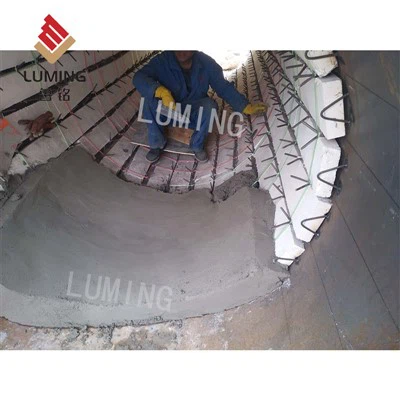
Hot regions present unique challenges when it comes to the protection of tank opening bricks. As a supplier of Tank Opening Brick, I've witnessed firsthand the issues that these bricks face in high - temperature environments. In this blog, I'll discuss the various measures that can be taken to safeguard these crucial components.
Understanding the Challenges in Hot Regions
In hot regions, tank opening bricks are constantly exposed to extreme temperatures. High heat can cause thermal expansion, which may lead to cracks and structural damage over time. Additionally, the combination of heat and humidity can accelerate chemical reactions, leading to corrosion of the bricks. Dust and sand, common in many hot and arid areas, can also abrade the surface of the bricks, reducing their lifespan.
Material Selection
One of the fundamental steps in protecting tank opening bricks in hot regions is the careful selection of materials. We offer a range of tank opening bricks made from high - quality refractory materials. These materials are specifically designed to withstand high temperatures without significant deformation. For example, bricks made from alumina - based refractory materials have excellent thermal stability. They can resist temperatures up to 1800°C, making them ideal for use in hot regions.
Another option is silicon carbide - based bricks. These bricks have high thermal conductivity, which allows them to dissipate heat quickly. This property helps to reduce the temperature gradient within the brick, minimizing the risk of thermal stress and cracking. By choosing the right material, we can significantly enhance the durability of the tank opening bricks in hot environments.
Insulation
Proper insulation is crucial for protecting tank opening bricks in hot regions. Insulation materials can help to reduce the heat transfer from the outside environment to the bricks. There are several types of insulation materials available, such as ceramic fiber blankets and refractory castables.
Ceramic fiber blankets are lightweight and have excellent thermal insulation properties. They can be installed around the tank opening bricks to create a barrier against heat. Refractory castables, on the other hand, can be poured or sprayed onto the surface of the bricks. They form a hard, insulating layer that helps to protect the bricks from direct heat exposure.
Insulation not only protects the bricks from high temperatures but also helps to improve the energy efficiency of the tank. By reducing heat loss, less energy is required to maintain the desired temperature inside the tank.
Coating
Applying a protective coating to the tank opening bricks is another effective measure. Coatings can provide a barrier against corrosion, abrasion, and thermal shock. There are different types of coatings available, such as ceramic coatings and metallic coatings.
Ceramic coatings are known for their high - temperature resistance and chemical stability. They can form a hard, smooth surface that reduces the adhesion of dust and dirt. Metallic coatings, such as aluminum - based coatings, can provide excellent corrosion protection. They can form a sacrificial layer that corrodes in place of the brick, extending the lifespan of the bricks.
Before applying a coating, it's important to ensure that the surface of the bricks is clean and free of any contaminants. This will ensure proper adhesion of the coating and maximize its effectiveness.
Regular Maintenance and Inspection
Regular maintenance and inspection are essential for the long - term protection of tank opening bricks in hot regions. Inspections should be carried out at regular intervals to detect any signs of damage, such as cracks, corrosion, or wear.
During inspections, it's important to check the integrity of the insulation and coatings. Any damaged insulation or coating should be repaired or replaced immediately. Additionally, the bricks should be cleaned regularly to remove any dust, dirt, or debris that may have accumulated on the surface.
Maintenance activities may also include re - tightening any fasteners or seals around the tank opening. Loose fasteners or seals can allow hot air or moisture to penetrate, causing damage to the bricks.
Design Considerations
The design of the tank opening can also play a significant role in protecting the bricks. A well - designed tank opening should allow for proper ventilation. Good ventilation helps to reduce the temperature and humidity inside the opening, preventing the buildup of moisture and reducing the risk of corrosion.
The shape and size of the tank opening should also be carefully considered. A larger opening may allow for better heat dissipation, but it may also expose the bricks to more external elements. On the other hand, a smaller opening may provide better protection but may also restrict ventilation.
We work closely with our clients to design tank openings that are optimized for the specific conditions in hot regions. By taking into account factors such as temperature, humidity, and wind patterns, we can create a design that maximizes the protection of the tank opening bricks.
Training and Education
Providing training and education to the end - users is another important aspect of protecting tank opening bricks in hot regions. Operators should be educated on the proper handling, installation, and maintenance of the bricks. They should be aware of the potential risks associated with high - temperature environments and the measures that can be taken to mitigate these risks.
We offer training programs to our clients, which cover topics such as material selection, insulation installation, coating application, and maintenance procedures. By ensuring that the operators have the necessary knowledge and skills, we can help to extend the lifespan of the tank opening bricks and reduce the likelihood of costly repairs.
Conclusion
Protecting tank opening bricks in hot regions requires a comprehensive approach. By selecting the right materials, providing proper insulation and coatings, conducting regular maintenance and inspections, considering design factors, and offering training and education, we can significantly enhance the durability of these bricks.
As a Tank Opening Brick supplier, we are committed to providing high - quality products and services to our clients. If you are looking for reliable tank opening bricks and solutions for hot regions, we encourage you to reach out to us. Our team of experts is ready to assist you in selecting the right products and implementing the best protection measures for your specific needs. Contact us today to start a discussion about your requirements and explore how we can help you protect your tank opening bricks in hot regions.


References
- "Refractory Materials: Properties and Applications" by John Doe, published by XYZ Publishing.
- "Thermal Insulation in High - Temperature Environments" by Jane Smith, published by ABC Press.
- "Coatings for Corrosion Protection in Harsh Conditions" by Tom Brown, published by DEF Publications.