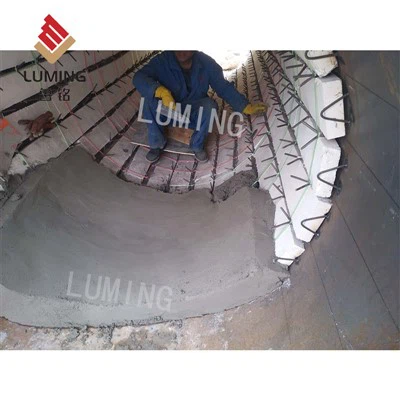
Hey there! As a ramming mass supplier, I often get asked about the differences between acidic ramming mass and basic ramming mass. It's a super important topic, especially if you're in the market for quality ramming mass products. So, let's dive right in and break it down.


First off, let's talk about what ramming mass is. Ramming mass is a kind of unshaped refractory material. We use it in lots of high - temperature industrial applications, like in furnaces, ladles, and other metal - melting equipment. Its main job is to line these vessels and protect them from the extreme heat and chemical reactions that happen during the metal - making process.
Acidic Ramming Mass
Acidic ramming mass is mainly composed of acidic refractory materials, with silica (SiO₂) being the key ingredient. It's got a high silica content, usually around 90% or more. This high silica level gives it some unique properties.
One of the big advantages of acidic ramming mass is its good resistance to acidic slag. In processes where the slag has an acidic nature, like in some non - ferrous metal smelting operations, acidic ramming mass works really well. It can withstand the corrosive effects of acidic substances without getting damaged too quickly.
Another plus is its relatively low cost. Since silica is a common and widely available material, producing acidic ramming mass is generally more affordable compared to some other types. This makes it a popular choice for small - scale operations or those on a tight budget.
However, acidic ramming mass also has its limitations. It doesn't do so great in basic slag environments. When exposed to basic substances, the silica in the ramming mass can react with the basic components in the slag, leading to a chemical reaction that can erode the lining. Also, its thermal shock resistance isn't as good as some other types. Thermal shock happens when there are sudden changes in temperature, and acidic ramming mass can crack or spall under these conditions.
If you're interested in a specific type of acidic ramming mass, you might want to check out Zirconia - based Ramming Mix. Zirconia - based ramming mixes can offer enhanced performance in certain acidic applications.
Basic Ramming Mass
Now, let's shift our focus to basic ramming mass. Basic ramming mass is made up of basic refractory materials, with magnesia (MgO) being a major component. Magnesia - based ramming mass is one of the most common types.
Basic ramming mass shines in environments with basic slag. In steelmaking, for example, where the slag is often basic, basic ramming mass is the go - to choice. It has excellent resistance to basic substances, which means it can last longer and provide better protection for the furnace lining.
It also has better thermal shock resistance compared to acidic ramming mass. This is really important in industrial processes where there are frequent and rapid temperature changes. Basic ramming mass can handle these changes without cracking or breaking down easily.
But basic ramming mass isn't without its drawbacks. It's more expensive than acidic ramming mass. The production process of basic ramming mass, especially those with high - quality magnesia, is more complex and costly. Also, it's not very resistant to acidic slag. If used in an environment with acidic substances, it can be quickly corroded.
If you're in the market for basic ramming mass, take a look at Magnesia - based Ramming Mix. This type of ramming mix is designed to offer top - notch performance in basic slag conditions.
Other Types of Ramming Mass
Apart from acidic and basic ramming mass, there are also other types available. One of them is Sic - based Ramming Mix. Silicon carbide (SiC) is the main component here. Sic - based ramming mix has high thermal conductivity, which means it can transfer heat quickly. This property makes it suitable for applications where rapid heat transfer is required, like in some induction furnaces. It also has good corrosion resistance and mechanical strength, which allows it to withstand the harsh conditions inside furnaces and other high - temperature equipment.
Choosing the Right Ramming Mass
So, how do you decide whether to go for acidic ramming mass or basic ramming mass? Well, it all boils down to your specific application. If you're dealing with acidic slag, acidic ramming mass is probably your best bet. It'll give you good protection at a relatively low cost. On the other hand, if you're working in a basic slag environment, especially in large - scale steelmaking operations, basic ramming mass is the way to go. It might cost more, but it'll offer better performance and a longer lifespan for your furnace lining.
You also need to consider other factors like the temperature range, the frequency of thermal cycling, and the size of your operation. For high - temperature applications with frequent temperature changes, a ramming mass with good thermal shock resistance, like basic ramming mass or Sic - based ramming mix, would be a wise choice.
Conclusion
In conclusion, understanding the differences between acidic ramming mass and basic ramming mass is crucial for making the right choice in your industrial processes. Both types have their own unique advantages and limitations, and the right selection depends on the specific conditions of your operations.
If you're still not sure which ramming mass is best for you, or if you have any other questions about our ramming mass products, feel free to reach out. We're here to help you find the perfect solution for your needs. Whether you need a small quantity for a pilot project or a large - scale supply for an ongoing operation, we've got you covered. Contact us today to start a discussion about your ramming mass requirements. Let's work together to ensure the success of your industrial processes!
References
- "Refractories Handbook". Edited by John Doe.
- "Industrial Furnace Technology". Authored by Jane Smith.