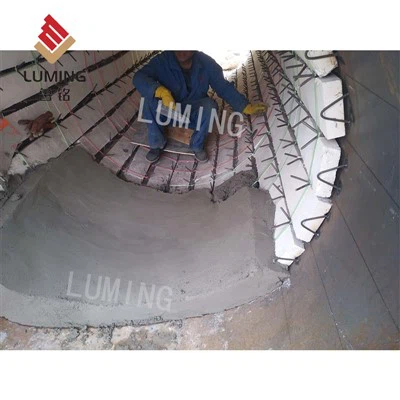
In the industrial landscape, regenerative burners play a pivotal role in enhancing energy efficiency and reducing operational costs in high - temperature processes such as those found in steelmaking, glass manufacturing, and ceramic production. As a regenerative burner supplier, I am often asked about the cost of replacing parts in a regenerative burner. This blog aims to delve into the various factors that influence these costs and provide a comprehensive understanding for potential customers.
Understanding the Regenerative Burner System
Before discussing the replacement costs, it's essential to have a basic understanding of a Regenerative Burner System. A regenerative burner system consists of several key components, including burners, heat accumulators, control valves, and baffle bricks. The primary function of a regenerative burner is to recover waste heat from the exhaust gases and use it to pre - heat the incoming combustion air. This process significantly reduces fuel consumption and emissions, making it an environmentally friendly and cost - effective solution for industrial heating applications.
Factors Affecting the Cost of Replacing Parts
1. Type of Part
Different parts of a regenerative burner have varying costs for replacement. For example, Baffle Bricks are relatively inexpensive compared to Ceramic Heat Accumulators. Baffle bricks are used to control the flow of gases within the burner and are typically made of refractory materials. They are subject to wear and tear due to high temperatures and chemical reactions, but their simple design and common materials keep the replacement cost low.


On the other hand, ceramic heat accumulators are the heart of the regenerative burner system. They are responsible for storing and transferring heat between the exhaust and intake air streams. These accumulators are made of high - quality ceramic materials with specific geometries to maximize heat transfer efficiency. The manufacturing process of ceramic heat accumulators is complex, involving precision engineering and high - temperature firing. As a result, the cost of replacing a ceramic heat accumulator is significantly higher than that of a baffle brick.
2. Material Quality
The quality of the materials used in the parts also has a substantial impact on the replacement cost. Higher - quality materials often offer better performance and longer service life but come at a higher price. For instance, in the case of baffle bricks, those made from advanced refractory materials with excellent thermal shock resistance and corrosion resistance will be more expensive than standard bricks. Similarly, ceramic heat accumulators made from premium - grade ceramics with high porosity and thermal conductivity will cost more but can provide more efficient heat recovery and reduce long - term operating costs.
3. Size and Capacity
The size and capacity of the regenerative burner system directly affect the cost of part replacement. Larger burners require larger parts, which generally cost more to manufacture and replace. For example, a large - scale industrial regenerative burner used in a steel mill will have much larger baffle bricks and ceramic heat accumulators compared to a small - scale burner used in a laboratory furnace. The increased material requirements and manufacturing complexity for larger parts contribute to the higher replacement costs.
4. Frequency of Use and Operating Conditions
The frequency of use and the operating conditions of the regenerative burner also influence the part replacement cost. Burners that operate continuously at high temperatures or in harsh chemical environments will experience more rapid wear and tear on their components. For example, in a glass - melting furnace, the high - temperature and corrosive nature of the glass - making process can cause the baffle bricks and ceramic heat accumulators to degrade faster. As a result, these parts will need to be replaced more frequently, increasing the overall cost of part replacement over time.
Cost Estimates for Common Part Replacements
Baffle Bricks
The cost of replacing baffle bricks can range from a few dollars to several tens of dollars per brick, depending on the size, material quality, and manufacturing process. For a small - to medium - sized regenerative burner, the total cost of replacing all baffle bricks may be in the range of a few hundred to a few thousand dollars. However, for large industrial burners, the cost can be significantly higher, potentially reaching tens of thousands of dollars.
Ceramic Heat Accumulators
Replacing ceramic heat accumulators is a more expensive proposition. The cost per unit can range from several hundred to several thousand dollars, depending on the size, material quality, and design complexity. For a typical industrial regenerative burner system, the cost of replacing all ceramic heat accumulators can be anywhere from $10,000 to $50,000 or more.
Strategies to Reduce Part Replacement Costs
Regular Maintenance
One of the most effective ways to reduce part replacement costs is through regular maintenance. By conducting routine inspections, cleaning, and minor repairs, potential issues can be identified and addressed before they lead to major component failures. For example, regular cleaning of the baffle bricks can prevent the buildup of deposits that can cause premature wear. Similarly, checking the integrity of the ceramic heat accumulators and replacing any damaged units early can extend the overall service life of the system.
Upgrading to High - Quality Parts
Although high - quality parts have a higher upfront cost, they can offer significant long - term savings. Investing in premium - grade baffle bricks and ceramic heat accumulators can reduce the frequency of part replacements and improve the overall efficiency of the regenerative burner system. This can result in lower fuel consumption and fewer production disruptions, ultimately offsetting the initial investment.
Optimizing Operating Conditions
Optimizing the operating conditions of the regenerative burner can also help reduce part replacement costs. This includes controlling the temperature, pressure, and chemical composition of the combustion process. By ensuring that the burner operates within the recommended parameters, the wear and tear on the components can be minimized. For example, maintaining a stable temperature can prevent thermal shock to the baffle bricks and ceramic heat accumulators, extending their service life.
Conclusion
The cost of replacing parts in a regenerative burner is influenced by multiple factors, including the type of part, material quality, size and capacity, and operating conditions. As a regenerative burner supplier, I understand the importance of providing high - quality parts at competitive prices while also helping customers reduce their overall part replacement costs.
If you are considering purchasing a regenerative burner system or need to replace parts in your existing system, I encourage you to reach out for a detailed consultation. Our team of experts can provide you with accurate cost estimates, recommend the most suitable parts for your specific application, and offer valuable advice on how to optimize your system's performance and reduce long - term costs. Contact us today to start the conversation and explore how our regenerative burner solutions can meet your industrial heating needs.
References
- Industrial Heating Handbook, Second Edition, by J. F. Elliott
- Refractory Materials: Properties and Selection, by R. N. Carter
- Energy - Efficient Combustion Systems, edited by M. A. Greenberg