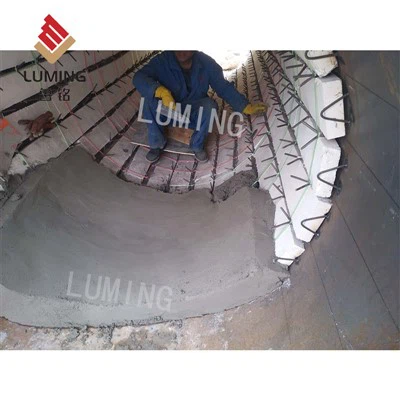
An electric kiln is a specialized heating device that uses electricity as its energy source to generate high temperatures for various industrial and artistic applications. As a reputable kiln and furnace supplier, I am well - versed in the intricacies of electric kilns, and I'm excited to share comprehensive insights about them.
Basic Principles of Electric Kilns
Electric kilns operate on a relatively straightforward principle. They are equipped with heating elements, typically made of materials like nichrome or silicon carbide. When an electric current passes through these heating elements, they resist the flow of electricity, which in turn generates heat according to Joule's law (Q = I²Rt, where Q is the heat generated, I is the current, R is the resistance, and t is the time). This heat is then transferred to the interior of the kiln chamber, where the materials to be processed are placed.
Types of Electric Kilns
Pottery Kilns
Pottery is one of the most common applications for electric kilns. These kilns are designed to fire clay objects at specific temperatures to transform them from soft, malleable forms into hard, durable ceramics. They usually have precise temperature controls, allowing potters to achieve different firing effects, such as bisque firing (around 900 - 1000°C) and glaze firing (around 1200 - 1300°C). Pottery kilns come in various sizes, from small table - top models suitable for hobbyists to large industrial - scale units for professional potters and ceramic manufacturers.
Industrial Electric Kilns
In industrial settings, electric kilns are used for a wide range of processes. For example, Ferromanganese Kiln is used in the production of ferromanganese, an alloy of iron and manganese. These kilns are designed to reach extremely high temperatures to smelt and refine the raw materials. The temperature control and atmosphere inside the kiln are carefully regulated to ensure the quality and purity of the final product.
Another type is the Pelletizing Rotary Kiln. It is used in the pelletizing process, where fine - grained materials are agglomerated into pellets. The rotary design of the kiln allows for continuous processing, improving efficiency and productivity. The high - temperature environment in the kiln helps to harden the pellets and enhance their physical properties.
Strontium Salt Kiln is also an important industrial electric kiln. It is used in the production of strontium salts, which have various applications in industries such as pyrotechnics, electronics, and medicine. The kiln needs to maintain a specific temperature and chemical environment to ensure the proper reaction and formation of the desired strontium salts.


Advantages of Electric Kilns
Clean and Environment - Friendly
Compared to kilns that use fossil fuels such as coal, oil, or gas, electric kilns produce no direct emissions of pollutants like sulfur dioxide, nitrogen oxides, or particulate matter. This makes them a more environmentally friendly option, especially in areas with strict environmental regulations. They also do not generate ash or soot, which can contaminate the products being fired.
Precise Temperature Control
Electric kilns offer excellent temperature control. Modern electric kilns are often equipped with digital controllers that allow users to set and maintain a specific temperature with high accuracy. This is crucial for applications where precise temperature is required, such as in the production of high - quality ceramics or in some industrial processes where the chemical reactions are highly temperature - dependent.
Safety
Electric kilns are generally safer to operate than fuel - fired kilns. There is no risk of gas leaks or explosions associated with natural gas or propane - fired kilns. Additionally, the electrical systems in modern electric kilns are designed with multiple safety features, such as over - temperature protection and short - circuit protection, to prevent accidents.
Ease of Use
They are relatively easy to install and operate. There is no need for complex fuel storage and delivery systems. Users can simply plug the kiln into a suitable electrical outlet and start the firing process. The control panels are usually user - friendly, with clear instructions and displays, making them accessible to both beginners and experienced users.
Disadvantages of Electric Kilns
High Energy Consumption
One of the main drawbacks of electric kilns is their relatively high energy consumption. The process of generating high temperatures requires a significant amount of electricity, which can lead to high operating costs, especially for large - scale industrial kilns. However, with the development of more energy - efficient heating elements and better insulation materials, the energy consumption of electric kilns has been gradually reduced.
Limited Size for Some Applications
In some cases, the size of electric kilns may be limited compared to fuel - fired kilns. This is because the power requirements for very large electric kilns can be extremely high, and the electrical infrastructure may not be able to support them. However, for most common applications, there are a wide range of sizes available to meet different needs.
Factors to Consider When Choosing an Electric Kiln
Temperature Range
The first factor to consider is the required temperature range for your application. Different materials and processes require different firing temperatures. For example, if you are a potter, you need to ensure that the kiln can reach the temperatures required for bisque and glaze firing. In industrial applications, the temperature requirements can be even more specific, depending on the nature of the chemical reactions involved.
Chamber Size
The size of the kiln chamber is also important. It should be large enough to accommodate the objects or materials you need to fire. However, you should also avoid choosing a kiln that is too large, as this can lead to higher energy consumption. Consider the maximum size of the items you will be firing and choose a kiln with an appropriate chamber size.
Heating Rate
The heating rate of the kiln refers to how quickly it can raise the temperature inside the chamber. A faster heating rate can save time, but it may also cause thermal shock to the materials being fired, especially for some delicate objects. On the other hand, a slower heating rate may be more suitable for certain materials that require a gradual temperature increase.
Control System
A good control system is essential for an electric kiln. Look for a kiln with a digital controller that allows you to set and monitor the temperature accurately. Some advanced control systems also offer programmable firing schedules, which can be very useful for complex firing processes.
Maintenance of Electric Kilns
Regular maintenance is crucial to ensure the proper operation and longevity of an electric kiln. Here are some key maintenance tasks:
- Inspect the Heating Elements: Check the heating elements regularly for signs of damage or wear. If a heating element is broken or worn out, it should be replaced promptly to ensure even heating.
- Clean the Kiln Chamber: Remove any debris, dust, or glaze drips from the kiln chamber after each firing. This helps to prevent contamination and ensures good heat transfer.
- Check the Insulation: Inspect the insulation materials inside the kiln to make sure they are in good condition. Damaged insulation can lead to heat loss and increased energy consumption.
- Test the Safety Features: Periodically test the safety features of the kiln, such as the over - temperature protection and the door switch. This helps to ensure the safety of the operator and the proper functioning of the kiln.
Conclusion
Electric kilns are versatile and important tools in various industries and artistic fields. They offer many advantages, such as clean operation, precise temperature control, and ease of use. However, they also have some limitations, such as high energy consumption and size restrictions in some cases. When choosing an electric kiln, it is important to consider factors such as temperature range, chamber size, heating rate, and control system. Regular maintenance is also essential to keep the kiln in good working condition.
If you are in the market for an electric kiln or any other type of kiln and furnace, we are here to help. As a professional kiln and furnace supplier, we have a wide range of products to meet your specific needs. Contact us for more information and to start a procurement discussion.
References
- “Kiln Technology Handbook”
- “Principles of Industrial Heating”