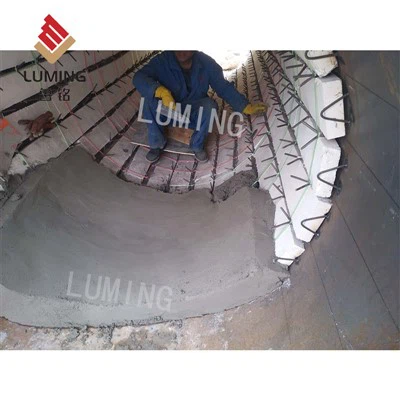
As a seasoned supplier of Spray Nozzle Bricks, I've been deeply involved in the industrial refractory field for years. One of the most frequently asked questions from our clients is about the heat resistance of spray nozzle bricks. In this blog, I'll delve into this topic, sharing insights based on our extensive experience and industry knowledge.
Understanding Spray Nozzle Bricks
Spray nozzle bricks are crucial components in various high - temperature industrial applications. They are designed to withstand extreme conditions while facilitating the efficient flow and dispersion of materials, such as molten metals or hot gases. These bricks are commonly used in furnaces, kilns, and other high - heat processing equipment.


Factors Affecting Heat Resistance
Material Composition
The heat resistance of spray nozzle bricks is primarily determined by their material composition. We use high - quality refractory materials, such as alumina, silica, and magnesia, in the production of our spray nozzle bricks. Alumina, for example, is known for its excellent thermal stability and high melting point. It can resist temperatures up to 2050°C, making it an ideal choice for applications where extreme heat is involved. Silica - based materials also offer good heat resistance and are often used in combination with other refractories to enhance the overall performance of the brick. Magnesia, on the other hand, is highly resistant to basic slags and can withstand high temperatures in alkaline environments.
Manufacturing Process
The manufacturing process also plays a significant role in determining the heat resistance of spray nozzle bricks. Our state - of - the - art manufacturing techniques ensure that the bricks have a dense and uniform structure. This is achieved through processes such as high - pressure pressing and sintering at high temperatures. The high - pressure pressing compacts the raw materials, reducing porosity and increasing the density of the brick. Sintering at high temperatures further strengthens the brick's structure, improving its mechanical properties and heat resistance.
Microstructure
The microstructure of the spray nozzle brick is another important factor. A well - controlled microstructure with fine - grained crystals and a low porosity can enhance heat transfer and reduce the risk of thermal shock. Our research and development team continuously works on optimizing the microstructure of our spray nozzle bricks to improve their heat resistance and overall performance.
Heat Resistance Testing
We conduct rigorous heat resistance testing on our spray nozzle bricks to ensure they meet the highest standards. Our testing methods include thermal cycling tests, where the bricks are subjected to repeated heating and cooling cycles to simulate real - world operating conditions. We also use high - temperature furnaces to test the bricks at different temperatures for extended periods. These tests allow us to accurately measure the heat resistance of the bricks and identify any potential weaknesses in their performance.
Applications and Heat Resistance Requirements
Steel Industry
In the steel industry, spray nozzle bricks are used in ladles, tundishes, and converters. These applications require bricks with high heat resistance as they are exposed to molten steel at temperatures around 1600 - 1700°C. Our spray nozzle bricks are specifically designed to withstand these extreme temperatures and the corrosive effects of molten steel and slag.
Glass Industry
The glass industry also relies on spray nozzle bricks for its high - temperature processes. Glass melting furnaces operate at temperatures between 1400 - 1600°C. The bricks used in these furnaces need to have excellent heat resistance and chemical stability to prevent contamination of the glass. Our products are well - suited for these applications, providing long - lasting performance in the harsh glass - making environment.
Comparison with Other Refractory Bricks
When compared to other types of refractory bricks, such as Regenerative Burner System, Baffle Brick, and Center - hole Brick, spray nozzle bricks have unique heat resistance characteristics. While regenerative burner system bricks are designed for efficient heat recovery and combustion, spray nozzle bricks focus more on withstanding direct contact with high - temperature materials. Baffle bricks are used to control the flow of gases and heat, and center - hole bricks are often used for specific structural purposes. Each type of brick has its own heat resistance requirements based on its application, but spray nozzle bricks are engineered to handle the most extreme heat and chemical exposure.
Maintaining Heat Resistance
To ensure the long - term heat resistance of spray nozzle bricks, proper installation and maintenance are essential. During installation, it is important to follow the manufacturer's guidelines to ensure a proper fit and seal. This helps to prevent heat leakage and extends the lifespan of the bricks. Regular inspection and maintenance are also necessary to detect any signs of wear or damage. If any issues are identified, prompt repairs or replacements should be carried out to maintain the heat resistance and performance of the bricks.
Conclusion
The heat resistance of spray nozzle bricks is a critical factor in their performance and suitability for high - temperature industrial applications. Through careful selection of materials, advanced manufacturing processes, and rigorous testing, we are able to provide spray nozzle bricks with excellent heat resistance. Whether you are in the steel, glass, or other high - temperature industries, our spray nozzle bricks can meet your specific requirements.
If you are interested in learning more about our spray nozzle bricks or have any questions regarding their heat resistance, please feel free to contact us for a detailed discussion and potential procurement. We are committed to providing you with the best solutions for your industrial needs.
References
- ASTM International. Standard Test Methods for Thermal Conductivity of Refractory Materials.
- ASM Handbook Volume 13: Corrosion. ASM International, 2003.
- "Refractories Handbook", edited by J. F. Davidson and R. A. Stubington.