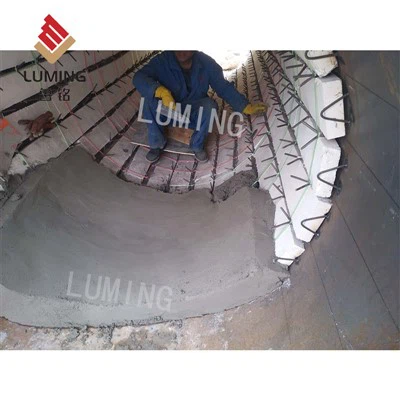
As a seasoned corundum brick supplier, I've witnessed firsthand the importance of understanding the maintenance costs associated with these high - performance refractory materials. Corundum bricks are renowned for their exceptional heat resistance, mechanical strength, and chemical stability, making them a popular choice in various industrial applications such as steelmaking, cement production, and glass manufacturing. However, like any other industrial asset, they come with their own set of maintenance requirements and costs.
Factors Affecting Maintenance Costs
1. Type of Corundum Brick
There are different types of corundum bricks, each with its own characteristics and maintenance needs. For example, Chrome - corundum Brick is known for its excellent corrosion resistance against slag and molten metals. This type of brick is often used in areas where contact with aggressive substances is high, such as in the lining of steel converters. The maintenance cost of chrome - corundum bricks can be relatively high due to the need for regular inspections to detect any signs of corrosion or erosion. If damage is detected, partial or complete replacement may be required, which can be expensive both in terms of the cost of the bricks themselves and the labor involved in the replacement process.
Zirconia - corundum Brick offers high thermal shock resistance and is commonly used in applications where rapid temperature changes occur, such as in glass melting furnaces. The maintenance of zirconia - corundum bricks focuses on preventing thermal stress - induced cracking. This may involve careful control of the heating and cooling rates during furnace operation, as well as periodic checks for any micro - cracks that could propagate over time. The cost of maintaining these bricks includes the cost of monitoring equipment and the energy consumption associated with maintaining stable operating temperatures.
Fused Corundum Brick is characterized by its high purity and density, providing superior mechanical strength and abrasion resistance. These bricks are often used in areas with high - velocity gas flow or where there is significant mechanical wear, such as in the cyclones of cement kilns. Maintenance of fused corundum bricks mainly involves dealing with wear and tear. Regular measurement of the brick thickness is necessary to determine when replacement is due. The cost of maintenance includes the cost of inspection tools, labor for measurement, and the cost of new bricks and installation.
2. Operating Conditions
The operating conditions in which corundum bricks are used have a significant impact on their maintenance costs. High - temperature environments can cause thermal expansion and contraction of the bricks, leading to cracking and spalling. In steelmaking, for example, the temperature in a basic oxygen furnace can reach up to 1700°C. To prevent damage from thermal stress, proper insulation and temperature control systems need to be in place. The cost of maintaining these systems, including the cost of insulation materials, temperature sensors, and control equipment, adds to the overall maintenance cost.
Chemical exposure is another important factor. In chemical plants or non - ferrous metal smelters, corundum bricks may be exposed to corrosive gases and liquids. The use of protective coatings or liners can help extend the lifespan of the bricks, but these additional protective measures come with their own costs. The cost of applying and reapplying coatings, as well as the cost of monitoring the effectiveness of the protection, should be considered in the maintenance budget.
3. Installation Quality
The quality of the initial installation of corundum bricks can greatly affect their long - term maintenance costs. Poor installation can lead to uneven stress distribution, gaps between bricks, and improper sealing. These issues can accelerate the deterioration of the bricks. For example, if there are gaps between the bricks, hot gases or molten materials can penetrate, causing internal damage. Ensuring proper installation requires skilled labor and strict adherence to installation guidelines. The cost of high - quality installation includes the labor cost of experienced installers, the cost of mortar and other installation materials, and the cost of quality control during the installation process.
Components of Maintenance Costs
1. Inspection and Monitoring
Regular inspection and monitoring are essential for detecting early signs of damage to corundum bricks. Non - destructive testing methods such as ultrasonic testing, X - ray inspection, and thermography can be used to detect internal cracks and other defects. The cost of inspection includes the purchase or rental of inspection equipment, the training of personnel to operate the equipment, and the time spent on inspections. In addition, continuous monitoring of operating parameters such as temperature, pressure, and gas composition can help identify potential problems before they cause significant damage to the bricks. The cost of monitoring equipment and data analysis should also be factored into the maintenance budget.
2. Repairs and Replacements
When damage to corundum bricks is detected, repairs or replacements may be necessary. Minor damage can sometimes be repaired by patching or grouting. The cost of repair materials, such as refractory mortar and patching compounds, as well as the labor cost of performing the repairs, are part of the maintenance cost. In cases where the damage is severe, complete replacement of the bricks may be required. The cost of new bricks, transportation, and installation can be substantial. Moreover, during the replacement process, there may be downtime for the industrial equipment, resulting in lost production. The cost of lost production should also be considered as an indirect maintenance cost.
3. Maintenance of Associated Systems
Corundum bricks are often part of a larger system, and the maintenance of associated systems can also affect the overall maintenance cost. For example, in a furnace, the burner system, ventilation system, and temperature control system all need to be maintained properly to ensure the optimal performance of the corundum bricks. The cost of maintaining these associated systems, including the cost of spare parts, labor for maintenance, and energy consumption, should be included in the total maintenance cost.


Strategies to Reduce Maintenance Costs
1. Proactive Maintenance
Implementing a proactive maintenance strategy can help reduce long - term maintenance costs. This involves regular inspections, preventive maintenance measures, and early detection and repair of problems. By identifying and addressing potential issues before they become serious, the need for major repairs or replacements can be minimized. For example, conducting regular thickness measurements of the bricks can help determine the remaining service life and plan for replacement in advance, reducing the risk of unexpected breakdowns and production losses.
2. Training and Education
Providing training and education to operators and maintenance personnel is crucial for reducing maintenance costs. Well - trained personnel are more likely to operate the equipment correctly, detect problems early, and perform maintenance tasks effectively. Training programs can cover topics such as operating procedures, inspection techniques, and repair methods. The cost of training should be seen as an investment that can lead to significant savings in maintenance costs over time.
3. Quality Assurance
Ensuring the quality of corundum bricks from the source is essential. Working with a reliable supplier who provides high - quality bricks can reduce the likelihood of premature failure and the need for frequent replacements. A good supplier should have strict quality control measures in place, provide detailed product specifications, and offer technical support. By choosing the right supplier, the long - term maintenance cost can be effectively reduced.
Conclusion
In conclusion, the maintenance costs of corundum bricks are influenced by various factors, including the type of brick, operating conditions, and installation quality. The components of maintenance costs include inspection and monitoring, repairs and replacements, and the maintenance of associated systems. By understanding these factors and components, and implementing effective maintenance strategies, industrial users can manage the maintenance costs of corundum bricks more efficiently.
If you are interested in purchasing high - quality corundum bricks and need more information on maintenance and cost - saving strategies, please feel free to contact us. We are committed to providing you with the best products and services to meet your industrial needs.
References
- "Refractory Technology Handbook", John Wiley & Sons
- "Industrial Furnaces: Principles, Design, and Operation", Elsevier
- Industry reports on refractory materials from market research firms.