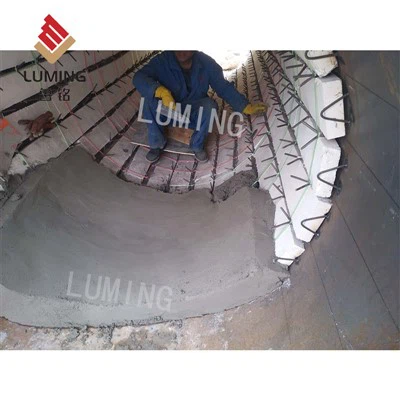
Hey there! I'm a supplier of Ferronickel Kilns, and I've seen firsthand how crucial it is to pick the right refractory materials. These materials are like the unsung heroes of the Ferronickel Kiln world, protecting the kiln from the intense heat and wear and tear. In this blog, I'll share some tips on how to select the best refractory materials for your Ferronickel Kiln.
Understanding the Basics of Refractory Materials
Before we dive into the selection process, let's quickly go over what refractory materials are. Refractory materials are substances that can withstand high temperatures without melting or deforming. They're used in a variety of industries, including Circulating Fluidized Bed (cfb), Coke Oven, and Cement Kiln, to line the inside of furnaces and kilns.
In a Ferronickel Kiln, refractory materials play a vital role in maintaining the structural integrity of the kiln and ensuring efficient operation. They protect the kiln shell from the extreme heat generated during the smelting process and prevent heat loss, which can improve energy efficiency.
Factors to Consider When Selecting Refractory Materials
Now, let's talk about the key factors you should consider when choosing refractory materials for your Ferronickel Kiln.
Temperature Resistance
The first and most important factor is temperature resistance. Ferronickel Kilns operate at extremely high temperatures, typically ranging from 1,400°C to 1,600°C. You need to select refractory materials that can withstand these temperatures without losing their strength or integrity.
Some common refractory materials with high-temperature resistance include alumina, magnesia, and zirconia. Alumina-based refractories are widely used in Ferronickel Kilns due to their excellent thermal stability and resistance to corrosion. Magnesia refractories are also popular, especially in areas where the kiln is exposed to high levels of alkaline slag. Zirconia refractories offer superior thermal shock resistance and are often used in critical areas of the kiln.
Chemical Resistance
In addition to high temperatures, Ferronickel Kilns are also exposed to various chemical substances, such as slag, gases, and metal oxides. These chemicals can react with the refractory materials and cause corrosion, erosion, and spalling. Therefore, it's essential to choose refractory materials that have good chemical resistance.
The chemical composition of the slag and gases in your Ferronickel Kiln will determine the type of refractory material you need. For example, if your kiln produces a high amount of acidic slag, you'll need a refractory material that is resistant to acid attack, such as silica or alumina-silica refractories. On the other hand, if your kiln produces alkaline slag, you'll need a refractory material that is resistant to alkaline attack, such as magnesia or dolomite refractories.
Thermal Shock Resistance
Thermal shock is another significant challenge in Ferronickel Kilns. During the heating and cooling cycles of the kiln, the refractory materials are subjected to rapid temperature changes, which can cause them to crack and spall. To prevent this, you need to select refractory materials that have good thermal shock resistance.
Materials with low thermal expansion coefficients and high thermal conductivity are generally more resistant to thermal shock. For example, graphite and silicon carbide refractories have excellent thermal shock resistance and are often used in areas of the kiln that are exposed to rapid temperature changes, such as the burner zone and the discharge area.


Abrasion Resistance
The interior of a Ferronickel Kiln is also subject to abrasion from the movement of the charge materials and the flow of gases. This can cause the refractory materials to wear down over time, reducing their lifespan and performance. Therefore, it's important to choose refractory materials that have good abrasion resistance.
Refractory materials with high hardness and density are generally more resistant to abrasion. For example, alumina-based refractories and silicon carbide refractories are known for their excellent abrasion resistance and are often used in areas of the kiln that are exposed to high levels of abrasion, such as the kiln lining and the chute.
Installation and Maintenance
Finally, you need to consider the installation and maintenance requirements of the refractory materials. Some refractory materials are easier to install and maintain than others, which can save you time and money in the long run.
For example, monolithic refractories, such as castables and gunning materials, are relatively easy to install and can be applied directly to the kiln surface. They also offer good performance and durability, making them a popular choice for Ferronickel Kilns. On the other hand, brick refractories require more skill and labor to install, but they offer better insulation and are more resistant to chemical attack.
Types of Refractory Materials for Ferronickel Kilns
Based on the factors discussed above, here are some of the most common types of refractory materials used in Ferronickel Kilns:
Alumina Refractories
Alumina refractories are one of the most widely used refractory materials in Ferronickel Kilns. They offer excellent thermal stability, chemical resistance, and abrasion resistance. Alumina refractories can be further classified into different types based on their alumina content, such as high-alumina refractories (containing more than 90% alumina) and low-alumina refractories (containing less than 50% alumina).
High-alumina refractories are often used in the critical areas of the kiln, such as the burner zone and the hearth, where they are exposed to high temperatures and chemical attack. Low-alumina refractories are typically used in the less critical areas of the kiln, such as the kiln lining and the insulation layer.
Magnesia Refractories
Magnesia refractories are another popular choice for Ferronickel Kilns, especially in areas where the kiln is exposed to high levels of alkaline slag. They offer excellent resistance to alkaline attack and high-temperature stability. Magnesia refractories can be further classified into different types based on their magnesia content, such as dead-burned magnesia refractories and fused magnesia refractories.
Dead-burned magnesia refractories are made by calcining magnesite at high temperatures. They have a high density and excellent resistance to corrosion and erosion. Fused magnesia refractories are made by melting magnesite in an electric arc furnace. They have a higher purity and better thermal shock resistance than dead-burned magnesia refractories.
Carbon Refractories
Carbon refractories, such as graphite and carbon bricks, are known for their excellent thermal conductivity and thermal shock resistance. They are often used in areas of the kiln that are exposed to rapid temperature changes, such as the burner zone and the discharge area. Carbon refractories also offer good resistance to chemical attack and abrasion.
However, carbon refractories are susceptible to oxidation at high temperatures, which can reduce their lifespan. To prevent oxidation, carbon refractories are often coated with a protective layer of ceramic or metal.
Monolithic Refractories
Monolithic refractories, such as castables, gunning materials, and ramming materials, are becoming increasingly popular in Ferronickel Kilns due to their ease of installation and good performance. Monolithic refractories can be applied directly to the kiln surface using various methods, such as casting, gunning, or ramming.
Castables are the most commonly used monolithic refractories in Ferronickel Kilns. They are made by mixing refractory aggregates, binders, and additives with water to form a workable paste. Castables can be poured into molds or applied directly to the kiln surface using a pump or a trowel.
Conclusion
Selecting the right refractory materials for your Ferronickel Kiln is a critical decision that can have a significant impact on the performance and lifespan of your kiln. By considering factors such as temperature resistance, chemical resistance, thermal shock resistance, abrasion resistance, and installation and maintenance requirements, you can choose the best refractory materials for your specific application.
As a Ferronickel Kiln supplier, I have extensive experience in helping customers select the right refractory materials for their kilns. If you're in the process of choosing refractory materials for your Ferronickel Kiln, or if you have any questions or concerns, please don't hesitate to contact me. I'd be happy to discuss your needs and provide you with expert advice and guidance. Let's work together to ensure the efficient and reliable operation of your Ferronickel Kiln.
References
- "Refractory Materials Handbook" by Philip J. McGonagle
- "High-Temperature Materials and Technologies" by David S. Ginley and David Cahen
- "Industrial Furnaces: Principles, Design, and Operation" by S. K. Gupta