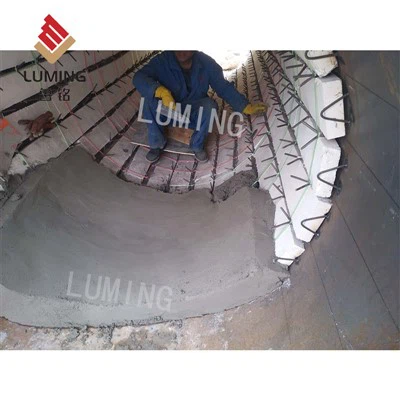
Hey there! As a ramming mass supplier, I often get asked about the storage conditions of ramming mass. It's a crucial topic because proper storage can significantly impact the quality and performance of this material. So, let's dive right in and explore what the ideal storage conditions for ramming mass are.
First off, what exactly is ramming mass? Well, ramming mass is an unshaped refractory material that's used in various industrial applications, like lining furnaces. There are different types, such as Magnesia-based Ramming Mix, Alumina-silica Ramming Mix, and Sic-based Ramming Mix. Each type has its own unique properties and uses, but they all share some common storage requirements.
Temperature
Temperature plays a vital role in storing ramming mass. Generally, ramming mass should be stored in a place where the temperature is relatively stable. Extreme temperatures can have a negative effect on the material.
If it's stored in a very hot environment, the ramming mass can start to dry out too much. This can cause the particles to become more brittle and less cohesive. When you try to use it later, it might not ram properly, and the lining might not have the desired strength and durability. On the other hand, if it's stored in extremely cold conditions, the moisture in the ramming mass can freeze. When the ice thaws, it can change the consistency of the material and affect its performance.
A good rule of thumb is to store ramming mass in an area where the temperature ranges from around 10°C to 30°C (50°F to 86°F). This temperature range helps to keep the ramming mass in good condition, maintaining its plasticity and other properties.
Humidity
Humidity is another key factor. Ramming mass is sensitive to moisture. High humidity can cause the ramming mass to absorb water from the air. This extra moisture can lead to several problems.
For one, it can cause the ramming mass to clump together. These clumps are difficult to break up and can result in an uneven lining when the ramming mass is used. Also, the excess moisture can react with some of the chemical components in the ramming mass, altering its chemical properties. This can reduce its refractoriness and make it less effective in high-temperature applications.
To prevent these issues, ramming mass should be stored in a dry environment. A humidity level of less than 60% is ideal. You can use dehumidifiers in the storage area if the natural humidity is too high. And make sure the storage space is well-ventilated to allow any moisture to escape.
Storage Containers
The type of container you use to store ramming mass is also important. It should be able to protect the material from external elements like dust, moisture, and physical damage.
Sealed plastic bags or drums are great options. Plastic bags can be easily sealed to keep out moisture and dust. If you're using drums, make sure they have tight - fitting lids. This will prevent any unwanted substances from getting into the ramming mass.
Label the containers clearly with the type of ramming mass, the date of storage, and any other relevant information. This will help you keep track of the inventory and ensure that you use the oldest stock first.
Protection from Physical Damage
Ramming mass should be protected from physical damage. It can be easily damaged by dropping, crushing, or rough handling.
When storing the ramming mass, stack the containers carefully. Don't stack them too high, as the weight of the upper containers can crush the ones below. Also, make sure the storage area is free from any heavy machinery or equipment that could accidentally hit the ramming mass containers.
Shelf Life
Ramming mass has a limited shelf life. Even if it's stored under the best conditions, its properties will gradually change over time.
The shelf life can vary depending on the type of ramming mass. Some types might have a shelf life of 6 months to a year, while others could last up to two years. It's important to check the manufacturer's recommendations for the specific ramming mass you're using.
Keep track of the storage date and try to use the ramming mass within its recommended shelf life. Using expired ramming mass can lead to sub - standard performance and potential problems in your industrial processes.
Separation of Different Types
If you're storing different types of ramming mass, it's essential to keep them separate. Different types of ramming mass have different chemical compositions and properties. Mixing them accidentally can lead to unpredictable results.


Store each type in a different area or on different shelves. And make sure that the storage containers are clearly labeled so that there's no confusion.
Inspection
Regularly inspect the stored ramming mass. Check for any signs of damage, clumping, or changes in appearance. If you notice any issues, take appropriate action.
For example, if you see some clumps in the ramming mass, you can try to break them up gently. But if the clumping is severe or if there are other signs of significant deterioration, it might be best to discard the ramming mass.
Handling During Storage
When moving the ramming mass containers during storage, handle them with care. Use proper lifting equipment if the containers are heavy. Avoid dragging the containers on rough surfaces, as this can cause abrasion and damage to the containers.
In conclusion, proper storage of ramming mass is essential for maintaining its quality and performance. By controlling the temperature, humidity, using the right storage containers, protecting it from physical damage, and being aware of its shelf life, you can ensure that your ramming mass is in top - notch condition when you need to use it.
If you're in the market for high - quality ramming mass or have any questions about its storage or usage, feel free to reach out. We're here to help you with all your ramming mass needs. Let's have a chat and see how we can work together to meet your industrial requirements.
References
- General knowledge of refractory materials and their storage from years of experience in the ramming mass supply industry.
- Manufacturer's guidelines for different types of ramming mass.