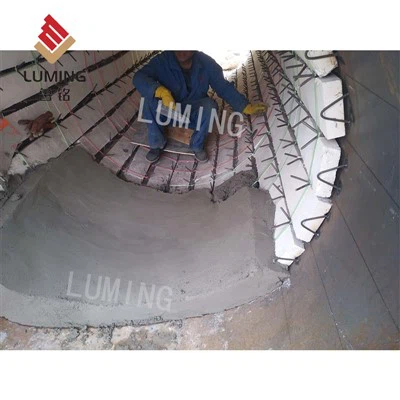
Hey there! As a supplier of roasting kilns, I've heard a lot of concerns from customers about the noise these kilns make. It can be a real pain, not just for the operators but also for anyone in the vicinity. In this blog, I'm gonna share some tips on how to reduce the noise of a roasting kiln.
First off, let's understand where the noise comes from. Roasting kilns are complex machines, and the noise can be generated from various sources. The main culprits are usually the moving parts, like the motors, gears, and the rotation of the kiln itself. Also, the combustion process inside the kiln can produce a significant amount of noise.
1. Regular Maintenance
One of the simplest and most effective ways to reduce noise is through regular maintenance. Just like a car, a roasting kiln needs proper care to run smoothly. Loose parts can vibrate and create extra noise. So, make sure to check all the bolts, nuts, and connections regularly. Tighten any that are loose.
The bearings in the kiln are also crucial. Over time, they can wear out, which leads to increased friction and noise. Replace worn - out bearings as soon as you notice any signs of damage. Lubrication is another key aspect. Keep all the moving parts well - lubricated. This reduces friction and the noise that comes with it.
2. Sound - Insulating Enclosures
Installing a sound - insulating enclosure around the roasting kiln is a great way to contain the noise. These enclosures are made of materials that absorb and dampen sound waves. There are different types of enclosures available, from simple DIY - style ones to more complex, custom - made solutions.
When choosing an enclosure, consider the size and shape of your kiln. It should fit snugly around the kiln to be effective. Also, make sure it allows for proper ventilation. The kiln generates a lot of heat, and if the enclosure restricts airflow, it can cause overheating problems.
3. Vibration Isolation
Vibration is a major contributor to noise. To reduce vibration, you can use vibration isolation mounts. These mounts are placed between the kiln and the floor or the supporting structure. They absorb the vibrations and prevent them from being transferred to the surrounding area.
There are different types of vibration isolation mounts, such as rubber mounts and spring mounts. Rubber mounts are great for smaller kilns, as they are relatively inexpensive and easy to install. Spring mounts are more suitable for larger, heavier kilns. They can handle more weight and provide better vibration isolation.
4. Upgrading the Motor
The motor is one of the noisiest parts of a roasting kiln. If your kiln has an old, noisy motor, consider upgrading it. Newer motors are often designed to be more energy - efficient and quieter. Look for motors with advanced noise - reduction features, such as improved insulation and better - balanced rotors.
When upgrading the motor, make sure it has the right power and torque for your kiln. A motor that is too small won't be able to operate the kiln properly, while a motor that is too large can be wasteful and may still produce a lot of noise.
5. Optimizing the Combustion Process
The combustion process inside the kiln can be a significant source of noise. To reduce this noise, you can optimize the combustion process. Make sure the fuel - air mixture is correct. An improper mixture can lead to uneven combustion, which causes more noise.
Regularly clean the burners. Over time, they can get clogged with dirt and debris, which affects the combustion process. A clean burner ensures a more efficient and quieter combustion.
Specific Types of Roasting Kilns and Noise Reduction
Now, let's talk about some specific types of roasting kilns. If you're interested in Ferronickel Kiln, the noise reduction methods we've discussed still apply. However, due to the nature of the process, the kiln may generate more heat and noise. So, you may need to use more heavy - duty sound - insulating enclosures and better vibration isolation.

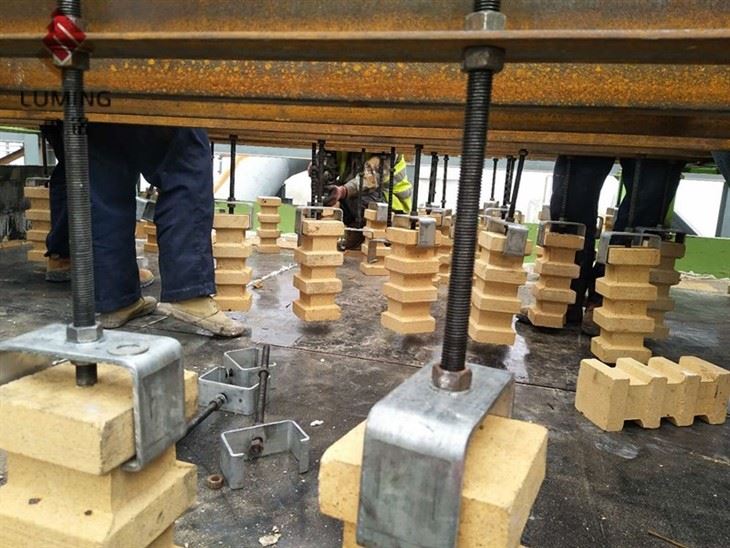
The Magnesium Metal Reduction Furnace also has its own unique characteristics. The chemical reactions inside the furnace can produce high - pitched noises. In addition to the general noise - reduction techniques, you may need to pay extra attention to the ventilation system. Proper ventilation can help reduce the pressure build - up that causes some of the noise.
For the Pelletizing Rotary Kiln, the rotation of the kiln is a major source of noise. Focus on the bearings and the drive system. Make sure they are well - maintained and properly aligned. This can significantly reduce the noise caused by the rotation.
Conclusion
Reducing the noise of a roasting kiln is not only beneficial for the comfort of the operators and those around the kiln but also for the overall efficiency and lifespan of the kiln. By following these tips, you can make your roasting kiln a lot quieter.
If you're in the market for a new roasting kiln or need help with noise reduction for your existing one, don't hesitate to reach out. We're here to assist you in finding the best solutions for your specific needs. Whether it's choosing the right kiln, installing a sound - insulating enclosure, or upgrading the motor, we've got you covered. Contact us today to start the conversation about your roasting kiln requirements.
References
- Industrial Noise Control Handbook, Second Edition by Clarence W. Harris
- Machinery Vibration and Rotordynamics by D. G. Childs
- Combustion Engineering by V. G. Agrawal