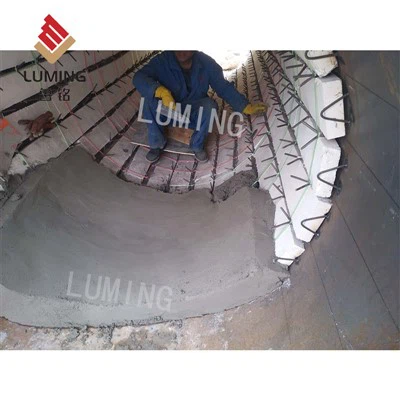
Hey there! As a supplier of Lime Kilns, I'm super excited to talk about the amazing uses of the lime produced by these kilns. Lime, also known as quicklime or calcium oxide, is a versatile and essential material with a wide range of applications across various industries. So, let's dive right in and explore the many uses of lime!
1. Construction Industry
One of the most common uses of lime is in the construction industry. Lime has been used in construction for thousands of years, and it continues to be a popular choice today. In building materials, lime can be used as a binder in mortar and plaster. Mortar made with lime has excellent workability, allowing masons to easily shape and place bricks and stones. It also provides good adhesion, ensuring that the bricks stay firmly in place.
Lime plaster, on the other hand, is breathable, which means it allows moisture to pass through. This helps prevent dampness and mold growth in buildings, making it ideal for use in historic buildings and homes. Additionally, lime can be used to stabilize soil in road construction. When lime is added to soil, it reacts with the clay particles, reducing their plasticity and increasing their strength. This makes the soil more suitable for building roads and foundations.
2. Environmental Applications
Lime plays a crucial role in environmental protection. In wastewater treatment plants, lime is used to adjust the pH of the water. Many industrial processes produce acidic wastewater, which can be harmful to the environment if not treated properly. By adding lime to the wastewater, the pH can be raised to a more neutral level, making it easier to remove pollutants.
Lime is also used in flue gas desulfurization (FGD) systems in power plants. These systems are designed to remove sulfur dioxide (SO2) from the exhaust gases produced by burning fossil fuels. Lime reacts with SO2 to form calcium sulfate, which can be removed from the gas stream. This helps reduce air pollution and prevent acid rain.
Another environmental application of lime is in hazardous waste management. Lime can be used to treat hazardous waste, such as heavy metals and organic compounds. When lime is added to hazardous waste, it can immobilize the contaminants, making them less likely to leach into the environment. Check out our Hazardous Waste Incineration Kiln for more information on how we can help with hazardous waste treatment.
3. Agriculture
In agriculture, lime is used to improve soil quality. Many soils are acidic, which can limit the growth of plants. By adding lime to the soil, the pH can be raised, making the soil more alkaline. This helps to release nutrients, such as nitrogen, phosphorus, and potassium, which are essential for plant growth. Lime also helps to improve soil structure, making it easier for plant roots to penetrate the soil and access water and nutrients.
Lime can also be used as a pesticide and fungicide. It can help control pests and diseases in crops, reducing the need for chemical pesticides. Additionally, lime can be used to treat animal waste. When lime is added to animal manure, it helps to reduce odor and kill pathogens, making the manure safer to handle and use as fertilizer.
4. Chemical Industry
The chemical industry is another major consumer of lime. Lime is used in the production of a wide range of chemicals, including calcium carbide, calcium carbonate, and sodium carbonate. Calcium carbide is used in the production of acetylene gas, which is used in welding and cutting. Calcium carbonate is used in the production of paper, plastics, and paints. Sodium carbonate, also known as soda ash, is used in the production of glass, detergents, and chemicals.
Lime is also used as a catalyst in some chemical reactions. It can help speed up the reaction rate and improve the yield of the desired product. In the production of biodiesel, for example, lime can be used as a catalyst to convert vegetable oils and animal fats into biodiesel.
5. Metallurgy
In the metallurgical industry, lime is used in the production of steel and other metals. In steelmaking, lime is added to the furnace to remove impurities, such as sulfur and phosphorus, from the iron. This helps to improve the quality of the steel and make it stronger and more durable. Lime is also used in the production of non-ferrous metals, such as aluminum and copper. In the Alumina Calcination Kiln, lime is used to calcine alumina, which is a key step in the production of aluminum.
6. Food and Beverage Industry
Lime is also used in the food and beverage industry. In the production of sugar, lime is used to clarify the sugarcane juice. It helps to remove impurities and improve the color and quality of the sugar. Lime is also used in the production of pickles and other preserved foods. It can help to preserve the food and give it a tangy flavor.
In the brewing industry, lime can be used to adjust the pH of the water used in brewing. This helps to ensure that the yeast can ferment the sugars in the wort properly, resulting in a better-quality beer.
7. Other Uses
There are many other uses of lime as well. Lime is used in the production of glass, where it helps to lower the melting point of the glass and improve its clarity. It is also used in the production of rubber, where it can be used as a filler and a vulcanizing agent.
In the textile industry, lime can be used to remove impurities from cotton and other fibers. It can also be used to bleach and dye fabrics.
As you can see, lime produced by a Lime Kiln has a wide range of uses across various industries. Whether you're in the construction, environmental, agriculture, chemical, metallurgy, food and beverage, or any other industry, lime can play an important role in your operations.
If you're interested in purchasing a Lime Kiln or learning more about our products and services, please don't hesitate to get in touch with us. We're here to help you find the right solution for your needs.


References
- "Lime: Its Production and Uses" by the National Lime Association.
- "Environmental Applications of Lime" by the U.S. Environmental Protection Agency.
- "Lime in Agriculture" by the University of Minnesota Extension.
- "Lime in the Chemical Industry" by the Chemical Manufacturers Association.