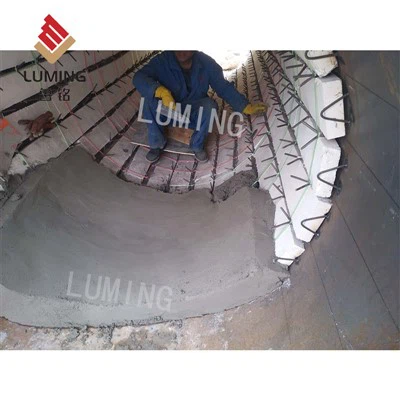
Silica bricks are widely used in various industrial applications due to their excellent thermal properties and high refractoriness. As a silica brick supplier, I understand the importance of proper maintenance to ensure the longevity and performance of these bricks. In this blog post, I will share some valuable insights on how to maintain silica bricks effectively.
Understanding Silica Bricks
Before delving into maintenance tips, it's essential to understand the characteristics of silica bricks. Silica bricks are made primarily from silica (SiO₂) and have a high melting point, typically around 1710°C. They are known for their good thermal shock resistance, low thermal expansion, and high load-bearing capacity at high temperatures. These properties make them suitable for use in furnaces, kilns, and other high-temperature applications.
There are different types of silica bricks available in the market, including Sintered Silicon Bricks, Silica Refractory Brick, and Semi-silica Brick. Each type has its own unique properties and applications, so it's important to choose the right type of silica brick for your specific needs.
Proper Installation
The first step in maintaining silica bricks is to ensure proper installation. Incorrect installation can lead to premature failure of the bricks, so it's crucial to follow the manufacturer's instructions carefully. Here are some key points to keep in mind during installation:
- Surface Preparation: The surface where the silica bricks will be installed should be clean, dry, and free of any debris or contaminants. Any unevenness or irregularities in the surface should be corrected before installation to ensure a proper fit.
- Mortar Selection: The type of mortar used for installing silica bricks is critical. It should have similar thermal properties to the bricks to prevent differential expansion and contraction, which can cause cracking. Consult with the manufacturer or a refractory expert to select the appropriate mortar for your application.
- Brick Placement: Silica bricks should be placed carefully to ensure proper alignment and spacing. Avoid over-tightening the bricks during installation, as this can cause internal stresses and lead to cracking. Leave a small expansion joint between the bricks to allow for thermal expansion.
Temperature Control
One of the most important factors in maintaining silica bricks is temperature control. Silica bricks have a specific temperature range within which they perform optimally. Exceeding this temperature range can cause the bricks to expand, contract, or even melt, leading to damage. Here are some tips for controlling the temperature:
- Gradual Heating and Cooling: When starting up or shutting down a furnace or kiln, it's important to heat or cool the silica bricks gradually. Rapid temperature changes can cause thermal shock, which can lead to cracking and spalling of the bricks. Follow the recommended heating and cooling rates provided by the manufacturer.
- Avoid Overheating: Do not exceed the maximum operating temperature of the silica bricks. Overheating can cause the bricks to lose their structural integrity and reduce their lifespan. Monitor the temperature regularly using thermocouples or other temperature monitoring devices.
- Insulation: Proper insulation can help to maintain a stable temperature inside the furnace or kiln and reduce heat loss. Use high-quality insulation materials to insulate the walls and roof of the furnace or kiln.
Chemical Resistance
Silica bricks are generally resistant to most chemicals, but they can be attacked by certain substances, such as alkalis and acids. Exposure to these chemicals can cause the bricks to corrode and deteriorate over time. Here are some tips for protecting silica bricks from chemical attack:
- Choose the Right Brick Type: Some silica bricks are more resistant to chemical attack than others. If your application involves exposure to chemicals, choose a silica brick that is specifically designed for chemical resistance.
- Coating and Linings: Applying a protective coating or lining to the surface of the silica bricks can help to prevent chemical attack. There are various types of coatings and linings available, such as ceramic coatings and refractory linings. Consult with a refractory expert to choose the appropriate coating or lining for your application.
- Proper Ventilation: Good ventilation is essential to remove any harmful chemicals or gases from the furnace or kiln. This can help to reduce the concentration of chemicals in the environment and minimize the risk of chemical attack.
Regular Inspection and Maintenance
Regular inspection and maintenance are crucial for detecting and addressing any issues with the silica bricks before they become serious. Here are some tips for inspecting and maintaining silica bricks:
- Visual Inspection: Conduct regular visual inspections of the silica bricks to look for any signs of damage, such as cracks, spalling, or erosion. Check the joints between the bricks for any signs of leakage or deterioration.
- Thickness Measurement: Periodically measure the thickness of the silica bricks to monitor their wear and tear. If the thickness of the bricks has decreased significantly, it may be necessary to replace them.
- Cleaning: Keep the silica bricks clean by removing any dirt, debris, or slag that may accumulate on the surface. Use a soft brush or compressed air to clean the bricks. Avoid using abrasive cleaners or tools, as these can damage the surface of the bricks.
Storage and Handling
Proper storage and handling of silica bricks are also important to prevent damage. Here are some tips for storing and handling silica bricks:


- Store in a Dry Place: Silica bricks should be stored in a dry place to prevent them from absorbing moisture. Moisture can cause the bricks to expand and crack, especially during heating.
- Protect from Physical Damage: During storage and handling, take care to protect the silica bricks from physical damage, such as impact or abrasion. Use appropriate lifting and handling equipment to avoid dropping or damaging the bricks.
- Follow Stacking Guidelines: When stacking silica bricks, follow the manufacturer's stacking guidelines to ensure stability and prevent collapse. Do not stack the bricks too high, as this can cause the bottom bricks to become damaged.
Conclusion
Maintaining silica bricks is essential for ensuring their longevity and performance. By following the tips outlined in this blog post, you can effectively maintain your silica bricks and extend their lifespan. Remember to choose the right type of silica brick for your application, ensure proper installation, control the temperature, protect the bricks from chemical attack, conduct regular inspections and maintenance, and store and handle the bricks properly.
If you have any questions or need further information about silica bricks or their maintenance, please feel free to contact us. We are a leading silica brick supplier and can provide you with high-quality products and professional advice. We look forward to working with you and helping you meet your refractory needs.
References
- "Refractory Materials Handbook" by John N. Redden
- "Thermal Engineering: Principles and Applications" by Cengel and Boles
- Manufacturer's technical documentation for silica bricks