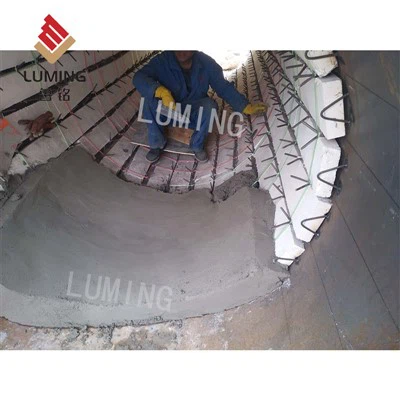
Hey there! As a supplier of Ferromanganese Kilns, I've seen a lot of these kilns come and go. One of the most common questions I get from customers is, "How can I extend the lifespan of my Ferromanganese Kiln?" Well, you're in luck because I'm about to share some tips and tricks that I've picked up over the years.
Understanding the Ferromanganese Kiln
First things first, let's talk a bit about what a Ferromanganese Kiln is and how it works. A Ferromanganese Kiln is a specialized industrial furnace used to produce ferromanganese, an alloy of iron and manganese. The process involves heating a mixture of manganese ore, iron ore, and coke to high temperatures in a reducing atmosphere. This causes the manganese and iron oxides to be reduced to their metallic forms, which then combine to form ferromanganese.
The lifespan of a Ferromanganese Kiln can be affected by a variety of factors, including the quality of the materials used in its construction, the operating conditions, and the maintenance practices. By understanding these factors and taking appropriate steps, you can significantly extend the lifespan of your kiln.
Choosing the Right Materials
The quality of the materials used in the construction of your Ferromanganese Kiln is crucial. High - quality refractory materials are essential for withstanding the high temperatures and corrosive environments inside the kiln. Look for refractory materials that have high thermal shock resistance, good abrasion resistance, and low porosity.
When it comes to the metal components of the kiln, such as the shell and the internal structures, use high - grade steel alloys. These alloys should be able to resist oxidation, corrosion, and mechanical stress. Investing in high - quality materials upfront may cost more, but it will pay off in the long run by reducing the need for frequent repairs and replacements.
Optimizing Operating Conditions
The way you operate your Ferromanganese Kiln can have a huge impact on its lifespan. Here are some key operating conditions to consider:
Temperature Control
Maintaining a stable and appropriate temperature is vital. Fluctuations in temperature can cause thermal stress on the refractory lining and other components of the kiln. Use advanced temperature control systems to monitor and adjust the temperature accurately. Avoid overheating the kiln, as this can accelerate the degradation of the refractory materials.
Gas Flow and Pressure
Proper gas flow and pressure are necessary for efficient operation and to prevent damage to the kiln. Ensure that the gas flow is evenly distributed throughout the kiln to avoid hot spots. Monitor the pressure inside the kiln regularly and make adjustments as needed. An imbalance in pressure can lead to gas leaks, which can be dangerous and also cause damage to the kiln's internal structures.
Feed Quality and Quantity
The quality and quantity of the feed materials can also affect the kiln's lifespan. Use high - quality manganese ore, iron ore, and coke with consistent chemical compositions. Avoid feeding materials with high levels of impurities, as these can react with the refractory materials and cause corrosion. Also, make sure to feed the materials at a consistent rate to prevent overloading the kiln.
Regular Maintenance
Regular maintenance is the key to extending the lifespan of any industrial equipment, and a Ferromanganese Kiln is no exception. Here are some maintenance tasks that you should perform regularly:
Inspections
Conduct regular visual inspections of the kiln to check for signs of wear, damage, or corrosion. Look for cracks in the refractory lining, leaks in the gas pipes, and any other visible issues. Inspect the internal structures, such as the support beams and the agitators, for signs of deformation or damage.
Refractory Repair and Replacement
Over time, the refractory lining of the kiln will wear out. It's important to repair or replace the damaged refractory materials as soon as possible. Small cracks can be repaired using refractory patching materials, while more extensive damage may require a complete replacement of the lining. Regularly monitor the thickness of the refractory lining and plan for replacement before it reaches a critical level.
Cleaning
Keep the kiln clean by removing any accumulated dust, slag, or other debris. This can prevent blockages in the gas flow channels and also reduce the risk of corrosion. Use appropriate cleaning methods and tools to avoid damaging the kiln's internal components.
Training and Operator Competence
The competence of the operators is another important factor in extending the lifespan of the Ferromanganese Kiln. Provide comprehensive training to your operators on the proper operation and maintenance of the kiln. Make sure they understand the importance of following the operating procedures and safety guidelines.
Encourage operators to report any unusual noises, vibrations, or other signs of potential problems immediately. A well - trained operator can detect issues early and take appropriate action to prevent further damage.
Advanced Technologies and Upgrades
Consider investing in advanced technologies and upgrades for your Ferromanganese Kiln. For example, you can install a Circulating Fluidized Bed (cfb) system to improve the efficiency of the kiln and reduce wear on the refractory lining. Other upgrades, such as more advanced temperature control systems or automated feed systems, can also enhance the performance and lifespan of the kiln.
There are also different types of kilns like Roasting Kiln and Lime Kiln that have their own unique features and benefits. You might want to explore these options if you're looking for ways to optimize your overall production process.
Conclusion
Extending the lifespan of a Ferromanganese Kiln requires a combination of choosing the right materials, optimizing operating conditions, regular maintenance, training operators, and considering advanced technologies. By following these tips, you can ensure that your kiln operates efficiently for a longer period of time, saving you money on repairs and replacements.
If you're in the market for a new Ferromanganese Kiln or need advice on how to extend the lifespan of your existing one, don't hesitate to reach out. We're here to help you make the best decisions for your business.


References
- Industrial Furnace Handbook: Principles, Design, and Operation.
- Refractory Materials and Their Applications in High - Temperature Processes.
- Best Practices for Operating and Maintaining Ferromanganese Kilns.