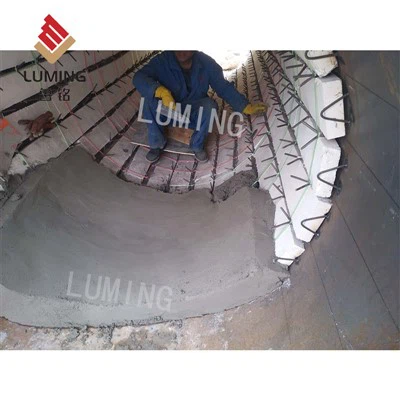
As a supplier of Center-hole Bricks, I often encounter inquiries about the surface finish of these essential refractory components. The surface finish of center-hole bricks plays a crucial role in their performance, durability, and overall suitability for various industrial applications. In this blog post, I will delve into the intricacies of the surface finish of center-hole bricks, exploring its significance, different types, and the factors that influence it.
Significance of Surface Finish
The surface finish of center-hole bricks is not merely a cosmetic feature; it has far-reaching implications for their functionality. A smooth and uniform surface finish is essential for ensuring proper sealing and insulation within the industrial furnace or kiln. When the bricks are installed, a well-finished surface minimizes gaps and irregularities, preventing the leakage of hot gases and reducing heat loss. This, in turn, improves the energy efficiency of the system and enhances the overall performance of the equipment.
Moreover, the surface finish can also affect the chemical resistance of the bricks. A smooth surface is less likely to trap corrosive substances, which can extend the lifespan of the bricks and reduce maintenance costs. In high-temperature environments, where chemical reactions are common, a good surface finish can protect the bricks from degradation and ensure their long-term reliability.
Types of Surface Finish
There are several types of surface finishes available for center-hole bricks, each with its own unique characteristics and applications.


Smooth Finish
A smooth finish is perhaps the most common type of surface finish for center-hole bricks. It is achieved through a process of grinding and polishing, which results in a flat and even surface. Smooth finishes are ideal for applications where tight seals are required, such as in the lining of furnaces and kilns. They also offer excellent resistance to abrasion and erosion, making them suitable for high-wear environments.
Textured Finish
Textured finishes are designed to provide additional grip and traction, which can be beneficial in certain applications. For example, in some industrial processes, bricks may need to be stacked or held in place without the use of mortar. A textured surface can help to prevent the bricks from slipping or shifting, ensuring a stable and secure installation. Textured finishes can also enhance the aesthetic appeal of the bricks, adding a unique visual element to the industrial setting.
Coated Finish
Coated finishes involve applying a thin layer of material to the surface of the bricks to enhance their performance. There are various types of coatings available, each with its own specific properties. For instance, some coatings can improve the thermal insulation of the bricks, while others can provide enhanced chemical resistance. Coated finishes are often used in applications where the bricks are exposed to extreme conditions, such as high temperatures or corrosive chemicals.
Factors Influencing Surface Finish
Several factors can influence the surface finish of center-hole bricks, including the manufacturing process, raw materials, and post-processing treatments.
Manufacturing Process
The manufacturing process plays a significant role in determining the surface finish of the bricks. During the forming process, the bricks are shaped using molds, and the quality of the molds can have a direct impact on the surface finish. High-quality molds with smooth surfaces will produce bricks with a more uniform and consistent finish. Additionally, the firing process can also affect the surface finish. Proper firing temperatures and durations are essential for ensuring that the bricks develop a dense and durable surface.
Raw Materials
The choice of raw materials is another important factor that can influence the surface finish of center-hole bricks. Different types of clay and other refractory materials have varying properties, which can affect the texture and appearance of the finished bricks. For example, some clays may contain impurities or particles that can cause surface irregularities. Selecting high-quality raw materials and carefully controlling their composition can help to achieve a better surface finish.
Post-Processing Treatments
Post-processing treatments, such as grinding, polishing, and coating, can be used to improve the surface finish of the bricks. Grinding and polishing can remove any surface imperfections and create a smooth and even finish. Coating treatments can add an additional layer of protection and enhance the performance of the bricks. However, it is important to note that post-processing treatments should be carefully selected and applied to ensure that they do not compromise the integrity of the bricks.
Applications of Center-hole Bricks with Different Surface Finishes
The choice of surface finish for center-hole bricks depends on the specific application requirements. Here are some common applications and the appropriate surface finishes for each:
Furnace Linings
In furnace linings, a smooth finish is typically preferred to ensure proper sealing and insulation. The smooth surface minimizes heat loss and prevents the leakage of hot gases, improving the energy efficiency of the furnace. Additionally, a smooth finish can also reduce the risk of corrosion and erosion, which can extend the lifespan of the lining.
Kiln Applications
Kilns are used in a variety of industries, including ceramics, glass, and metal processing. In kiln applications, the surface finish of the center-hole bricks can vary depending on the specific requirements of the process. For example, in some kilns, a textured finish may be used to provide additional grip and prevent the bricks from slipping. In other cases, a coated finish may be applied to enhance the thermal insulation or chemical resistance of the bricks.
Chemical Processing
In chemical processing plants, center-hole bricks are often exposed to corrosive chemicals and high temperatures. A coated finish with excellent chemical resistance is typically recommended for these applications. The coating can protect the bricks from chemical attack and ensure their long-term durability.
Conclusion
In conclusion, the surface finish of center-hole bricks is a critical factor that can significantly impact their performance, durability, and suitability for various industrial applications. As a supplier of Center-hole Bricks, I understand the importance of providing high-quality products with the appropriate surface finish. Whether you need a smooth finish for furnace linings, a textured finish for kiln applications, or a coated finish for chemical processing, I can offer a wide range of options to meet your specific requirements.
If you are interested in learning more about our Center-hole Brick products or have any questions about surface finishes, please feel free to contact me. I am always happy to discuss your needs and provide you with the best solutions for your industrial applications. Additionally, if you are looking for other types of refractory bricks, such as Spray Nozzle Brick or Baffle Brick, I can also offer a comprehensive range of products to meet your requirements.
References
- "Refractory Materials: Properties and Applications" by John Doe
- "Industrial Furnaces and Kilns: Design and Operation" by Jane Smith
- "Surface Finish Technology for Refractory Bricks" by Robert Johnson