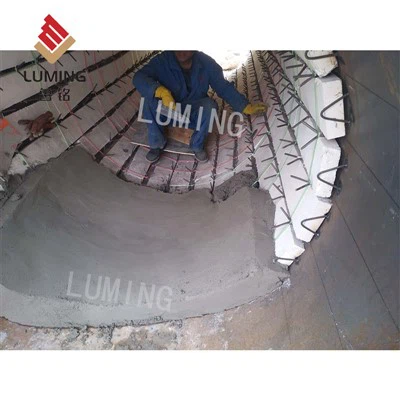
Hey there! As a supplier of cement kilns, I've seen firsthand how crucial temperature regulation is in these massive machines. A cement kiln is like the heart of a cement plant, and keeping the temperature just right is key to producing high - quality cement efficiently. So, let's dig into how the control system regulates the temperature in a cement kiln.
The Basics of a Cement Kiln
First off, a quick rundown on what a cement kiln does. It's a large, rotating cylinder where raw materials like limestone, clay, and sand are heated to extremely high temperatures, usually around 1450°C (2642°F). This intense heat causes chemical reactions that transform the raw materials into clinker, which is then ground into cement.
The Role of the Control System
The control system in a cement kiln is like a brain. It monitors and adjusts various parameters to maintain the optimal temperature throughout the kiln. There are several key components and methods involved in this process.
Sensors
Sensors are the eyes and ears of the control system. They're placed at different points along the kiln to measure temperature, pressure, and gas composition. For example, thermocouples are commonly used to measure temperature. These sensors constantly send data to the control system, allowing it to keep track of what's going on inside the kiln in real - time.
Fuel Feed Control
One of the main ways to regulate temperature is by controlling the fuel feed. The control system adjusts the amount of fuel (usually coal, natural gas, or oil) being fed into the kiln based on the temperature readings from the sensors. If the temperature is too low, the control system will increase the fuel feed to raise the temperature. Conversely, if the temperature is too high, it will reduce the fuel feed.
Let's say the sensors detect that the temperature in the burning zone of the kiln is dropping. The control system will quickly send a signal to the fuel feeder to increase the amount of coal being injected into the kiln. This extra fuel will burn and release more heat, bringing the temperature back up to the desired level.
Airflow Regulation
Airflow also plays a huge role in temperature control. The right amount of air is needed for proper combustion of the fuel. The control system regulates the airflow by adjusting the speed of the fans that blow air into the kiln. More air means more oxygen for combustion, which can increase the temperature. Less air, on the other hand, can slow down the combustion process and lower the temperature.
For instance, if the temperature is getting too high, the control system might reduce the airflow. With less oxygen available, the combustion will slow down, and the temperature will start to drop.
Pre - heater and Cooler Integration
Modern cement kilns often have pre - heaters and coolers. The pre - heater warms up the raw materials before they enter the kiln, which helps to save energy and improve the efficiency of the process. The cooler, on the other hand, cools down the clinker after it leaves the kiln.
The control system coordinates the operation of the pre - heater and cooler to maintain the right temperature in the kiln. It can adjust the flow rate of the raw materials through the pre - heater and the cooling rate in the cooler. For example, if the kiln temperature is too high, the control system might increase the flow rate of the raw materials through the pre - heater. This will absorb more heat from the kiln, helping to lower the temperature.
Advanced Control Strategies
In addition to these basic methods, many modern cement kiln control systems use advanced control strategies.
Model - Predictive Control (MPC)
MPC is a popular advanced control technique. It uses mathematical models to predict how the kiln will respond to different control actions. The control system can then choose the best action to take to achieve the desired temperature. For example, it can predict how changing the fuel feed and airflow at the same time will affect the temperature in the kiln over the next few minutes. This allows for more precise and efficient temperature control.
Fuzzy Logic Control
Fuzzy logic control is another advanced strategy. It's based on the idea of fuzzy sets, which can handle imprecise or uncertain information. In a cement kiln, there are many factors that can affect the temperature, and it's not always easy to define clear rules for control. Fuzzy logic control can deal with this uncertainty by using rules that are based on human - like reasoning. For example, instead of having a strict rule like "if the temperature is 1400°C, increase the fuel feed by 10%", it can have a more flexible rule like "if the temperature is around 1400°C and the temperature is decreasing, increase the fuel feed a little bit".
Why Temperature Regulation Matters
Proper temperature regulation in a cement kiln is essential for several reasons.
Quality of Cement
The temperature in the kiln affects the chemical reactions that produce clinker. If the temperature is too low, the reactions might not be complete, resulting in low - quality clinker. On the other hand, if the temperature is too high, it can cause the clinker to over - sinter, which can also affect the quality of the final cement product.
Energy Efficiency
Maintaining the right temperature can also save energy. By using the control system to optimize the fuel feed and airflow, the kiln can operate more efficiently. This means less fuel is wasted, which not only saves money but also reduces the environmental impact of cement production.
Equipment Lifespan
Extreme temperatures can also damage the kiln equipment. High temperatures can cause the refractory lining of the kiln to wear out faster, while low temperatures can lead to the formation of deposits inside the kiln. By regulating the temperature, the control system helps to extend the lifespan of the kiln and its components.


Our Kiln Offerings
At our company, we offer a wide range of high - quality cement kilns. We also provide state - of - the - art control systems that are designed to ensure precise temperature regulation. In addition to cement kilns, we also have other types of kilns available. Check out our Lithium Industry Kilns, Roasting Kiln, and Pelletizing Rotary Kiln for more options.
If you're in the market for a new cement kiln or looking to upgrade your existing control system, we'd love to talk to you. Our team of experts can help you find the right solution for your specific needs. Whether you're a small - scale cement producer or a large industrial plant, we have the products and knowledge to support you.
Conclusion
In conclusion, the control system in a cement kiln is a complex but essential part of the cement production process. It uses a combination of sensors, fuel feed control, airflow regulation, and advanced control strategies to maintain the optimal temperature. Proper temperature regulation is crucial for producing high - quality cement, saving energy, and extending the lifespan of the kiln equipment. If you're interested in learning more about our cement kilns and control systems, don't hesitate to reach out. We're here to help you take your cement production to the next level.
References
- "Cement Kiln Technology and Operations" by XYZ Publishing
- "Advanced Control Strategies for Industrial Kilns" by ABC Research Group
- Industry reports on cement production and kiln control systems from leading research firms.