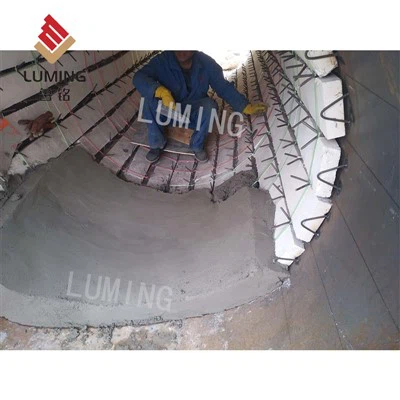
Hey there, folks! I'm a supplier of lime kilns, and I've been in this industry for quite some time. You might be wondering, "How does a lime kiln influence the local ecosystem?" Well, let's dive right into it.
Air Quality
One of the most obvious ways a lime kiln affects the local ecosystem is through its impact on air quality. Lime kilns burn limestone to produce lime, and this process releases a variety of pollutants into the air. The combustion of fuel in the kiln, usually coal or natural gas, emits carbon dioxide (CO2), a greenhouse gas that contributes to global warming. In addition to CO2, other pollutants such as sulfur dioxide (SO2), nitrogen oxides (NOx), and particulate matter (PM) are also released.
SO2 can cause acid rain when it reacts with water vapor in the atmosphere. Acid rain can have a detrimental effect on local ecosystems, especially on forests and aquatic life. It can damage the leaves of plants, reduce soil fertility, and harm fish and other aquatic organisms. NOx can contribute to the formation of smog and ground - level ozone, which are both harmful to human health and can also damage plants. Particulate matter, which consists of tiny solid or liquid particles suspended in the air, can be inhaled by humans and animals, causing respiratory problems.
However, modern lime kilns are designed with advanced pollution control technologies to minimize these emissions. For example, Circulating Fluidized Bed (cfb) kilns are known for their relatively low emissions of pollutants. These kilns use a fluidized bed of limestone particles, which allows for more efficient combustion and better control of emissions.
Water Quality
Lime kilns can also have an impact on local water quality. The limestone used in the kilns may contain impurities such as heavy metals. When the limestone is burned, these heavy metals can be released into the environment. Some of them may end up in surface water or groundwater through runoff or leaching.


Heavy metals like mercury, lead, and cadmium are toxic to aquatic life. They can bioaccumulate in the food chain, meaning that they build up in the bodies of organisms over time. This can have serious consequences for fish, birds, and other animals that rely on the contaminated water sources. In addition, the lime production process may generate wastewater. If this wastewater is not properly treated before being discharged, it can introduce high levels of calcium, alkalinity, and other chemicals into the water, which can alter the pH and chemical composition of the local water bodies.
Noise Pollution
Another aspect of the influence on the local ecosystem is noise pollution. Lime kilns are large industrial facilities that involve various mechanical processes, such as the movement of conveyors, the operation of fans, and the combustion within the kiln. All these activities generate noise.
High - intensity noise can have a negative impact on wildlife. For example, it can disrupt the communication, mating, and feeding patterns of birds and mammals. Some species may be forced to leave the area due to the constant noise, which can lead to a change in the local biodiversity. Noise can also affect the behavior of aquatic organisms. Underwater noise from industrial activities near water bodies can interfere with the navigation and communication of fish and marine mammals.
Land Use and Habitat Disruption
Building a lime kiln requires a significant amount of land. This often means clearing forests or other natural habitats. When these habitats are destroyed, the plants and animals that depend on them lose their homes. Some species may not be able to adapt to the new environment and may face population decline or even extinction.
In addition, the operation of the lime kiln may involve the extraction of limestone from nearby quarries. Quarrying can cause soil erosion, as the removal of vegetation and topsoil exposes the land to the elements. This can lead to sedimentation in nearby water bodies, further degrading water quality.
Positive Impacts
It's not all bad news, though. Lime has a wide range of uses in environmental protection. For example, it can be used to neutralize acidic soils and water. In some areas where acid mine drainage is a problem, lime can be added to the water to raise the pH and reduce the toxicity of the heavy metals.
In addition, the by - products of lime production can sometimes be recycled and reused. For instance, some of the slag and ash generated in the lime kiln can be used in the construction industry as a substitute for cement or aggregate. This can reduce the demand for virgin materials and have a positive impact on the environment.
Mitigation Measures
As a lime kiln supplier, I'm well aware of the potential negative impacts of our products on the local ecosystem. That's why we work closely with our customers to implement mitigation measures.
For air pollution, we recommend the installation of advanced emission control systems such as scrubbers, which can remove SO2 from the flue gas, and selective catalytic reduction (SCR) systems, which can reduce NOx emissions. For water pollution, proper wastewater treatment facilities should be in place to ensure that the discharged water meets environmental standards.
To minimize noise pollution, we can suggest the use of noise barriers around the kiln and the selection of low - noise equipment. And when it comes to land use and habitat disruption, we encourage our customers to engage in reforestation and habitat restoration projects in the surrounding areas.
The Role of Technology
Technology is constantly evolving, and it plays a crucial role in reducing the environmental impact of lime kilns. For example, the Ferronickel Kiln technology has some features that can be adapted to lime kiln design to improve efficiency and reduce emissions. Similarly, the Magnesium Metal Reduction Furnace technology also offers some insights into better combustion and energy management.
Conclusion
In conclusion, a lime kiln can have both positive and negative impacts on the local ecosystem. While the negative impacts such as air and water pollution, noise pollution, and habitat disruption are significant, there are also opportunities to mitigate these effects through the use of advanced technologies and proper management practices.
As a supplier, we are committed to providing our customers with the best - in - class lime kilns that are not only efficient but also environmentally friendly. If you're in the market for a lime kiln and want to learn more about how we can help you minimize the environmental impact while maximizing the productivity of your operation, don't hesitate to reach out to us for a procurement discussion. We're here to work with you to find the right solution for your needs.
References
- Environmental Protection Agency. (2019). Industrial Boilers and Process Heaters Emission Guidelines and Standards.
- World Health Organization. (2020). Air Quality Guidelines: Global Update 2020.
- National Oceanic and Atmospheric Administration. (2018). Marine Noise Pollution and Its Impact on Marine Life.