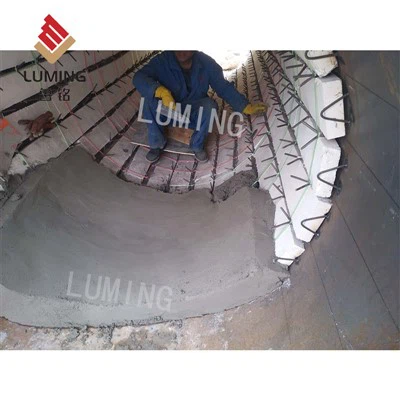
In the industrial heating landscape, regenerative burners have emerged as a revolutionary technology, celebrated for their energy - efficiency and high - performance capabilities. As a supplier of regenerative burners, I've witnessed firsthand the significant advantages they bring to various industrial processes. However, like any technology, regenerative burners are not without their limitations. Understanding these limitations is crucial for both current users and potential buyers to make informed decisions and optimize their operations.
1. Initial Investment and Installation Complexity
One of the most prominent limitations of using a regenerative burner is the high initial investment. The cost of a Regenerative Burner System is substantially higher compared to traditional burners. This is due to the complex design and the need for additional components such as heat accumulators and sophisticated control systems. The Ceramic Heat Accumulator, a key part of the regenerative burner, is made of high - quality ceramic materials that can withstand extreme temperatures and thermal cycling. These materials are expensive, contributing to the overall cost of the system.
Moreover, the installation of a regenerative burner is a complex process. It requires specialized knowledge and skills to ensure that all components are correctly installed and integrated into the existing industrial heating system. Incorrect installation can lead to reduced efficiency, increased maintenance requirements, and even safety hazards. This complexity often means that companies need to hire professional installation teams, which further adds to the upfront cost.
2. Maintenance Requirements
Regenerative burners demand regular and meticulous maintenance to operate at peak efficiency. The Spray Nozzle Brick is a critical component that can be subject to wear and tear over time. The high - temperature environment and the flow of combustion gases can cause erosion and corrosion of the nozzle brick, affecting the burner's performance. Regular inspection and replacement of the nozzle brick are necessary to maintain proper fuel atomization and combustion.
The ceramic heat accumulators also require careful maintenance. They can become clogged with dust, ash, and other contaminants from the combustion process. A clogged heat accumulator reduces the heat transfer efficiency, which in turn decreases the overall energy efficiency of the burner. Cleaning or replacing the heat accumulators is a time - consuming and labor - intensive process, often requiring the burner to be taken out of service.
In addition, the control systems of regenerative burners are highly sophisticated. They need to be calibrated regularly to ensure accurate operation. Any malfunction in the control system can lead to improper burner operation, such as uneven heating or incomplete combustion, which can have a negative impact on the quality of the industrial process.
3. Operational Limitations
Regenerative burners are sensitive to changes in the operating conditions. For example, variations in the fuel quality can significantly affect the burner's performance. If the fuel contains impurities or has inconsistent calorific value, it can lead to unstable combustion, reduced efficiency, and increased emissions. This means that companies using regenerative burners need to have strict quality control measures in place for their fuel supply.
The burner's performance can also be affected by changes in the ambient temperature and humidity. In cold or humid conditions, the heat transfer efficiency of the heat accumulators may be reduced, resulting in lower overall burner efficiency. Moreover, regenerative burners are generally designed for specific industrial processes and operating parameters. Adapting them to different processes or changing the operating conditions can be challenging and may require significant modifications to the burner system.
4. Emission Control Challenges
Although regenerative burners are known for their energy - saving capabilities, they still face challenges in emission control. The high - temperature combustion process in regenerative burners can produce nitrogen oxides (NOx), which are harmful air pollutants. Controlling NOx emissions requires additional equipment and technologies, such as selective catalytic reduction (SCR) or low - NOx burners. These emission control measures add to the cost and complexity of the burner system.
In addition, the combustion process can also generate particulate matter, especially if the fuel is not completely burned. Particulate matter emissions can have a negative impact on air quality and may require the installation of particulate filters or other air pollution control devices.
5. Compatibility with Existing Systems
Integrating a regenerative burner into an existing industrial heating system can be a challenge. The burner may not be compatible with the existing furnace design, piping, or control systems. For example, the flow rate and pressure requirements of a regenerative burner may be different from those of the existing system, which may require modifications to the piping and valves.
The control signals and communication protocols of the regenerative burner may also be incompatible with the existing control systems. This can lead to difficulties in coordinating the operation of the burner with the rest of the industrial process. In some cases, companies may need to replace or upgrade their entire control systems to ensure seamless integration of the regenerative burner.
Conclusion
Despite these limitations, regenerative burners still offer significant benefits in terms of energy efficiency and performance. By understanding these limitations, companies can take appropriate measures to mitigate their impact and optimize the use of regenerative burners. For example, proper planning and budgeting can help to address the high initial investment and installation complexity. Regular maintenance and quality control can ensure the long - term reliability and efficiency of the burner.
If you are considering the adoption of a regenerative burner for your industrial heating needs, I encourage you to reach out to us. Our team of experts can provide you with detailed information about our regenerative burner products, help you assess the suitability of the burner for your specific application, and guide you through the installation and maintenance process. We are committed to providing high - quality regenerative burner solutions and excellent customer service. Contact us today to start a discussion about how our regenerative burners can meet your industrial heating requirements and overcome the associated challenges.


References
- Industrial Burner Handbook: Principles, Designs, and Applications.
- Research papers on energy - efficient industrial heating technologies.
- Manufacturer's manuals and technical documents for regenerative burners.