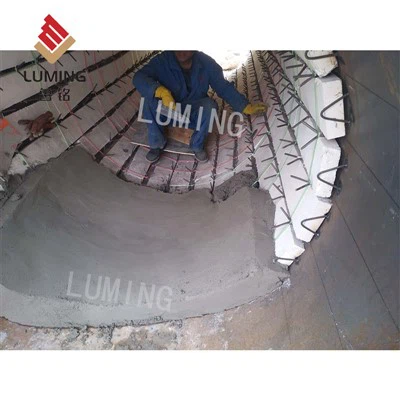
Pre - heating is a crucial step in the operation of a roasting kiln, and understanding its importance can significantly enhance the efficiency, quality, and safety of the roasting process. As a roasting kiln supplier, I have witnessed firsthand the impact that proper pre - heating can have on the overall performance of our equipment. In this blog, I will delve into the reasons why pre - heating is so important in a roasting kiln.
1. Thermal Stress Reduction
One of the primary reasons for pre - heating a roasting kiln is to reduce thermal stress. When a cold kiln is suddenly exposed to high - temperature materials or intense heat sources, the rapid temperature change can cause significant thermal stress within the kiln structure. Different parts of the kiln, such as the refractory lining, steel shell, and internal components, expand at different rates due to the temperature difference. This uneven expansion can lead to cracking, warping, and even structural failure of the kiln over time.
By pre - heating the kiln gradually, we allow all components to expand uniformly. For example, the refractory lining, which is designed to withstand high temperatures, needs to be heated slowly to prevent thermal shock. If the temperature rises too quickly, the lining may crack, reducing its insulating properties and potentially allowing heat to escape. This not only wastes energy but also shortens the lifespan of the lining. A well - pre - heated kiln can ensure that the refractory lining remains intact, providing long - term protection for the kiln structure.
2. Improved Roasting Efficiency
Pre - heating also plays a vital role in improving the roasting efficiency. When the kiln is pre - heated to an appropriate temperature, the materials being roasted can reach the desired reaction temperature more quickly. This reduces the overall roasting time, which in turn increases the throughput of the kiln.
For instance, in the case of Zinc Extraction Kiln, pre - heating the kiln allows the zinc - containing ores to start the roasting process immediately upon entering the kiln. The pre - heated environment provides a more stable and favorable condition for the chemical reactions involved in zinc extraction. The heat transfer from the kiln walls to the ores is more efficient, and the reactions can proceed at a faster rate. This leads to higher extraction rates and better - quality zinc products.
Similarly, for Vanadium - titanium Kiln, pre - heating helps in optimizing the roasting conditions for vanadium - titanium ores. The pre - heated kiln can ensure that the ores are roasted evenly, promoting the formation of the desired vanadium and titanium compounds. This results in improved product quality and increased production efficiency.
3. Energy Conservation
Energy conservation is another significant advantage of pre - heating a roasting kiln. When the kiln is pre - heated, less energy is required to reach and maintain the roasting temperature. This is because the pre - heated kiln already has a certain amount of thermal energy stored in its structure and lining.
During the roasting process, the energy input is mainly used to heat the incoming materials and to compensate for the heat losses. With pre - heating, the initial energy demand is reduced, as the kiln is already close to the operating temperature. This not only saves on energy costs but also reduces the environmental impact associated with energy consumption.
For example, in an Alumina Calcination Kiln, pre - heating can significantly reduce the fuel consumption. The calcination of alumina requires a high - temperature environment, and pre - heating the kiln can make the process more energy - efficient. The stored heat in the pre - heated kiln can be utilized to start the calcination reaction, reducing the need for additional fuel to raise the temperature.
4. Product Quality Enhancement
The quality of the roasted products is directly affected by the pre - heating process. Pre - heating ensures a more uniform temperature distribution within the kiln, which is essential for consistent product quality. When the temperature is evenly distributed, the chemical reactions occur in a more controlled manner, resulting in products with fewer impurities and more consistent properties.
In the roasting of minerals, for example, a uniform temperature helps in achieving a complete and consistent reaction. If the temperature is not evenly distributed, some parts of the materials may be under - roasted, while others may be over - roasted. This can lead to variations in the product quality, such as differences in particle size, chemical composition, and physical properties. By pre - heating the kiln, we can minimize these variations and produce high - quality roasted products.
5. Safety Improvement
Pre - heating is also important for safety reasons. A cold kiln may contain moisture, which can turn into steam when suddenly exposed to high temperatures. The rapid expansion of steam can cause pressure build - up within the kiln, leading to dangerous situations such as explosions or the release of hot gases and materials.
Pre - heating the kiln slowly allows the moisture to evaporate gradually, reducing the risk of steam - related hazards. Additionally, pre - heating helps in detecting any potential issues with the kiln before starting the full - scale roasting process. For example, if there are any leaks or weak points in the kiln structure, they may become more apparent during the pre - heating phase. This allows for timely repairs and maintenance, ensuring the safe operation of the kiln.
Conclusion
In conclusion, pre - heating is an essential step in the operation of a roasting kiln. It offers numerous benefits, including thermal stress reduction, improved roasting efficiency, energy conservation, product quality enhancement, and safety improvement. As a roasting kiln supplier, we highly recommend our customers to follow proper pre - heating procedures to maximize the performance and lifespan of their kilns.
If you are interested in our roasting kilns or have any questions about the pre - heating process, please feel free to contact us for more information and to discuss your specific requirements. We are committed to providing high - quality products and professional services to meet your needs.


References
- "Handbook of Industrial Furnaces: Theory and Design" by P. K. Nag
- "Thermal Processing of Minerals" by M. E. Wadsworth
- "Refractories Handbook" by J. P. Singh