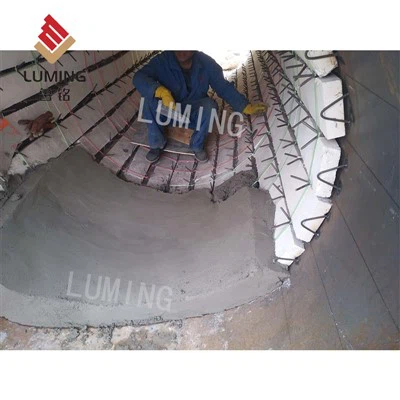
As a supplier of Ferromanganese Kilns, I often get asked if these kilns can use alternative fuels. It's a hot topic these days, especially with the increasing focus on sustainability and reducing carbon footprints. So, let's dive into this question and see if alternative fuels are a viable option for Ferromanganese Kilns.
First off, let's understand what Ferromanganese Kilns are and what they do. These kilns are used in the production of ferromanganese, an alloy of iron and manganese. The process involves heating a mixture of manganese ore, iron ore, and coke in the kiln to high temperatures. Coke, a traditional fuel, has been the go - to choice for a long time because it burns hot and provides the necessary energy for the smelting process.
But here's the thing, coke isn't the most environmentally friendly fuel. It releases a significant amount of carbon dioxide when burned, which contributes to global warming. That's where alternative fuels come in. There are several types of alternative fuels that we could potentially consider for Ferromanganese Kilns.
One option is biomass. Biomass fuels are made from organic materials like wood chips, agricultural waste, and dedicated energy crops. The great thing about biomass is that it's renewable. When plants grow, they absorb carbon dioxide from the atmosphere. When they're burned as fuel, they release the same amount of carbon dioxide back into the air. So, in theory, biomass is carbon - neutral.
However, using biomass in Ferromanganese Kilns isn't without its challenges. Biomass has a lower energy density compared to coke. That means you need to burn more of it to get the same amount of heat. Also, biomass can have a high moisture content, which can affect the combustion process. You'd need to dry the biomass properly before using it in the kiln. And there are also issues with handling and storage of biomass, as it can be bulky and difficult to transport.
Another alternative fuel is waste - derived fuels. These can include things like municipal solid waste, industrial waste, and sewage sludge. Turning waste into fuel is a great way to reduce landfill usage and make use of materials that would otherwise go to waste. Some waste - derived fuels can have a relatively high energy content, which could make them suitable for Ferromanganese Kilns.
But again, there are some problems. Waste - derived fuels can be inconsistent in terms of their composition. Different batches of waste can have different amounts of moisture, ash, and other impurities. This can make it hard to control the combustion process in the kiln. There are also concerns about the emissions of harmful pollutants when burning waste - derived fuels. You'd need to have proper emission control systems in place to ensure that the kiln meets environmental regulations.
Let's talk about hydrogen as an alternative fuel. Hydrogen is a clean - burning fuel. When it burns, the only by - product is water vapor. It has a very high energy content per unit mass, which means you can get a lot of heat from a relatively small amount of hydrogen.
However, producing hydrogen in a cost - effective and sustainable way is still a challenge. Most of the hydrogen produced today comes from natural gas through a process called steam methane reforming, which still releases some carbon dioxide. There's also the issue of storing and transporting hydrogen. Hydrogen is a highly flammable gas, and you need special equipment to handle it safely.
Now, let's look at some of the kilns similar to Ferromanganese Kilns that might have experience with alternative fuels. For example, the Ferronickel Kiln is used in the production of ferronickel. Some operators of Ferronickel Kilns have started experimenting with alternative fuels to reduce their environmental impact. They've faced similar challenges in terms of fuel quality and combustion control, but they've also found some success in gradually increasing the use of alternative fuels.


The Zinc Extraction Kiln is another type of kiln where alternative fuels could potentially be used. Zinc extraction involves heating zinc ore to extract the metal. Using alternative fuels in these kilns could help reduce the carbon emissions associated with zinc production.
And then there's the Alumina Calcination Kiln. Alumina calcination is an energy - intensive process. Some plants have been looking into using alternative fuels to make the process more sustainable.
So, can a Ferromanganese Kiln use alternative fuels? The answer is yes, but it's not straightforward. It requires careful consideration of the fuel properties, the kiln design, and the overall production process. You need to make sure that the alternative fuel can provide the necessary heat for the smelting process, that it can be burned efficiently, and that it meets environmental regulations.
If you're in the market for a Ferromanganese Kiln and you're interested in using alternative fuels, we're here to help. We have a team of experts who can work with you to understand your specific needs and find the best solution for your operation. Whether you're considering biomass, waste - derived fuels, hydrogen, or other alternatives, we can provide guidance on fuel selection, kiln modifications, and emission control.
Contact us to start a discussion about how we can help you make your Ferromanganese Kiln operation more sustainable with alternative fuels. We're eager to work with you to find the right balance between environmental responsibility and efficient production.
References
- Brown, R. C. (2014). Handbook of biomass combustion and co - firing. John Wiley & Sons.
- Demirbas, A. (2009). Biomass to biofuels: conversion technologies. Springer.
- European Commission. (2018). Waste - to - energy: a key resource for the circular economy. Publications Office of the European Union.