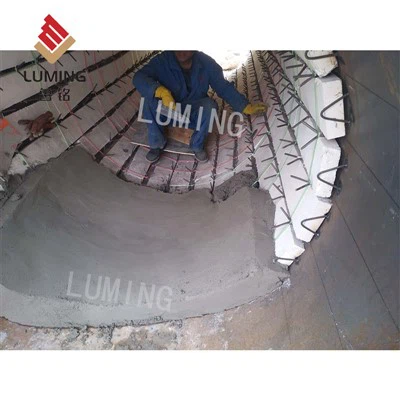
High alumina bricks are a type of refractory material known for their high alumina content, typically ranging from 48% to over 90%. These bricks offer excellent refractoriness, high strength, and good resistance to chemical corrosion and thermal shock. As a high alumina brick supplier, I have witnessed firsthand the diverse applications of these bricks across various industries. In this blog, I will explore the different industrial sectors where high alumina bricks are commonly used.
Steel Industry
The steel industry is one of the largest consumers of high alumina bricks. In steelmaking processes, high temperatures and harsh chemical environments are prevalent, and high alumina bricks play a crucial role in lining furnaces, ladles, and other equipment.
Blast Furnaces
Blast furnaces are used to produce pig iron from iron ore. High alumina bricks are used in the hearth, bosh, and stack regions of the blast furnace. The hearth, which is the bottom part of the furnace where molten iron and slag collect, requires bricks with high thermal conductivity and resistance to abrasion and chemical attack. High alumina bricks with a high alumina content (above 80%) are often used in this area to withstand the extreme conditions.
The bosh region, where the hot gases from the combustion zone rise and react with the iron ore, experiences high temperatures and mechanical stress. High alumina bricks with good thermal shock resistance are suitable for lining this area. The stack, which is the upper part of the furnace, is lined with high alumina bricks to protect the furnace shell from the heat and corrosive gases.
Electric Arc Furnaces (EAFs)
EAFs are used to melt scrap steel and produce new steel. High alumina bricks are used in the side walls, roof, and bottom of the EAF. The side walls are exposed to high temperatures and chemical erosion from the molten steel and slag. High alumina bricks with a high density and good corrosion resistance are used to line the side walls.
The roof of the EAF is subjected to thermal shock and mechanical stress due to the opening and closing of the furnace door and the movement of the electrodes. High alumina bricks with excellent thermal shock resistance are required for the roof lining. The bottom of the EAF, where the molten steel collects, needs bricks with high strength and resistance to abrasion and chemical attack.
Ladles
Ladles are used to transport and pour molten steel from the furnace to the casting molds. High alumina bricks are used to line the ladles to protect them from the high temperatures and corrosive nature of the molten steel. The lining of the ladles needs to have good thermal insulation properties to reduce heat loss and maintain the temperature of the molten steel. High alumina bricks with a low thermal conductivity are often used for this purpose.
Cement Industry
The cement industry also relies heavily on high alumina bricks for its kilns and other equipment. Cement kilns are used to heat limestone and other raw materials to produce clinker, which is then ground into cement.
Rotary Kilns
Rotary kilns are the heart of the cement production process. High alumina bricks are used to line the different zones of the rotary kiln, including the preheating zone, calcining zone, and sintering zone.
In the preheating zone, where the raw materials are heated to a temperature of around 800°C, high alumina bricks with good thermal insulation properties are used to reduce heat loss and improve energy efficiency. The calcining zone, where the limestone decomposes into calcium oxide and carbon dioxide, requires bricks with high refractoriness and resistance to chemical attack. High alumina bricks with an alumina content of 50% - 70% are commonly used in this zone.
The sintering zone, where the clinker is formed at a temperature of around 1450°C, is the most critical part of the kiln. High alumina bricks with a high alumina content (above 70%) and excellent thermal shock resistance are used to line this zone. These bricks need to withstand the high temperatures, mechanical stress, and chemical corrosion caused by the molten clinker.
Coolers
Coolers are used to cool the hot clinker coming out of the kiln. High alumina bricks are used to line the coolers to protect them from the high temperatures and abrasion caused by the moving clinker. The bricks need to have good thermal shock resistance and wear resistance to ensure a long service life.
Glass Industry
The glass industry uses high alumina bricks in its melting furnaces and annealing lehrs. Glass melting furnaces are used to melt glass raw materials at high temperatures to produce various types of glass products.
Melting Furnaces
High alumina bricks are used to line the walls, roof, and bottom of the glass melting furnaces. The walls and roof of the furnace are exposed to high temperatures and corrosive gases from the melting process. High alumina bricks with a high alumina content (above 60%) and good corrosion resistance are used to line these areas.
The bottom of the furnace, where the molten glass collects, needs bricks with high strength and resistance to abrasion and chemical attack. High alumina bricks with a dense structure and low porosity are often used for the bottom lining.
Annealing Lehrs
Annealing lehrs are used to cool the hot glass products slowly to relieve internal stresses and improve their strength and durability. High alumina bricks are used to line the annealing lehrs to provide thermal insulation and maintain a uniform temperature distribution. The bricks need to have good thermal insulation properties and low thermal conductivity to reduce energy consumption.
Non - Ferrous Metal Industry
The non - ferrous metal industry, including copper, aluminum, and zinc production, also uses high alumina bricks in its furnaces and other equipment.
Copper Smelting Furnaces
In copper smelting, high alumina bricks are used to line the reverberatory furnaces, flash furnaces, and converters. The reverberatory furnaces are used to melt copper concentrates and scrap copper. High alumina bricks with good thermal shock resistance and corrosion resistance are used to line the walls and roof of the reverberatory furnaces.


Flash furnaces are used for the smelting of copper concentrates at high temperatures. High alumina bricks with a high alumina content and excellent refractoriness are used to line the flash furnaces. Converters are used to convert the matte produced in the smelting process into blister copper. High alumina bricks with high strength and resistance to chemical attack are used to line the converters.
Aluminum Smelting Cells
In aluminum smelting, high alumina bricks are used to line the side walls and bottom of the electrolytic cells. The side walls are exposed to the corrosive molten cryolite and aluminum metal. High alumina bricks with good corrosion resistance and low reactivity with the molten materials are used to line the side walls. The bottom of the cell needs bricks with high strength and resistance to abrasion and thermal shock.
Other Industries
High alumina bricks also find applications in other industries such as the chemical industry, power generation industry, and ceramic industry.
In the chemical industry, high alumina bricks are used in reactors, furnaces, and other equipment where high temperatures and chemical reactions occur. They are used to line the vessels to protect them from the corrosive chemicals and high temperatures.
In the power generation industry, high alumina bricks are used in boilers and incinerators. In boilers, they are used to line the combustion chambers and heat exchangers to improve energy efficiency and protect the equipment from high temperatures and corrosion. In incinerators, high alumina bricks are used to line the walls and hearth to withstand the high temperatures and corrosive gases generated during the incineration process.
In the ceramic industry, high alumina bricks are used in kilns for firing ceramic products. They provide a stable and high - temperature environment for the firing process, ensuring the quality of the ceramic products.
As a high alumina brick supplier, we offer a wide range of high alumina bricks to meet the diverse needs of different industries. Our Refractory High Alumina Brick is known for its high quality and excellent performance. We also have Sk40 Refractory Brick and Sk38 Refractory Brick which are suitable for various industrial applications.
If you are in need of high alumina bricks for your industrial operations, please feel free to contact us for further discussion and procurement. We are committed to providing you with the best products and services to meet your specific requirements.
References
- “Refractory Materials Handbook” by John Doe
- “Industrial Furnace Technology” by Jane Smith
- “Cement Production Technology” by Tom Brown