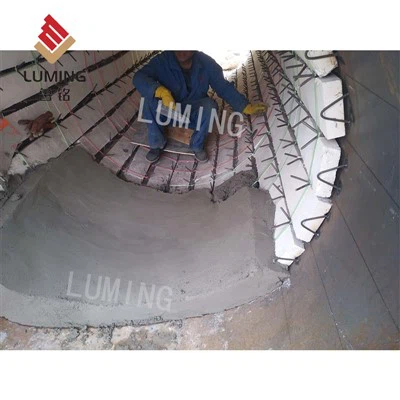
As a supplier of fireclay bricks, I understand the critical importance of proper storage conditions for these essential refractory materials. Fireclay bricks are widely used in various industries, including metallurgy, ceramics, and glassmaking, due to their excellent heat resistance and durability. In this blog post, I will discuss the key factors to consider when storing fireclay bricks to ensure their quality and performance are maintained over time.
1. Temperature and Humidity Control
One of the most crucial aspects of storing fireclay bricks is controlling the temperature and humidity of the storage environment. Fireclay bricks are sensitive to changes in temperature and humidity, which can cause them to expand, contract, or absorb moisture. These changes can lead to cracking, warping, or a decrease in the brick's refractory properties.


- Temperature: Fireclay bricks should be stored in a dry, well-ventilated area with a stable temperature. Extreme temperature fluctuations can cause stress within the bricks, leading to damage. Ideally, the storage temperature should be maintained between 10°C and 30°C (50°F and 86°F). Avoid storing fireclay bricks in areas that are subject to direct sunlight or near heat sources, such as furnaces or heaters.
- Humidity: High humidity levels can cause fireclay bricks to absorb moisture, which can weaken their structure and reduce their refractory performance. The relative humidity in the storage area should be kept below 60%. If the humidity is too high, consider using dehumidifiers or ventilation systems to reduce the moisture content in the air. Additionally, avoid storing fireclay bricks in areas prone to flooding or water leakage.
2. Protection from Physical Damage
Fireclay bricks are brittle and can be easily damaged if not handled and stored properly. To prevent physical damage, it is essential to take the following precautions:
- Stacking: Fireclay bricks should be stacked in a stable and orderly manner to prevent them from toppling over. Use pallets or racks to support the bricks and ensure that the stacks are evenly distributed. Avoid stacking the bricks too high, as this can increase the risk of collapse. The maximum height of the stack should be determined based on the size and weight of the bricks, as well as the strength of the storage structure.
- Handling: When handling fireclay bricks, use appropriate equipment, such as forklifts or cranes, to avoid dropping or mishandling them. Ensure that the equipment is in good working condition and that the operators are trained to handle the bricks safely. Avoid dragging or sliding the bricks across rough surfaces, as this can cause abrasion and damage to the brick's surface.
- Protection from Impact: Protect the fireclay bricks from impact by using padding or cushioning materials. Place soft materials, such as rubber mats or foam sheets, between the bricks and the storage surface to absorb any shocks or vibrations. Additionally, avoid storing fireclay bricks in areas where they are likely to be hit by moving objects, such as vehicles or machinery.
3. Protection from Chemical Exposure
Fireclay bricks can be affected by exposure to certain chemicals, which can corrode or degrade their structure. To protect the bricks from chemical exposure, it is important to:
- Avoid Contact with Acids and Bases: Fireclay bricks are generally resistant to most acids and bases, but prolonged exposure can still cause damage. Avoid storing fireclay bricks in areas where they may come into contact with acidic or alkaline substances, such as cleaning agents, fertilizers, or industrial chemicals. If accidental contact occurs, immediately rinse the bricks with clean water to remove the chemical residue.
- Protection from Oxidation: Fireclay bricks can oxidize when exposed to oxygen at high temperatures. To prevent oxidation, store the bricks in a low-oxygen environment or use protective coatings. If the bricks are to be used in high-temperature applications, consider preheating them before installation to remove any moisture and reduce the risk of oxidation.
4. Separation of Different Types of Fireclay Bricks
Not all fireclay bricks are the same. Different types of fireclay bricks have different properties and applications, and it is important to store them separately to avoid confusion and ensure that the right bricks are used for the right job.
- Classification by Grade: Fireclay bricks are typically classified by their refractory grade, which indicates their ability to withstand high temperatures. Store bricks of different grades separately to prevent mixing and ensure that the correct grade is used for each application. For example, Sk34 Refractory Brick is a high-grade fireclay brick suitable for use in high-temperature furnaces, while lower-grade bricks may be used for less demanding applications.
- Separation by Size and Shape: Fireclay bricks come in various sizes and shapes to meet different installation requirements. Store bricks of different sizes and shapes separately to make it easier to locate and select the right bricks during installation. This can also help to prevent damage to the bricks during handling and storage.
5. Inventory Management
Proper inventory management is essential for ensuring the quality and availability of fireclay bricks. By keeping accurate records of the inventory, you can track the movement of the bricks, monitor their condition, and ensure that they are used in a timely manner.
- First-In, First-Out (FIFO) Principle: Implement the FIFO principle to ensure that the oldest bricks are used first. This helps to prevent the bricks from sitting in storage for too long, which can increase the risk of damage or degradation. When receiving new shipments of fireclay bricks, place them at the back of the storage area and use the older bricks from the front.
- Regular Inspection: Conduct regular inspections of the fireclay bricks in storage to check for any signs of damage, deterioration, or moisture absorption. Inspect the bricks for cracks, chips, or discoloration, and remove any damaged bricks from the inventory. Additionally, check the temperature and humidity levels in the storage area to ensure that they are within the recommended range.
Conclusion
Proper storage conditions are essential for maintaining the quality and performance of fireclay bricks. By controlling the temperature and humidity, protecting the bricks from physical damage and chemical exposure, separating different types of bricks, and implementing effective inventory management practices, you can ensure that your fireclay bricks remain in good condition until they are ready to be used.
If you are in the market for high-quality fireclay bricks, we are here to help. Our company offers a wide range of fireclay bricks, including Fire Clay Block, Sk34 Refractory Brick, and Low-porosity Fireclay Brick. We are committed to providing our customers with the best products and services. Contact us today to discuss your specific requirements and let us help you find the perfect fireclay bricks for your project.
References
- ASTM International. (2021). Standard Specification for Fireclay and High-Alumina Refractory Brick. ASTM C27-21.
- Refractories Manual. (2019). The American Ceramic Society.