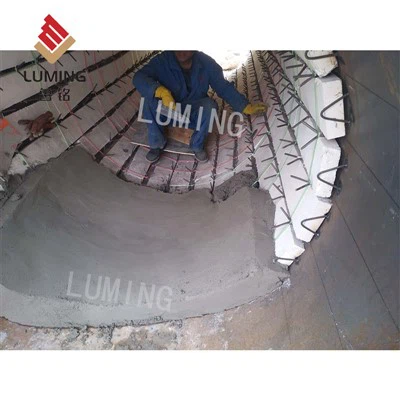
The price range of a glass kiln can vary significantly based on multiple factors, which I'll delve into as a seasoned glass kiln supplier.
Factors Affecting the Price of Glass Kilns
Size and Capacity
One of the most prominent factors influencing the price of a glass kiln is its size and capacity. Small - scale glass kilns, often used by hobbyists or in small art studios, can have a relatively low price point. These kilns are designed to handle small batches of glasswork, such as creating small glass figurines or jewelry. They typically have a chamber volume of less than 1 cubic foot. The price of these small glass kilns can start from around $500. They are usually simple in design, with basic temperature control systems and less complex insulation.
On the other hand, large - scale industrial glass kilns used in mass - production facilities have a much higher price. These kilns can have chamber volumes of several cubic meters or more. They are built to handle continuous production of glass products like bottles, windows, or large glass panels. The construction of these large kilns requires heavy - duty materials, advanced heating systems, and sophisticated control mechanisms. As a result, the price of large industrial glass kilns can range from $100,000 to several million dollars.
Type of Glass Kiln
There are different types of glass kilns, each with its own price range.
Firing Kilns
Firing kilns are used to heat glass to high temperatures for processes like annealing, which relieves internal stresses in the glass. Electric firing kilns are popular due to their ease of use and precise temperature control. Small electric firing kilns for home use can cost between $500 - $3000. They are often compact and come with digital temperature controllers.
Gas - fired firing kilns, on the other hand, are more suitable for larger operations. They can heat up faster and reach higher temperatures compared to electric kilns. The price of gas - fired firing kilns can start from around $5000 for medium - sized models and go up to $50,000 or more for large industrial - grade ones.
Fusing Kilns
Fusing kilns are used to melt multiple pieces of glass together to create unique designs. These kilns need to heat the glass to a specific temperature range where the glass becomes soft and fuses. Small tabletop fusing kilns for hobbyists can be found for as low as $300. These kilns are usually simple in design and have limited features.
Commercial - grade fusing kilns, which are larger and have more advanced temperature control and programming capabilities, can cost between $5000 - $20,000. They are used in professional glass - art studios and small - scale production facilities.
Features and Technology
The features and technology incorporated into a glass kiln also play a crucial role in determining its price.
Temperature Control
Kilns with precise temperature control systems are more expensive. Digital temperature controllers can accurately set and maintain the desired temperature within a narrow range. Kilns equipped with advanced PID (Proportional - Integral - Derivative) controllers, which can automatically adjust the heating rate based on the temperature difference, are priced higher than those with basic on - off temperature controls. A kiln with a simple on - off temperature control might cost a few hundred dollars less than a similar - sized kiln with a PID controller.
Insulation
Good insulation is essential for a glass kiln to reduce heat loss and improve energy efficiency. Kilns with high - quality insulation materials, such as ceramic fiber blankets, are more expensive. These insulation materials can withstand high temperatures and keep the heat inside the kiln chamber. A kiln with better insulation will not only save energy but also heat up faster and maintain a more stable temperature. The cost difference between a kiln with standard insulation and one with high - quality insulation can be several thousand dollars, depending on the size of the kiln.
Automation
Automated glass kilns are becoming increasingly popular, especially in industrial settings. These kilns can be programmed to perform a series of heating and cooling cycles automatically. They can also be integrated with other production systems for seamless operation. The addition of automation features significantly increases the price of the kiln. A basic non - automated kiln might cost around $10,000, while a similar - sized automated kiln with advanced programming capabilities can cost $30,000 or more.
Comparison with Other Types of Kilns
It's interesting to compare the price range of glass kilns with other types of kilns. For example, a Ferromanganese Kiln is used in the production of ferromanganese, an alloy of iron and manganese. These kilns are large - scale industrial equipment and are designed to handle high - temperature smelting processes. The price of a ferromanganese kiln can start from several hundred thousand dollars and go up to millions of dollars, depending on its size and capacity.


A Strontium Salt Kiln is used in the production of strontium salts. These kilns also require high - temperature operations and precise control of chemical reactions. The cost of a strontium salt kiln is also relatively high, similar to that of large - scale industrial glass kilns.
A Coke Oven is used to produce coke from coal. Coke ovens are large and complex industrial facilities. The construction and installation of a coke oven can cost tens of millions of dollars. Compared to these industrial kilns, small - scale glass kilns for hobbyists are much more affordable.
Market Trends and Pricing
The market for glass kilns is influenced by various factors, including raw material costs, technological advancements, and market demand. In recent years, the cost of raw materials such as steel and insulation materials has fluctuated, which has had an impact on the price of glass kilns. When the price of steel increases, the cost of manufacturing the kiln structure goes up, leading to a higher price for the end - product.
Technological advancements have also affected the pricing of glass kilns. As new and more efficient heating systems, temperature control technologies, and automation features are developed, the price of kilns with these advanced features has increased. However, at the same time, competition in the market has led to a decrease in the price of basic - model glass kilns.
Market demand also plays a role in pricing. If there is a high demand for glass products, the demand for glass kilns will also increase. This can lead to an increase in the price of glass kilns, especially for large - scale industrial models. Conversely, if the demand is low, manufacturers may offer discounts and promotions to attract customers.
Conclusion
In conclusion, the price range of a glass kiln is highly variable, starting from a few hundred dollars for small hobbyist kilns to several million dollars for large - scale industrial kilns. The size, type, features, and technology of the kiln are the main factors that determine its price. As a glass kiln supplier, we understand the diverse needs of our customers, whether they are hobbyists looking for an affordable small kiln or large - scale manufacturers in need of high - end industrial equipment.
If you are interested in purchasing a glass kiln, we are here to provide you with detailed information and guidance. Our team of experts can help you choose the right kiln based on your specific requirements and budget. Contact us today to start the procurement negotiation process and find the perfect glass kiln for your needs.
References
- Industry reports on glass kiln manufacturing and pricing.
- Technical specifications of various glass kiln models.
- Market research on the demand and supply of glass kilns.