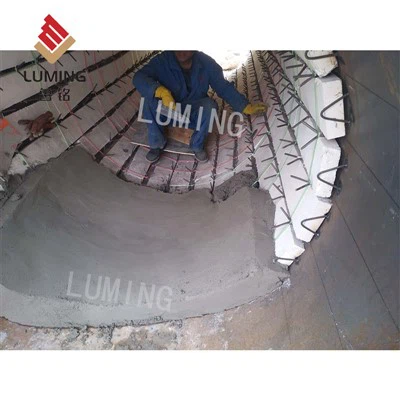
Hey there! As a fireclay brick supplier, I often get asked about the moisture absorption rate of fireclay bricks. It's a crucial factor that can impact the performance and durability of these bricks in various applications. So, let's dive right in and explore what the moisture absorption rate of fireclay brick is all about.
What is Fireclay Brick?
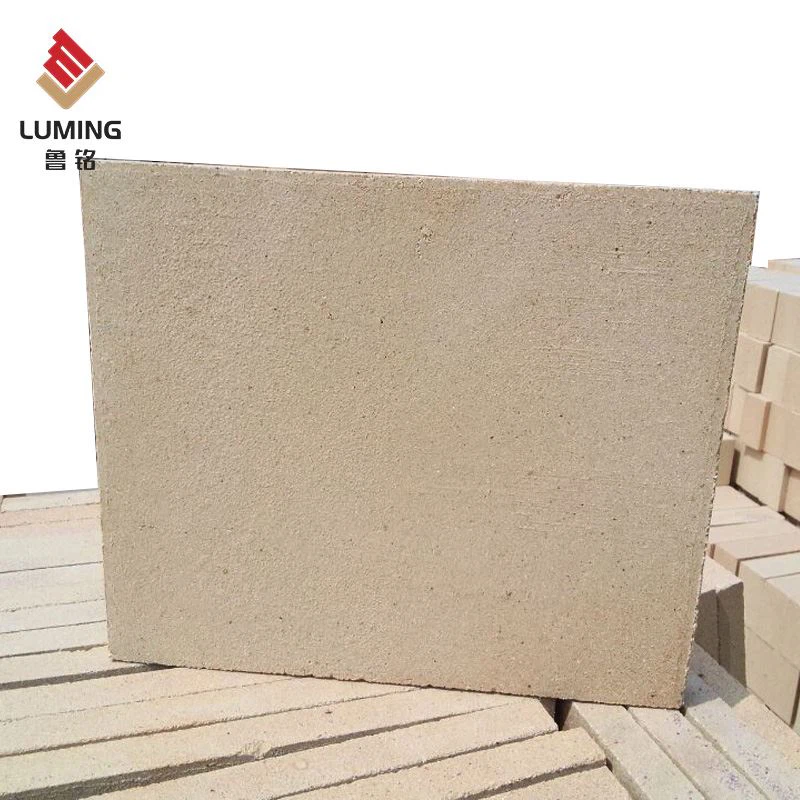
First off, let me give you a quick rundown on fireclay bricks. Fireclay bricks are made from fireclay, a type of clay that can withstand high temperatures without melting or deforming. They're commonly used in industries like metallurgy, ceramics, and glass manufacturing, as well as in fireplaces and kilns at home.
These bricks come in different shapes and sizes, like Fire Clay Block and Fire Clay Tile. There are also Low-porosity Fireclay Brick, which have special properties that make them suitable for specific uses.
Understanding Moisture Absorption Rate
The moisture absorption rate of a fireclay brick refers to the amount of water the brick can absorb when it's immersed in water for a certain period. It's usually expressed as a percentage of the brick's dry weight.
Why does it matter? Well, a high moisture absorption rate can lead to several issues. When a brick absorbs water, it can expand. If this happens repeatedly due to wet and dry cycles, the brick might crack or break over time. Also, in freezing temperatures, the water inside the brick can freeze and expand, causing even more damage.
On the other hand, a low moisture absorption rate is generally better. It means the brick is more resistant to water damage and can maintain its structural integrity for longer.
Factors Affecting Moisture Absorption Rate
Several factors can influence the moisture absorption rate of fireclay bricks.
Porosity
Porosity is probably the most significant factor. Porous bricks have more tiny holes or pores, which allow water to seep in more easily. So, bricks with high porosity tend to have a higher moisture absorption rate. That's why Low-porosity Fireclay Brick are designed to have fewer pores, reducing their water absorption and making them more durable.
Manufacturing Process
The way fireclay bricks are made also plays a role. The firing temperature and time during manufacturing can affect the porosity and density of the bricks. Higher firing temperatures usually result in denser bricks with lower porosity and moisture absorption rates.
Composition of Fireclay
The type of fireclay used and its chemical composition can impact the moisture absorption rate. Different fireclays have different properties, and some may be more resistant to water absorption than others.
Measuring the Moisture Absorption Rate
To measure the moisture absorption rate of a fireclay brick, a standard test is usually carried out. Here's a simplified version of how it's done:
- First, the brick is dried in an oven at a specific temperature until it reaches a constant weight. This gives us the dry weight of the brick.
- Then, the dried brick is immersed in water for a set period, typically 24 hours.
- After 24 hours, the brick is taken out of the water, and the surface water is wiped off.
- The brick is then weighed again. The difference between the wet weight and the dry weight is the amount of water the brick has absorbed.
- To calculate the moisture absorption rate, we divide the weight of the absorbed water by the dry weight of the brick and multiply by 100 to get a percentage.
Typical Moisture Absorption Rates
The moisture absorption rate of fireclay bricks can vary widely depending on the factors I mentioned earlier. Generally, common fireclay bricks may have a moisture absorption rate ranging from 5% to 20%. However, Low-porosity Fireclay Brick can have a moisture absorption rate as low as 2% or even less.

Importance in Different Applications
The moisture absorption rate is crucial in different applications of fireclay bricks.
Industrial Furnaces
In industrial furnaces, where bricks are exposed to high temperatures and sometimes to steam or other moist environments, a low moisture absorption rate is essential. Bricks with high water absorption can crack under thermal stress, leading to costly repairs and downtime.
Fireplaces at Home
For fireplaces in homes, bricks with a low moisture absorption rate are also preferred. They're more resistant to the moisture from burning wood and can last longer without getting damaged.
Outdoor Structures
If fireclay bricks are used in outdoor structures, they'll be exposed to rain and other weather conditions. A low moisture absorption rate helps prevent water damage and keeps the structure looking good and stable.
Our Fireclay Bricks and Moisture Absorption
As a fireclay brick supplier, we pay close attention to the moisture absorption rate of our products. We use high-quality fireclay and advanced manufacturing processes to ensure our bricks have the right porosity and moisture absorption characteristics.
Our Fire Clay Block and Fire Clay Tile are designed to have a low moisture absorption rate, making them suitable for a wide range of applications. And our Low-porosity Fireclay Brick are specifically engineered for applications where water resistance is critical.
Conclusion
So, there you have it - a detailed look at the moisture absorption rate of fireclay bricks. It's an important property that can significantly affect the performance and lifespan of these bricks. Whether you're building an industrial furnace, a home fireplace, or an outdoor structure, choosing fireclay bricks with the right moisture absorption rate is crucial.
If you're in the market for high-quality fireclay bricks, we'd love to hear from you. Our team of experts can help you select the best products for your specific needs. Don't hesitate to reach out for a chat about your project and how our fireclay bricks can meet your requirements.
References
- ASTM C20 - Standard Test Method for Apparent Porosity, Water Absorption, Bulk Density, and True Specific Gravity of Burned Refractory Brick and Shapes
- ASM Handbook Volume 13B: Corrosion: Materials, ASM International