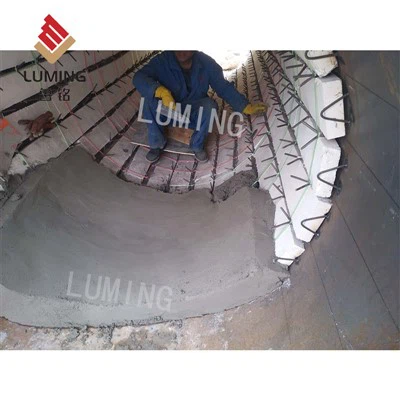
In the industrial domain, roasting kilns play a pivotal role in a wide array of processes. As a dedicated roasting kiln supplier, I have witnessed firsthand the dynamic and evolving market demand for these essential pieces of equipment. This blog post aims to delve into the various aspects of the market demand for roasting kilns, exploring the factors that drive it, the industries that rely on them, and the future trends that are likely to shape this demand.
Factors Driving the Market Demand for Roasting Kilns
Technological Advancements
One of the primary drivers of the market demand for roasting kilns is technological advancements. Modern roasting kilns are equipped with state - of - the - art features such as advanced temperature control systems, energy - efficient designs, and automated operation. These technological improvements not only enhance the performance and productivity of the kilns but also ensure better product quality. For example, the ability to precisely control the temperature in a roasting kiln can significantly improve the purity and consistency of the roasted materials. This has led to an increased demand from industries that require high - quality products, such as the chemical and metallurgical sectors.
Growing Industrialization
The process of industrialization across the globe is another major factor fueling the market demand for roasting kilns. As more and more countries are focusing on establishing and expanding their industrial sectors, the need for roasting kilns in various manufacturing processes has grown exponentially. For instance, in emerging economies, the growth of the steel and cement industries has directly contributed to the increased demand for roasting kilns. These kilns are used in the production of raw materials such as iron ore, limestone, and clay, which are essential for these industries.
Environmental Regulations
In recent years, environmental regulations have become increasingly stringent. This has put pressure on industries to adopt more environmentally friendly production processes. Roasting kilns can be designed to meet these environmental requirements by reducing emissions and improving energy efficiency. For example, some modern roasting kilns are equipped with advanced pollution control devices that can significantly reduce the release of harmful gases such as sulfur dioxide and nitrogen oxides. As a result, industries are more inclined to invest in these eco - friendly roasting kilns to comply with the regulations, thereby driving the market demand.
Industries Relying on Roasting Kilns
Metallurgical Industry
The metallurgical industry is one of the largest consumers of roasting kilns. In this industry, roasting kilns are used for a variety of purposes, including the extraction of metals from ores, the purification of metals, and the production of metal alloys. For example, in the extraction of copper from copper sulfide ores, roasting kilns are used to convert the sulfide ores into oxides, which can then be further processed to obtain pure copper. Similarly, in the production of steel, roasting kilns are used to pre - heat and roast iron ore, improving its reducibility and enhancing the efficiency of the steel - making process.
Chemical Industry
The chemical industry also has a significant demand for roasting kilns. Chemical processes often require high - temperature reactions to produce various chemicals and compounds. Roasting kilns provide the necessary heat and controlled environment for these reactions. For example, in the production of titanium dioxide, a widely used pigment in the paint and plastics industries, roasting kilns are used to calcine titanium slag or ilmenite to obtain pure titanium dioxide. The Vanadium - titanium Kiln is specifically designed for such processes in the chemical and metallurgical industries related to vanadium - titanium materials.
Cement Industry
In the cement industry, roasting kilns, typically referred to as rotary kilns, are the heart of the production process. These kilns are used to heat a mixture of limestone, clay, and other materials at extremely high temperatures (around 1450°C) to produce clinker, which is then ground to make cement. The efficiency and performance of the roasting kilns directly impact the quality and quantity of cement production. With the continuous growth of the construction industry worldwide, the demand for cement has been on the rise, leading to an increased demand for high - quality roasting kilns in the cement industry.
Food and Beverage Industry
Although not as well - known as in the above industries, the food and beverage industry also uses roasting kilns. In this industry, roasting kilns are used to roast coffee beans, nuts, and other food products. The roasting process not only enhances the flavor and aroma of the food products but also extends their shelf life. The growing global demand for high - quality coffee and snack foods has contributed to the increasing use of roasting kilns in the food and beverage industry.
Future Trends in the Market Demand for Roasting Kilns
Increased Focus on Energy Efficiency
As energy costs continue to rise and environmental concerns become more prominent, there will be an increased focus on energy - efficient roasting kilns. Manufacturers will be investing in research and development to design kilns that consume less energy while maintaining high performance. This could involve the use of advanced insulation materials, waste heat recovery systems, and more efficient heating technologies. For example, some new roasting kilns are being developed to utilize solar energy as a supplementary heat source, reducing the reliance on traditional fossil fuels.
Automation and Digitalization
The trend towards automation and digitalization will also have a significant impact on the market demand for roasting kilns. Automated roasting kilns can offer several advantages, such as improved process control, reduced labor costs, and increased productivity. With the integration of sensors and control systems, operators can monitor and adjust the roasting process in real - time, ensuring consistent product quality. Digitalization also enables remote monitoring and maintenance of the kilns, which can reduce downtime and improve overall efficiency.
Expansion into New Markets
With the globalization of industries, there will be an opportunity for roasting kiln suppliers to expand into new markets. Emerging economies in Asia, Africa, and South America are experiencing rapid industrial growth, and there is a growing demand for roasting kilns in these regions. These markets offer new business opportunities for suppliers, but they also come with challenges such as different regulatory requirements and cultural differences.
Conclusion
In conclusion, the market demand for roasting kilns is driven by a combination of factors, including technological advancements, growing industrialization, and environmental regulations. A wide range of industries, from metallurgy to food and beverage, rely on roasting kilns for their production processes. Looking ahead, the market is expected to witness trends such as increased focus on energy efficiency, automation and digitalization, and expansion into new markets.


If you are in the market for a high - quality roasting kiln, whether it is a Vanadium - titanium Kiln, a Coke Oven, or an Alumina Calcination Kiln, we are here to provide you with the best solutions. Our team of experts can help you select the most suitable roasting kiln for your specific requirements and offer comprehensive after - sales support. Contact us today to start the procurement discussion and take your business to the next level.
References
- Smith, J. (2022). Industrial Roasting Kilns: Technology and Applications. Industrial Press.
- Johnson, A. (2021). The Future of Roasting Kiln Technology. Journal of Industrial Engineering, 35(2), 45 - 58.
- Brown, C. (2020). Environmental Impact of Roasting Kilns and Sustainable Solutions. Environmental Science Review, 18(3), 78 - 92.