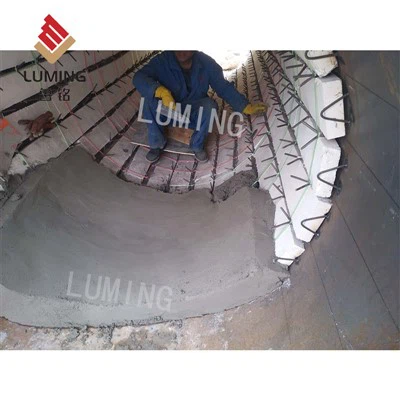
As a supplier of silica bricks, I've witnessed firsthand the growing interest in the energy efficiency of these remarkable refractory materials. In this blog, I'll delve into what energy efficiency means for silica bricks, how it's measured, and why it matters in various industrial applications.
Understanding Energy Efficiency in Silica Bricks
Energy efficiency, in the context of silica bricks, refers to the ability of these bricks to minimize energy loss during high - temperature processes. In industrial settings such as steelmaking, glass manufacturing, and cement production, large amounts of energy are required to maintain high temperatures. Silica bricks play a crucial role in containing this heat, and their energy efficiency can significantly impact the overall energy consumption of these processes.
One of the key factors contributing to the energy efficiency of silica bricks is their low thermal conductivity. Thermal conductivity is the property of a material that determines how easily heat can pass through it. Silica bricks have relatively low thermal conductivity compared to many other refractory materials. This means that they act as effective insulators, reducing the amount of heat that escapes from the furnace or kiln where they are installed.
For example, in a glass melting furnace, the use of energy - efficient silica bricks can help keep the high - temperature molten glass at the required temperature with less energy input. The bricks prevent heat from radiating outwards, allowing the furnace to operate more efficiently and reducing the need for additional fuel to maintain the temperature.
Measuring the Energy Efficiency of Silica Bricks
There are several ways to measure the energy efficiency of silica bricks. One common method is to measure their thermal conductivity. This is typically done in a laboratory setting using specialized equipment. The thermal conductivity is expressed in units of watts per meter - kelvin (W/m·K). A lower value of thermal conductivity indicates better insulation properties and, therefore, higher energy efficiency.
Another important metric is the heat capacity of the silica bricks. Heat capacity is the amount of heat energy required to raise the temperature of a given mass of the material by one degree Celsius. Silica bricks with a high heat capacity can store more heat energy, which can be beneficial in processes where there are fluctuations in temperature. They can absorb excess heat during periods of high - temperature operation and release it when the temperature drops, helping to maintain a more stable temperature within the furnace or kiln.
In addition to these physical properties, the installation and maintenance of silica bricks also play a role in their energy efficiency. Proper installation ensures that there are no gaps or cracks in the brick lining, which could allow heat to escape. Regular maintenance, such as inspecting for damage and replacing worn - out bricks, helps to keep the energy efficiency of the brick lining at an optimal level.


Types of Silica Bricks and Their Energy Efficiency
There are different types of silica bricks available, each with its own characteristics and energy - efficiency properties.
- Semi - silica Brick: Semi - silica Brick contains a lower percentage of silica compared to pure silica bricks. These bricks are often used in applications where the temperature requirements are not as extreme. They offer a good balance between cost and energy efficiency. Semi - silica bricks have relatively low thermal conductivity, which helps to reduce heat loss. However, their heat capacity may be slightly lower than that of pure silica bricks, depending on the specific composition.
- Silica Mullite Brick: Silica Mullite Brick combines the properties of silica and mullite, a high - temperature ceramic material. These bricks are known for their excellent thermal shock resistance and relatively high energy efficiency. The mullite component enhances the strength and durability of the bricks, while the silica provides good insulation properties. Silica mullite bricks are often used in applications such as steel ladles and glass tank regenerators, where they can withstand rapid temperature changes and still maintain their energy - efficient performance.
- Silica Refractory Brick: Silica Refractory Brick is made from high - purity silica and is designed for use in high - temperature applications. These bricks have very low thermal conductivity and high heat capacity, making them highly energy - efficient. They are commonly used in the lining of coke ovens, glass furnaces, and other industrial furnaces where extreme temperatures are encountered.
Benefits of Using Energy - Efficient Silica Bricks
The use of energy - efficient silica bricks offers several benefits to industrial users.
- Cost Savings: By reducing energy consumption, energy - efficient silica bricks can lead to significant cost savings for industrial facilities. The lower fuel consumption means lower operating costs, which can have a positive impact on the bottom line of the business.
- Environmental Sustainability: Reducing energy consumption also has environmental benefits. Less fuel is burned, which results in lower emissions of greenhouse gases and other pollutants. This helps industrial facilities to meet environmental regulations and contribute to a more sustainable future.
- Improved Process Performance: Energy - efficient silica bricks help to maintain a more stable temperature within the furnace or kiln, which can improve the quality of the products being manufactured. For example, in glass manufacturing, a stable temperature can result in better - quality glass with fewer defects.
Conclusion
The energy efficiency of silica bricks is a critical factor in their performance in industrial applications. As a supplier of silica bricks, I understand the importance of providing high - quality, energy - efficient products to our customers. Whether it's semi - silica bricks, silica mullite bricks, or silica refractory bricks, each type has its own unique energy - efficiency properties that can be tailored to specific industrial needs.
If you're interested in learning more about the energy efficiency of our silica bricks or are looking to purchase these products for your industrial processes, I encourage you to reach out to us. We can provide you with detailed information about our products, their energy - efficiency ratings, and how they can benefit your operations. Contact us today to start a discussion about your refractory needs and explore the potential of our energy - efficient silica bricks.
References
- ASTM International. Standard Test Methods for Thermal Conductivity of Refractory Materials by Hot - Wire (Platinum) Method. ASTM C1113 - 19.
- Kingery, W. D., Bowen, H. K., & Uhlmann, D. R. (1976). Introduction to Ceramics. John Wiley & Sons.
- Norton, F. H. (1974). Refractories. McGraw - Hill.