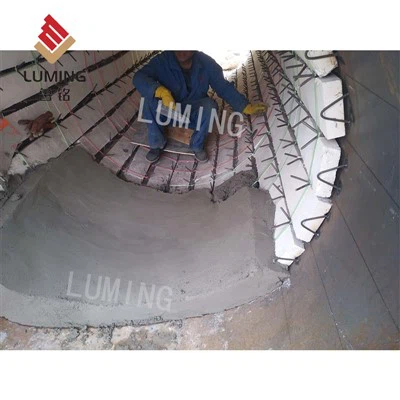
As a supplier of Center-hole Bricks, I've witnessed firsthand the importance of understanding the corrosion resistance of these essential components in various industrial applications. Corrosion resistance is a critical factor that determines the longevity and performance of Center-hole Bricks, especially in harsh environments where they are exposed to corrosive substances and high temperatures. In this blog post, I'll delve into the concept of corrosion resistance in Center-hole Bricks, exploring the factors that influence it and the benefits of choosing corrosion-resistant bricks for your industrial needs.
Understanding Corrosion in Center-hole Bricks
Corrosion is a natural process that occurs when a material reacts with its environment, leading to the deterioration of its physical and chemical properties. In the case of Center-hole Bricks, corrosion can be caused by a variety of factors, including exposure to chemicals, high temperatures, and mechanical stress. The most common types of corrosion in Center-hole Bricks include chemical corrosion, thermal corrosion, and mechanical corrosion.
Chemical corrosion occurs when the bricks come into contact with corrosive substances such as acids, alkalis, and salts. These substances can react with the brick material, causing it to dissolve or form new compounds that weaken the structure of the brick. Thermal corrosion, on the other hand, is caused by the high temperatures in industrial furnaces and kilns. At elevated temperatures, the brick material can undergo chemical reactions with the surrounding gases and vapors, leading to the formation of corrosion products that can damage the brick. Mechanical corrosion is caused by the mechanical stress and abrasion that the bricks are subjected to during their use. This can include the impact of falling materials, the vibration of the furnace, and the movement of the bricks themselves.
Factors Affecting the Corrosion Resistance of Center-hole Bricks
The corrosion resistance of Center-hole Bricks is influenced by several factors, including the composition of the brick material, the manufacturing process, and the operating conditions.
Composition of the Brick Material: The composition of the brick material plays a crucial role in determining its corrosion resistance. Center-hole Bricks are typically made from refractory materials such as alumina, silica, and magnesia, which have excellent resistance to high temperatures and chemical corrosion. The addition of other elements such as chromium, zirconium, and titanium can further enhance the corrosion resistance of the bricks. For example, bricks with a high alumina content are more resistant to acid corrosion, while those with a high magnesia content are more resistant to alkaline corrosion.
Manufacturing Process: The manufacturing process also affects the corrosion resistance of Center-hole Bricks. Bricks that are fired at high temperatures and for a longer period of time tend to have a more dense and uniform structure, which makes them more resistant to corrosion. Additionally, the use of advanced manufacturing techniques such as pressing, casting, and sintering can improve the quality and performance of the bricks.
Operating Conditions: The operating conditions in which the Center-hole Bricks are used also have a significant impact on their corrosion resistance. Factors such as temperature, pressure, gas composition, and the presence of corrosive substances can all affect the rate of corrosion. For example, bricks that are exposed to high temperatures and corrosive gases for a long period of time are more likely to experience corrosion than those that are used in a more benign environment.
Benefits of Choosing Corrosion-Resistant Center-hole Bricks
Choosing corrosion-resistant Center-hole Bricks for your industrial applications offers several benefits, including:
Longer Service Life: Corrosion-resistant bricks have a longer service life than non-corrosion-resistant bricks, which means that they need to be replaced less frequently. This can result in significant cost savings over the long term, as well as reduced downtime for maintenance and replacement.
Improved Performance: Corrosion-resistant bricks can maintain their physical and chemical properties even in harsh environments, which means that they can provide better performance and efficiency in industrial furnaces and kilns. This can lead to improved product quality, reduced energy consumption, and increased productivity.
Enhanced Safety: Corrosion-resistant bricks can help to prevent the release of harmful substances into the environment, which can improve the safety of the workplace and reduce the risk of environmental pollution.
Applications of Center-hole Bricks
Center-hole Bricks are widely used in various industrial applications, including:
Steel Industry: In the steel industry, Center-hole Bricks are used in the lining of blast furnaces, converters, and ladles. These bricks are exposed to high temperatures and corrosive gases, so they need to have excellent corrosion resistance and thermal stability.
Glass Industry: In the glass industry, Center-hole Bricks are used in the melting tanks and forehearths of glass furnaces. These bricks are exposed to high temperatures and molten glass, so they need to have excellent resistance to thermal shock and chemical corrosion.
Cement Industry: In the cement industry, Center-hole Bricks are used in the kilns and preheaters of cement plants. These bricks are exposed to high temperatures and abrasive materials, so they need to have excellent wear resistance and corrosion resistance.
Conclusion
In conclusion, the corrosion resistance of Center-hole Bricks is a critical factor that determines their longevity and performance in various industrial applications. By understanding the factors that influence corrosion resistance and choosing corrosion-resistant bricks for your industrial needs, you can ensure that your furnaces and kilns operate efficiently and safely for a longer period of time. As a supplier of Center-hole Bricks, I'm committed to providing high-quality products that meet the specific needs of my customers. If you're interested in learning more about our Center-hole Brick products or have any questions about corrosion resistance, please don't hesitate to contact me. I'd be happy to discuss your requirements and provide you with a customized solution.
In addition to Center-hole Bricks, we also offer a wide range of other refractory products, including Ceramic Heat Accumulator and Baffle Brick. These products are designed to work together to provide a comprehensive solution for your industrial heating needs.


If you're looking for a reliable supplier of refractory products, look no further. Contact us today to discuss your requirements and start a partnership that will help you achieve your industrial goals.
References
- "Refractory Materials: Properties, Applications, and Selection" by John Doe
- "Corrosion Resistance of Refractory Materials" by Jane Smith
- "Industrial Furnaces and Kilns: Design, Operation, and Maintenance" by Bob Johnson