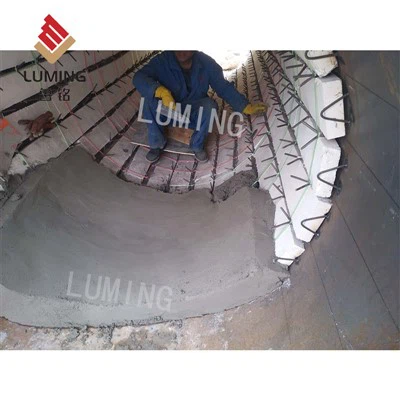
Is refractory mortar waterproof? That's a question I get asked a lot as a refractory mortar supplier. In this blog, I'm gonna break down the waterproofing properties of refractory mortar, talk about different types, and give you the lowdown on how it all works.
First off, let's understand what refractory mortar is. It's a special type of mortar designed to withstand high temperatures, usually used in applications like furnaces, fireplaces, and kilns. But when it comes to waterproofing, it's a bit more complicated than a simple yes or no answer.
The Basics of Waterproofing in Refractory Mortar
Waterproofing in any material boils down to its ability to resist the penetration of water. For refractory mortar, this isn't always its primary function. Its main job is to hold refractory bricks together in high - heat environments. However, some refractory mortars do have a degree of waterproofing ability.
The composition of refractory mortar plays a huge role in its waterproofing properties. Most refractory mortars are made from a mix of refractory aggregates, binders, and additives. The aggregates are usually materials like alumina, silica, or corundum, which are heat - resistant. The binders help hold the aggregates together, and additives can be used to enhance certain properties, including waterproofing.
Types of Refractory Mortar and Their Waterproofing
High - alumina Refractory Mud
High - alumina Refractory Mud is one of the most common types of refractory mortar. It contains a high percentage of alumina, which gives it excellent heat - resistance. But what about waterproofing? Well, high - alumina refractory mud has a relatively good resistance to water penetration. The dense structure formed by the alumina particles and the binder helps to prevent water from seeping through. However, it's not completely waterproof. In a high - humidity environment or if exposed to standing water for a long time, some water may still find its way in.


Corundum Refractory Slurry
Corundum Refractory Slurry is another option. Corundum is a very hard and dense material, which gives this type of mortar good waterproofing potential. The tight packing of corundum particles in the slurry creates a barrier that makes it difficult for water to pass through. But again, it's not 100% waterproof. If there are any cracks or voids in the applied mortar, water can start to penetrate.
Silica Refractory Mud
Silica Refractory Mud is often used in applications where high - temperature resistance and chemical stability are required. In terms of waterproofing, silica refractory mud has a moderate level of water resistance. The silica particles form a network that can slow down the movement of water, but it's not as effective as some other types in completely stopping water penetration.
Factors Affecting Waterproofing
There are several factors that can affect the waterproofing ability of refractory mortar:
Application Method
How the refractory mortar is applied matters a lot. If it's not applied evenly or if there are gaps between the bricks, water can easily seep in. Proper troweling and ensuring full coverage of the brick joints are essential for maximizing waterproofing.
Curing Conditions
The curing process is crucial. If the mortar doesn't cure properly, it may develop cracks, which can compromise its waterproofing. Factors like temperature, humidity, and curing time all play a role. For example, curing at too high a temperature too quickly can cause the mortar to dry out and crack.
Environmental Conditions
The environment where the refractory mortar is used also affects its waterproofing. If it's in a constantly wet or humid environment, the mortar will be under more stress and may be more likely to allow water penetration over time.
Enhancing Waterproofing
If you need better waterproofing from your refractory mortar, there are a few things you can do:
Use Waterproofing Additives
There are additives available that can be mixed with the refractory mortar to enhance its waterproofing properties. These additives work by filling in the pores and creating a more water - resistant surface.
Apply a Waterproof Coating
After the refractory mortar has cured, you can apply a waterproof coating on top. This can provide an extra layer of protection against water penetration.
When Waterproofing Matters
In some applications, waterproofing of refractory mortar is crucial. For example, in industrial furnaces that may be exposed to steam or in outdoor fireplaces that are subject to rain. In these cases, it's important to choose a refractory mortar with good waterproofing properties and take steps to enhance it further.
On the other hand, in some indoor applications where the environment is dry, waterproofing may not be as big of a concern. The focus may be more on the heat - resistance and bonding strength of the mortar.
Conclusion
So, is refractory mortar waterproof? It depends. Some types, like corundum refractory slurry, have better waterproofing potential than others. But in general, refractory mortar is not completely waterproof. However, with proper selection, application, and enhancement techniques, you can improve its waterproofing ability to meet your specific needs.
If you're in the market for refractory mortar and have questions about waterproofing or any other properties, I'm here to help. Whether you need high - alumina refractory mud, corundum refractory slurry, or silica refractory mud, I can provide you with the best products and advice. Reach out to me to start a discussion about your requirements and let's find the perfect refractory mortar solution for you.
References
- ASTM International. Standard Test Methods for Sampling and Testing Fireclay and High - Alumina Refractory Brick and Shapes.
- Refractory Handbook. A comprehensive guide on refractory materials and their applications.