As a supplier of corundum bricks, I've witnessed firsthand the growing demand for high - quality refractory materials in various industries. In this blog, I'll delve into the fire - proofing properties of corundum brick, exploring what makes it such a reliable choice for applications where extreme heat is a constant challenge.
Composition and Structure of Corundum Brick
Corundum brick is primarily composed of corundum, which is a crystalline form of aluminum oxide (Al₂O₃). The high content of aluminum oxide, often above 90% in high - grade corundum bricks, is the key to its excellent fire - proofing capabilities. The crystal structure of corundum is very stable, with strong covalent bonds between aluminum and oxygen atoms. This stable structure allows corundum bricks to withstand high temperatures without significant deformation or chemical breakdown.
The manufacturing process of corundum bricks also contributes to their structure. During production, high - purity raw materials are carefully selected and processed. The raw materials are first crushed, milled, and then formed into brick shapes through methods like pressing or casting. After that, the bricks are fired at extremely high temperatures, usually above 1600°C. This high - temperature firing process further strengthens the crystal structure of the corundum, enhancing its density and reducing porosity. A lower porosity means less space for heat to penetrate through the brick, thus improving its fire - proofing performance.
High Melting Point
One of the most remarkable fire - proofing properties of corundum brick is its extremely high melting point. Corundum has a melting point of around 2054°C, which is significantly higher than many other common refractory materials. This high melting point enables corundum bricks to maintain their solid state even in the most intense heat environments. For example, in steelmaking furnaces, where temperatures can reach up to 1700°C, corundum bricks can serve as a reliable lining material, preventing the furnace walls from melting and ensuring the normal operation of the production process.
In comparison, some other refractory materials may start to soften or even melt at much lower temperatures. For instance, certain types of clay - based refractory bricks have melting points in the range of 1300 - 1500°C. When exposed to temperatures close to or above their melting points, these bricks will lose their structural integrity, leading to furnace failures and production disruptions. The high melting point of corundum bricks gives them a distinct advantage in high - temperature applications.
Thermal Conductivity
Thermal conductivity is another important factor in evaluating the fire - proofing properties of a material. Corundum bricks have relatively low thermal conductivity. This means that they are not good conductors of heat, and they can effectively slow down the transfer of heat from the hot side to the cold side of the brick.
In industrial furnaces, the ability to reduce heat transfer is crucial for energy efficiency. When corundum bricks are used as furnace linings, they can minimize the heat loss through the furnace walls. This not only saves energy but also helps to maintain a stable temperature inside the furnace, which is essential for the quality of the products being processed. For example, in glass - making furnaces, a stable temperature is required to ensure the uniform melting and shaping of the glass. The low thermal conductivity of corundum bricks helps to achieve this goal by preventing excessive heat from escaping the furnace.
Chemical Stability
Corundum bricks exhibit excellent chemical stability in high - temperature environments. They are resistant to the attack of various chemical substances, such as acids, alkalis, and molten metals. In metal - smelting processes, molten metals can be highly corrosive to refractory materials. However, corundum bricks can withstand the chemical erosion of molten iron, steel, and other metals.
In addition, in some chemical industries, where furnaces are used to process corrosive chemicals, corundum bricks can also maintain their integrity. For example, in the production of certain chemicals that involve strong acids or alkalis, the chemical stability of corundum bricks ensures that the furnace lining will not be damaged by these corrosive substances. This chemical stability is closely related to the high - purity aluminum oxide content in corundum bricks. The stable crystal structure of corundum makes it less reactive with other chemicals, providing long - term protection for industrial equipment.
Different Types of Corundum Bricks and Their Fire - Proofing Features
There are several types of corundum bricks available in the market, each with its own unique fire - proofing features.
Refractory Corundum Brick is the most basic type. It is made from high - purity corundum raw materials and is known for its high melting point, low thermal conductivity, and good chemical stability. It is widely used in general high - temperature applications, such as in the lining of small - to - medium - sized industrial furnaces.


Zirconia - corundum Brick is a special type of corundum brick that contains zirconia (ZrO₂) in addition to corundum. Zirconia can further improve the thermal shock resistance of the brick. Thermal shock occurs when a material is subjected to rapid temperature changes, which can cause cracking and damage. The addition of zirconia helps the brick to better withstand these sudden temperature variations. This type of brick is often used in applications where thermal shock is a significant concern, such as in some heat - treatment furnaces.
Chrome - corundum Brick contains chromium oxide (Cr₂O₃) along with corundum. Chrome - corundum bricks have enhanced corrosion resistance, especially against certain types of slag and molten metals. In steelmaking and non - ferrous metal - smelting industries, where slag is generated during the production process, chrome - corundum bricks can resist the corrosion of the slag, extending the service life of the furnace lining.
Applications in Different Industries
Corundum bricks are widely used in a variety of industries due to their excellent fire - proofing properties.
In the steel industry, corundum bricks are used in blast furnaces, electric arc furnaces, and ladles. In blast furnaces, they line the hearth, bosh, and stack, where they are exposed to high temperatures and corrosive gases. In electric arc furnaces, corundum bricks help to contain the intense heat generated during the melting of scrap steel. In ladles, they prevent the molten steel from reacting with the ladle walls and ensure the safe transportation and pouring of the steel.
The glass industry also relies heavily on corundum bricks. Glass - making furnaces require a lining material that can withstand high temperatures and chemical corrosion. Corundum bricks are used to line the melting tanks, where they are in contact with molten glass. Their high melting point, low thermal conductivity, and chemical stability make them an ideal choice for this application.
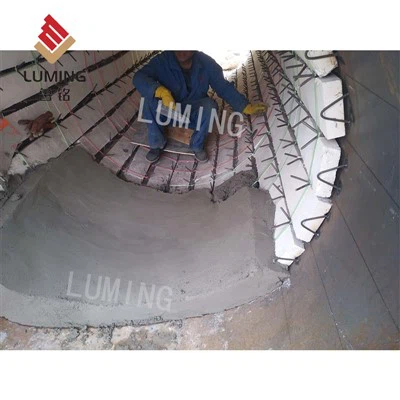
In the cement industry, corundum bricks are used in rotary kilns. Rotary kilns operate at high temperatures for long periods, and the lining materials need to have good fire - proofing and wear - resistant properties. Corundum bricks can withstand the high - temperature environment and the abrasion caused by the movement of the cement raw materials inside the kiln.
Conclusion
In conclusion, the fire - proofing properties of corundum brick, including its high melting point, low thermal conductivity, chemical stability, and resistance to thermal shock and corrosion, make it an outstanding refractory material. Different types of corundum bricks, such as Refractory Corundum Brick, Zirconia - corundum Brick, and Chrome - corundum Brick, offer a wide range of options to meet the specific needs of different industries.
If you are in need of high - quality corundum bricks for your industrial applications, I invite you to contact us for procurement and further discussions. We have a team of experts who can provide you with professional advice and customized solutions based on your specific requirements. Let's work together to ensure the success of your high - temperature processes.
References
- "Refractory Materials: Properties and Applications" by John Smith.
- "High - Temperature Materials Science" by Jane Doe.
- Industry reports on refractory materials and their applications in steel, glass, and cement industries.