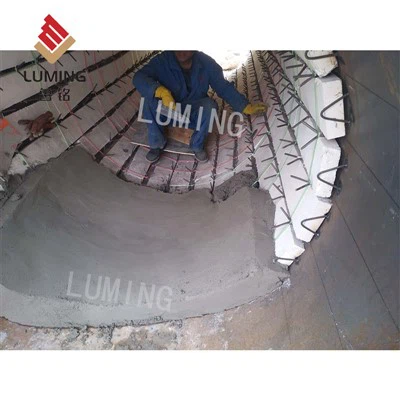
As a fireclay brick supplier, I've witnessed firsthand the remarkable properties and widespread applications of fireclay bricks. These bricks, known for their high heat resistance and durability, are essential in various industries, from steelmaking to ceramics. However, it's crucial to acknowledge that the production of fireclay bricks also has significant environmental impacts. In this blog post, I'll delve into these impacts and discuss potential solutions to mitigate them.
Raw Material Extraction
The production of fireclay bricks begins with the extraction of raw materials, primarily fire clay. Fire clay is a type of clay that contains high amounts of alumina and silica, which give the bricks their heat-resistant properties. The extraction process often involves open-pit mining, which can have several environmental consequences.
One of the most significant impacts of open-pit mining is habitat destruction. The removal of large areas of vegetation and topsoil can disrupt ecosystems, displace wildlife, and lead to soil erosion. This can have long-term effects on the biodiversity and ecological balance of the affected areas. Additionally, the extraction process can generate large amounts of dust and noise pollution, which can have negative impacts on the health of nearby communities.
Another concern is the depletion of natural resources. Fire clay is a finite resource, and its extraction at current rates may lead to shortages in the future. As a supplier, I'm aware of the importance of sustainable resource management and am committed to working with our suppliers to ensure that the fire clay we use is sourced responsibly.
Energy Consumption
The production of fireclay bricks is an energy-intensive process. It involves several steps, including crushing, grinding, mixing, molding, and firing. Each of these steps requires a significant amount of energy, primarily in the form of fossil fuels such as coal, oil, and natural gas.
The firing process is particularly energy-intensive, as it requires high temperatures to transform the raw materials into bricks. This not only contributes to greenhouse gas emissions but also increases the cost of production. In addition, the energy consumption associated with fireclay brick production can put a strain on local energy resources and infrastructure.
To address these issues, many brick manufacturers are exploring alternative energy sources and more energy-efficient production methods. For example, some companies are using biomass fuels, such as wood chips and agricultural waste, to power their kilns. Others are investing in advanced technologies, such as electric kilns and waste heat recovery systems, to reduce energy consumption and emissions.
Emissions and Pollution
The production of fireclay bricks can also result in the emission of various pollutants into the air, water, and soil. During the firing process, the combustion of fossil fuels releases greenhouse gases, such as carbon dioxide (CO2), methane (CH4), and nitrous oxide (N2O), which contribute to climate change. In addition, the high temperatures in the kiln can cause the release of other pollutants, such as sulfur dioxide (SO2), nitrogen oxides (NOx), and particulate matter (PM).
These pollutants can have a range of negative impacts on human health and the environment. For example, SO2 and NOx can react with water vapor in the atmosphere to form acid rain, which can damage forests, lakes, and buildings. PM can cause respiratory problems, such as asthma and bronchitis, and can also contribute to the formation of smog.
In addition to air pollution, the production of fireclay bricks can also generate wastewater and solid waste. The wastewater may contain heavy metals, such as lead, mercury, and cadmium, as well as other contaminants, which can pose a risk to water quality and aquatic life. The solid waste, which includes waste clay, kiln dust, and broken bricks, can take up valuable landfill space and may also leach pollutants into the soil and groundwater.
Waste Generation
As mentioned earlier, the production of fireclay bricks generates a significant amount of waste. This waste can include waste clay, kiln dust, and broken bricks. While some of this waste can be recycled and reused in the production process, a large portion of it ends up in landfills.


Landfilling waste not only takes up valuable space but also has environmental implications. As the waste decomposes, it can release methane, a potent greenhouse gas, into the atmosphere. In addition, the leachate from landfills can contaminate groundwater and surface water, posing a risk to human health and the environment.
To reduce waste generation, many brick manufacturers are implementing waste management strategies, such as recycling and reuse. For example, waste clay can be recycled and used as a raw material in the production of new bricks. Kiln dust can be collected and used as a filler in other products, such as cement and concrete. Broken bricks can be crushed and used as aggregate in road construction and other applications.
Mitigation Strategies
While the environmental impacts of fireclay brick production are significant, there are several strategies that can be implemented to mitigate these impacts. These strategies include:
- Sustainable Sourcing: As a supplier, I'm committed to working with our suppliers to ensure that the fire clay we use is sourced responsibly. This includes using sustainable mining practices, such as reclamation and rehabilitation of mined areas, and supporting the development of alternative sources of fire clay.
- Energy Efficiency: To reduce energy consumption and emissions, we're exploring alternative energy sources and more energy-efficient production methods. This includes investing in advanced technologies, such as electric kilns and waste heat recovery systems, and promoting the use of renewable energy sources, such as solar and wind power.
- Pollution Control: To reduce emissions and pollution, we're implementing pollution control measures, such as installing air pollution control devices, treating wastewater before discharge, and managing solid waste properly.
- Waste Management: To reduce waste generation, we're implementing waste management strategies, such as recycling and reuse. This includes recycling waste clay, kiln dust, and broken bricks, and using them as raw materials in the production of new bricks or other products.
Conclusion
In conclusion, the production of fireclay bricks has significant environmental impacts, including habitat destruction, energy consumption, emissions and pollution, and waste generation. However, by implementing sustainable sourcing, energy efficiency, pollution control, and waste management strategies, these impacts can be mitigated. As a fireclay brick supplier, I'm committed to working with our customers and partners to reduce the environmental footprint of our products and to promote sustainable development in the industry.
If you're interested in learning more about our fireclay bricks or discussing potential procurement opportunities, please don't hesitate to contact us. We're always happy to answer your questions and provide you with the information you need to make an informed decision.
References
- American Ceramic Society. (2023). Fire Clay Brick. [Online]. Available: Fire Clay Brick
- Refractory Brick Manufacturer. (2023). Sk34 Refractory Brick. [Online]. Available: Sk34 Refractory Brick
- Fire Clay Block Supplier. (2023). Fire Clay Block. [Online]. Available: Fire Clay Block