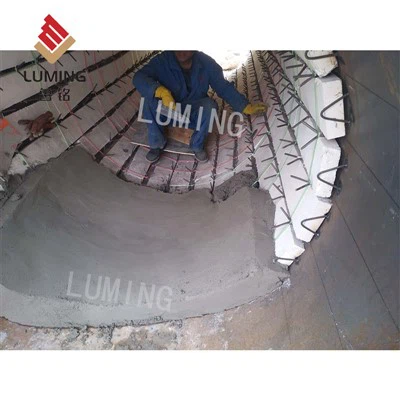
Cement kilns are essential in the cement manufacturing process, playing a crucial role in transforming raw materials into clinker, a key component of cement. However, like many industrial processes, cement kilns have significant environmental impacts. As a cement kiln supplier, it's important to understand these impacts to better inform our customers and promote sustainable practices in the industry.
Air Pollution
One of the most significant environmental impacts of cement kilns is air pollution. The high - temperature combustion processes in cement kilns release several air pollutants.


Greenhouse Gas Emissions
The production of cement is a major contributor to global greenhouse gas emissions. Cement kilns emit large amounts of carbon dioxide (CO₂). When limestone (calcium carbonate, CaCO₃) is heated in the kiln, it decomposes into calcium oxide (CaO) and releases CO₂. This chemical process, along with the combustion of fossil fuels to provide heat for the kiln, results in substantial CO₂ emissions. On average, producing one ton of cement can generate about 0.9 tons of CO₂. These emissions contribute to global warming and climate change by enhancing the greenhouse effect.
Particulate Matter
Cement kilns also emit particulate matter (PM). These are tiny solid or liquid particles suspended in the air. The sources of particulate matter include the raw materials being processed, dust from the kiln operation, and combustion by - products. Fine particulate matter, especially PM₂.₅ (particles with a diameter of 2.5 micrometers or less), can penetrate deep into the lungs and cause respiratory problems such as asthma, bronchitis, and even lung cancer. Coarser particles (PM₁₀) can also irritate the eyes, nose, and throat.
Nitrogen Oxides (NOₓ) and Sulfur Dioxide (SO₂)
Nitrogen oxides are formed during the high - temperature combustion of fuels in the cement kiln. They contribute to the formation of smog, acid rain, and ground - level ozone. Acid rain can damage forests, lakes, and buildings. Ground - level ozone is a harmful air pollutant that can cause respiratory issues and damage to crops. Sulfur dioxide is released when sulfur - containing fuels are burned or when sulfur - bearing raw materials are processed. It can also lead to acid rain and respiratory problems in humans.
Water Pollution
Cement kilns can also have an impact on water quality.
Wastewater Discharges
The cement manufacturing process generates wastewater, which may contain heavy metals, suspended solids, and other pollutants. Heavy metals such as lead, mercury, and cadmium can be present in the raw materials or can be introduced through the use of certain additives. If this wastewater is not properly treated before being discharged into water bodies, it can contaminate water sources, harm aquatic life, and make water unfit for human consumption and other uses.
Runoff
Rainwater runoff from cement kiln sites can carry pollutants such as dust, chemicals, and heavy metals into nearby waterways. The runoff can also cause sedimentation in rivers and lakes, which can disrupt aquatic ecosystems by reducing light penetration and smothering aquatic plants and animals.
Noise Pollution
Cement kilns are noisy operations. The machinery, fans, and other equipment used in the kiln and associated cement manufacturing processes generate significant noise. Prolonged exposure to high - level noise can cause hearing loss and other health problems for workers at the cement plant. In addition, the noise can also affect nearby communities, causing annoyance, sleep disturbance, and stress.
Land Use and Resource Depletion
Land Use
Cement kilns and associated cement plants require a large amount of land for their operations. This includes the area for the kiln itself, storage facilities for raw materials and finished products, and waste disposal sites. The construction and operation of these facilities can lead to the destruction of natural habitats, deforestation, and the loss of agricultural land.
Resource Depletion
The cement manufacturing process is highly resource - intensive. It requires large amounts of raw materials such as limestone, clay, and shale. The extraction of these raw materials from quarries can lead to soil erosion, habitat destruction, and the depletion of natural resources. Additionally, the energy required to operate cement kilns is substantial, often relying on non - renewable fossil fuels such as coal and oil, which are also being depleted at an alarming rate.
Mitigation Strategies
As a cement kiln supplier, we are committed to promoting solutions that can mitigate the environmental impacts of cement kilns.
Advanced Pollution Control Technologies
We offer cement kilns equipped with advanced pollution control technologies. For example, electrostatic precipitators and bag filters can be used to capture particulate matter, reducing PM emissions. Selective catalytic reduction (SCR) systems can be installed to reduce nitrogen oxide emissions. In addition, desulfurization units can be used to remove sulfur dioxide from the kiln flue gases.
Alternative Fuels and Raw Materials
Using alternative fuels such as biomass, waste plastics, and tires in cement kilns can reduce the reliance on fossil fuels and lower greenhouse gas emissions. Some of these alternative fuels can also help in the proper disposal of waste materials. Moreover, using alternative raw materials, such as industrial by - products like fly ash and slag, can reduce the consumption of natural resources and lower the environmental impact of raw material extraction.
Energy Efficiency Improvements
We focus on developing cement kilns with improved energy efficiency. This can be achieved through better insulation, advanced heat recovery systems, and optimized kiln designs. By reducing the energy consumption of cement kilns, we can not only lower operating costs for our customers but also reduce the associated environmental impacts, such as greenhouse gas emissions from fuel combustion.
Other Types of Kilns and Their Relevance
In addition to cement kilns, there are other types of kilns with different applications. For instance, the Lime Kiln is used in the production of lime, which has various industrial applications including water treatment and steelmaking. The Zinc Extraction Kiln is crucial in the zinc mining and refining industry, helping to extract zinc from its ores. The Vanadium - titanium Kiln is used in the processing of vanadium - titanium ores, which are important for the production of high - strength alloys.
Conclusion and Call to Action
Understanding the environmental impacts of cement kilns is essential for the sustainable development of the cement industry. As a cement kiln supplier, we are dedicated to providing our customers with kilns that are not only efficient in production but also environmentally friendly. We believe that by adopting advanced technologies, using alternative fuels and raw materials, and improving energy efficiency, we can significantly reduce the environmental footprint of cement kilns.
If you are interested in learning more about our cement kilns or other types of kilns, and how they can meet your production needs while minimizing environmental impacts, we welcome you to contact us for a detailed discussion. Our team of experts is ready to assist you in making the right choice for your business.
References
- IPCC. (2018). Special Report on Global Warming of 1.5°C.
- World Health Organization. (2019). Air Quality Guidelines.
- American Coal Ash Association. (2020). Fly Ash Use in Cement and Concrete.