Hey there! As a supplier of Lime Kilns, I've seen firsthand the ins and outs of operating these crucial pieces of equipment. In this blog, I'm gonna share some of the best practices for running a Lime Kiln efficiently and safely. So, let's dive right in!
1. Pre - operation Checks
Before you even think about firing up the Lime Kiln, a thorough pre - operation check is a must. First off, inspect the mechanical components. Look at the gears, belts, and bearings. Make sure there's no excessive wear and tear. A loose belt or a worn - out bearing can lead to major breakdowns during operation, which can cost you both time and money.
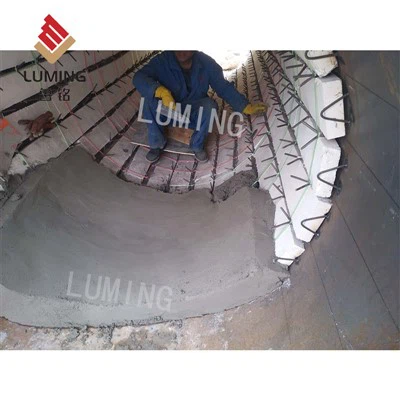
Check the refractory lining of the kiln as well. The refractory is what protects the outer shell of the kiln from the extreme heat generated inside. Any cracks or damage in the refractory can not only reduce the kiln's efficiency but also pose a safety risk. If you notice any issues, it's best to get them fixed before starting the kiln.
Also, don't forget to test all the sensors and control systems. These are the eyes and ears of the kiln, helping you monitor temperature, pressure, and other important parameters. Faulty sensors can give inaccurate readings, leading to improper operation and potentially dangerous situations.
2. Fuel Management
Fuel is the lifeblood of a Lime Kiln, and managing it properly is key to efficient operation. There are different types of fuels you can use, such as natural gas, coal, or oil. Each has its own pros and cons, and the choice depends on factors like cost, availability, and environmental regulations.
For natural gas, make sure the supply lines are leak - free. Gas leaks are not only a waste of fuel but can also be extremely dangerous. Check the burners regularly to ensure they are clean and functioning correctly. A dirty burner can cause uneven combustion, leading to incomplete decomposition of limestone and reduced lime quality.
If you're using coal, pay attention to its quality. The ash content, volatile matter, and calorific value of coal can significantly affect the kiln's performance. aim for a consistent quality of coal to maintain stable operation. And don't forget to store the coal in a dry place to prevent it from getting wet, which can reduce its heating value.
3. Feed Quality
The quality of the limestone feed directly impacts the output of the Lime Kiln. Start by using high - quality limestone. Limestone with a high calcium carbonate content will produce higher - quality lime. The size of the limestone particles also matters. A well - sized feed ensures even heat transfer and better decomposition. Generally, a particle size range of 10 - 50 mm is ideal.
Screen the limestone before feeding it into the kiln to remove any impurities like dirt, clay, or other foreign materials. These impurities can reduce the efficiency of the kiln and contaminate the final product. And make sure the feed rate is consistent. A fluctuating feed rate can cause temperature variations inside the kiln, affecting the quality of the lime.
4. Temperature Control
Temperature is one of the most critical factors in Lime Kiln operation. The decomposition of limestone into lime (calcium oxide) occurs at around 900 - 1000°C. Maintaining a stable temperature within this range is essential for producing high - quality lime.
Use the temperature sensors I mentioned earlier to closely monitor the temperature inside the kiln. If the temperature is too low, the limestone won't fully decompose, resulting in under - burned lime. On the other hand, if the temperature is too high, you might end up with over - burned lime, which has reduced reactivity.
Adjust the fuel flow and air supply to control the temperature. An appropriate air - fuel ratio is crucial for efficient combustion and temperature control. For example, if the temperature is dropping, you might need to increase the fuel flow or adjust the air intake to ensure complete combustion.
5. Air Supply
Proper air supply is necessary for the combustion process in the Lime Kiln. The air not only provides the oxygen needed for fuel combustion but also helps in the heat transfer within the kiln.
Make sure the air intake is not blocked. Debris or dirt can accumulate at the air intake, reducing the amount of air getting into the kiln. This can lead to incomplete combustion and lower temperatures. Also, adjust the air supply according to the fuel type and the load on the kiln. Different fuels require different air - fuel ratios for optimal combustion.
6. Maintenance and Cleaning
Regular maintenance and cleaning are vital for the long - term performance of the Lime Kiln. Schedule routine maintenance checks to inspect all the components inside and outside the kiln. Replace any worn - out parts promptly to prevent major breakdowns.
Clean the kiln regularly to remove any limestone deposits or ash. These deposits can build up over time and reduce the kiln's efficiency. For example, deposits on the refractory lining can insulate it, affecting heat transfer. Use appropriate cleaning methods and equipment to ensure a thorough clean without damaging the kiln.
7. Safety Measures
Safety should always be a top priority when operating a Lime Kiln. Train all the personnel involved in the operation on safety procedures. Provide them with the necessary personal protective equipment (PPE), such as heat - resistant gloves, goggles, and helmets.
Install safety devices like pressure relief valves and emergency stop buttons. These devices can prevent accidents in case of abnormal pressure build - up or other emergencies. And make sure the kiln is located in a well - ventilated area to prevent the accumulation of harmful gases.


Related Products
If you're interested in other types of kilns and furnaces, we also offer some great options. Check out our Hazardous Waste Incineration Kiln, Magnesium Metal Reduction Furnace, and Zinc Extraction Kiln. These are all high - quality products that can meet different industrial needs.
Conclusion
Operating a Lime Kiln efficiently requires attention to detail, proper management of fuel and feed, and strict adherence to safety measures. By following these best practices, you can ensure a smooth operation, produce high - quality lime, and extend the lifespan of your kiln.
If you're in the market for a Lime Kiln or have any questions about operating one, don't hesitate to reach out. We're here to help you make the most of your investment.
References
- "Industrial Kilns and Furnaces: Principles and Operations" by various authors.
- Technical reports from leading Lime Kiln manufacturers.