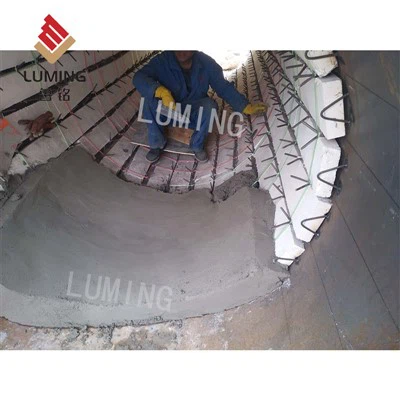
As a supplier of high alumina bricks, I've witnessed firsthand the transformative impact these refractory materials can have on hot blast stoves. Hot blast stoves are crucial components in the iron - making process, and the choice of refractory bricks can significantly influence their performance, efficiency, and longevity. In this blog, I'll delve into the numerous advantages of using high alumina bricks in hot blast stoves.
High Thermal Resistance
One of the most prominent advantages of high alumina bricks is their exceptional thermal resistance. Hot blast stoves operate at extremely high temperatures, often reaching up to 1200 - 1500°C. High alumina bricks, with their high alumina content (usually ranging from 48% to 90%), can withstand these intense heat conditions without significant deformation or degradation.
The high alumina content forms a stable crystal structure that can resist thermal shock and maintain its physical properties even under continuous high - temperature exposure. This means that the lining of the hot blast stove made of high alumina bricks can endure the cyclic heating and cooling processes that occur during normal operation. For example, during the heating phase, when the stove is being filled with hot air, the high alumina bricks can absorb and store the heat efficiently. Then, during the blowing phase, when the hot air is released into the blast furnace, the bricks can maintain their integrity and continue to function effectively.
Excellent Corrosion Resistance
Hot blast stoves are exposed to a variety of corrosive substances. These include sulfur compounds, alkaline substances, and various gases produced during the iron - making process. High alumina bricks have excellent corrosion resistance against these aggressive agents.
The chemical composition of high alumina bricks makes them less reactive with the corrosive substances. The alumina in the bricks forms a protective layer that prevents the penetration of corrosive agents into the brick structure. This is particularly important in the long - term operation of hot blast stoves. If the refractory lining is corroded, it can lead to structural damage, reduced insulation properties, and ultimately, a shorter lifespan of the stove.
For instance, in areas where the stove is in contact with sulfur - containing gases, high alumina bricks can resist the formation of sulfates that could otherwise cause spalling and deterioration of the brick. This corrosion resistance ensures that the hot blast stove can operate smoothly and efficiently over an extended period, reducing maintenance costs and downtime.
High Strength and Abrasion Resistance
Hot blast stoves are subject to mechanical stresses and abrasion. The flow of hot air, the movement of particles in the air, and the physical contact with other components in the stove can cause wear and tear on the refractory lining. High alumina bricks have high compressive strength and excellent abrasion resistance.
The high - strength nature of these bricks allows them to withstand the mechanical forces exerted during operation. They can resist the pressure from the hot air flow and the impact of any solid particles carried by the air. This strength ensures that the lining remains intact and does not crack or break under normal operating conditions.
Moreover, the abrasion resistance of high alumina bricks means that they can maintain their smooth surface even after prolonged exposure to abrasive materials. This is important for maintaining the proper flow of hot air within the stove. A smooth lining surface reduces the resistance to air flow, improving the overall efficiency of the hot blast stove.
Energy Efficiency
High alumina bricks contribute to the energy efficiency of hot blast stoves. Their high thermal insulation properties help to reduce heat loss from the stove. When the heat is retained within the stove, less energy is required to maintain the desired operating temperature.
During the heating phase, the high alumina bricks absorb and store a large amount of heat. This stored heat can then be effectively transferred to the air during the blowing phase. The efficient heat transfer and storage capabilities of high alumina bricks mean that the hot blast stove can achieve higher temperatures with less fuel consumption.


In addition, the low thermal conductivity of high alumina bricks reduces the heat transfer through the stove walls. This means that less heat is lost to the surrounding environment, further improving the energy efficiency of the system. As energy costs continue to rise, the use of high alumina bricks in hot blast stoves can result in significant cost savings for iron - making plants.
Diverse Product Options
As a high alumina brick supplier, I can offer a wide range of high alumina brick products to meet the specific needs of different hot blast stoves. For example, Sk40 Refractory Brick and Sk38 Refractory Brick are two popular options.
The Sk40 refractory brick has a relatively high alumina content, which provides excellent thermal resistance and corrosion resistance. It is suitable for use in the high - temperature areas of the hot blast stove, such as the combustion chamber and the upper part of the checkerwork. The Sk38 refractory brick, on the other hand, has slightly lower alumina content but still offers good performance in terms of strength and abrasion resistance. It can be used in areas where the temperature is relatively lower, such as the lower part of the checkerwork or the ductwork.
Our High Alumina Refractory Brick series also includes bricks with different shapes and sizes to fit various stove designs. This flexibility allows us to provide customized solutions for our customers, ensuring that their hot blast stoves can operate at optimal efficiency.
Long Service Life
The combination of high thermal resistance, corrosion resistance, strength, and abrasion resistance results in a long service life for high alumina bricks in hot blast stoves. A well - installed high alumina brick lining can last for many years, reducing the frequency of relining and associated costs.
The long service life of high alumina bricks also means less downtime for the hot blast stove. In the iron - making industry, downtime can be extremely costly, as it disrupts the production process and can lead to lost revenue. By using high alumina bricks, iron - making plants can minimize the need for frequent maintenance and repairs, and keep their production lines running smoothly.
Conclusion
In conclusion, the advantages of using high alumina bricks in hot blast stoves are numerous and significant. Their high thermal resistance, excellent corrosion resistance, high strength, abrasion resistance, energy efficiency, diverse product options, and long service life make them the ideal choice for refractory linings in hot blast stoves.
If you are in the iron - making industry and are looking for a reliable refractory solution for your hot blast stoves, I encourage you to consider our high alumina bricks. We have a team of experts who can provide you with professional advice and customized solutions based on your specific requirements. Contact us to start a discussion about your procurement needs and let us help you improve the performance and efficiency of your hot blast stoves.
References
- "Refractories for the Iron and Steel Industry" - A comprehensive handbook on refractory materials used in the iron and steel sector.
- "Thermal and Chemical Properties of High Alumina Refractories" - Research paper on the specific properties of high alumina bricks.
- Industry reports on the performance of different refractory materials in hot blast stoves.